Oral Liquids Packaging Materials Used in the Pharmaceutical Industry

Oral Liquids Packaging Materials in Pharmaceutical Industry

Oral liquid packaging materials are used to contain, protect, identify, dispense and transport pharmaceutical liquids such as syrups, solutions, suspensions, emulsions, elixirs and oral drops. A properly designed packaging system helps protect the medicine from contamination, leakage, light, oxygen, moisture and loss of volatile components throughout its shelf life.

The Indian Pharmacopoeia describes a pharmaceutical package as a container-closure system that generally includes a container, closure, dispensing system and label. It should provide adequate protection, minimise loss of ingredients and avoid harmful physical or chemical interaction with the product.

Oral liquid pharmaceutical packaging can be divided into three main categories:

  1. Primary packaging materials
  2. Secondary packaging materials
  3. Tertiary packaging materials

Primary Packaging Materials

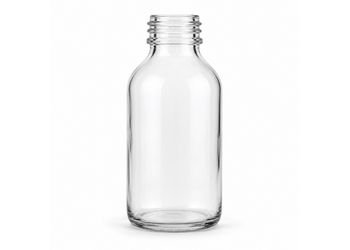
Oral Liquids Glass Bottle
Glass Bottle
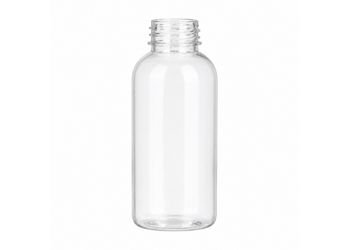
Oral Liquids PET Bottle
PET Bottle
HDPE Bottle
HDPE Bottle
Oral Liquids Amber Glass Bottle
Amber Glass Bottle
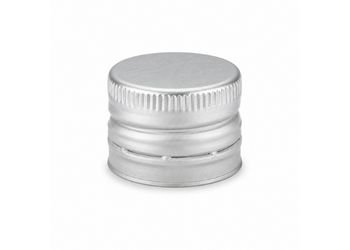
Oral Liquids ROPP Cap
ROPP Cap
PP Screw Cap
PP Screw Cap
HDPE Cap
HDPE Cap
Oral Liquids Child-Resistant Cap
Child-Resistant Cap
Tamper-Evident Cap
Tamper-Evident Cap
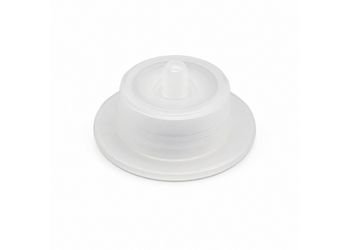
Inner Plug
Inner Plug
Dropper Plug
Dropper Plug
Orifice Reducer
Orifice Reducer
Cap Liner Wad
Cap Liner Wad
Induction Sealing Wad
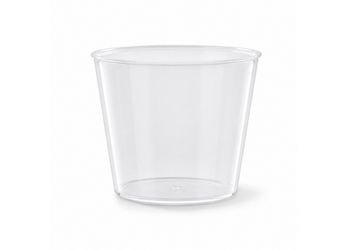
Measuring Cup
Measuring Cup
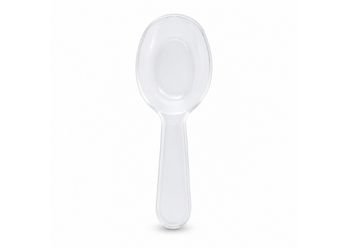
Measuring Spoon
Measuring Spoon
Dosing Syringe
Dosing Syringe
Dropper Assembly
Dropper Assembly
Rubber Bulb Dropper
Rubber Bulb Dropper
Bottle Adapter
Bottle Adapter

Secondary Packaging Materials

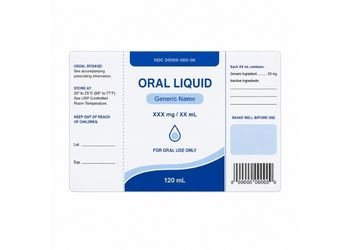
Printed Label
Printed Label
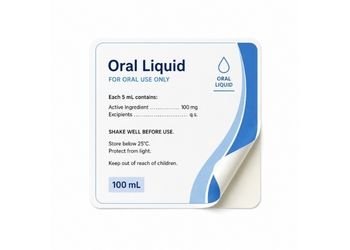
Sticker Label
Sticker Label
mono carton
mono carton
Printed Carton
Printed Carton
Leaflet Package Insert
Patient Information Leaflet
Shrink Sleeve
Shrink Sleeve
Neck Band
Neck Band
Tamper-Evident Seal
Tamper-Evident Seal
BOPP Tape
BOPP Tape
Transparent Tape
Transparent Tape
Thermal Transfer Ribbon
Batch Coding Ink
Batch Coding Ink

Tertiary Packaging Material

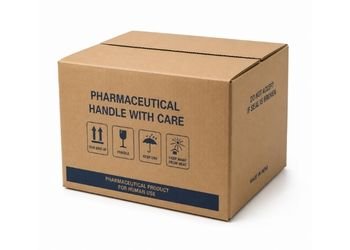
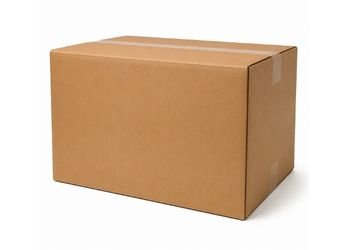
Corrugated Box
Corrugated Box
Shipper Carton
Shipper Carton
Outer Carton
Outer Carton
Partition Divider
Partition Divider
Bottle Separator
Bottle Separator
pallet cover
pallet cover
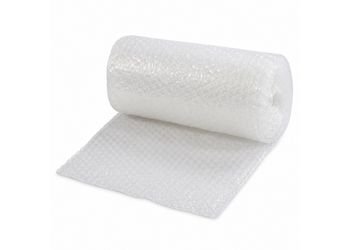
Bubble Sheet
Bubble Sheet
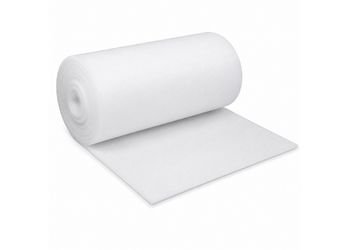
Foam Sheet
Foam Sheet
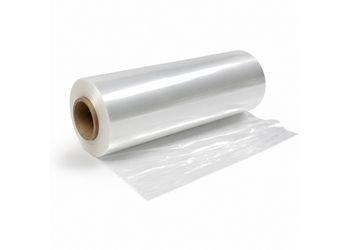
Shrink Film
Shrink Film
Stretch Film
Stretch Film
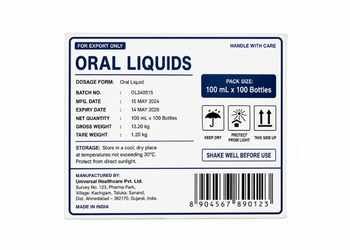
outer label
outer label
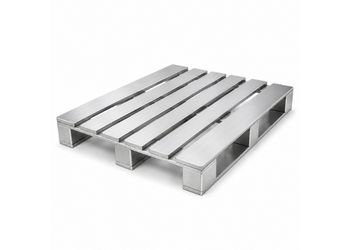
pallet
pallet
plastic pallet
plastic pallet
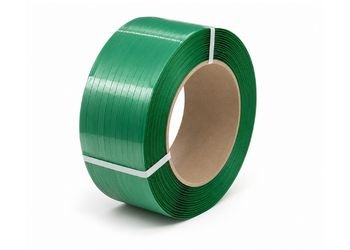
Strapping Roll
Strapping Roll
Edge Protector
Edge Protector

Oral Liquids Packaging Materials

What are the primary packaging materials for oral liquids?

Primary packaging materials include glass, amber glass, PET and HDPE bottles, caps, inner plugs, orifice reducers, cap liners, induction sealing wads, droppers, measuring cups and bottle adapters.

Which bottle is commonly used for pharmaceutical syrup?

Glass, PET and HDPE bottles are commonly used. Selection depends on formulation compatibility, light protection, barrier requirements, transportation risk and stability data.

Why is an amber bottle used for oral liquid medicine?

An amber bottle is used when the formulation requires protection from light. The required level of protection should be confirmed through product stability studies.

What is the difference between primary and secondary packaging?

Primary packaging contacts or may contact the medicine. Secondary packaging surrounds the primary pack and generally includes labels, cartons, inserts and shrink sleeves.

What is the role of an induction sealing wad?

It seals the bottle opening, provides tamper evidence and helps protect the product against leakage and contamination.

Which dosing devices are used with oral liquids?

Common dosing devices include measuring cups, measuring spoons, oral dosing syringes, dropper assemblies and bottle adapters.

What tests are performed on oral liquid bottles?

Typical tests include material identification, visual inspection, dimensions, leakage, closure torque, seal integrity, compatibility, extractables and leachable, transport evaluation and stability testing.