What packaging materials are commonly used for ointments?
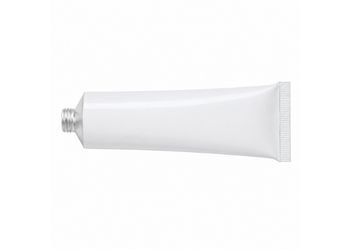
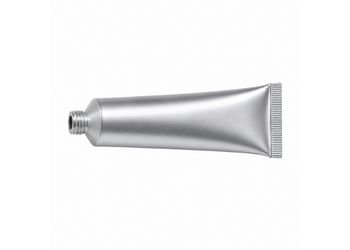
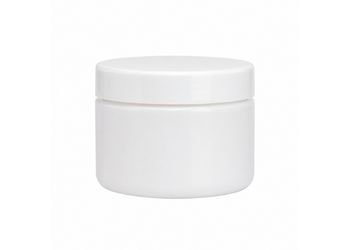
Ointments are commonly packed in aluminium collapsible tubes, internally lacquered aluminium tubes, laminated tubes, HDPE tubes, co-extruded tubes, HDPE jars, PP jars and glass jars.
Why are aluminium tubes used for pharmaceutical ointments?
Aluminium tubes provide strong barrier protection and collapse as the product is dispensed. An internal lacquer may be added to reduce interaction between the formulation and metal.
What is the difference between a lami tube and a plastic tube?
A lami tube contains multiple bonded layers that may provide improved barrier properties. A conventional plastic tube may contain a single polymer layer, while a co-extruded plastic tube contains multiple polymer layers.
Are jars suitable for pharmaceutical ointments?
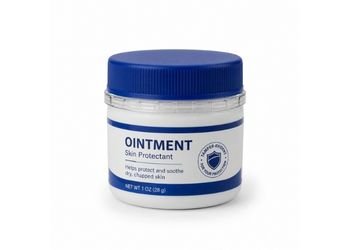
Jars are suitable for many ointments, creams and balms, particularly in larger pack sizes. However, repeated opening and direct product removal should be considered during contamination-risk assessment.
Which packaging is used for ophthalmic ointments?
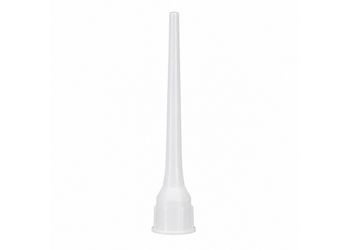
Ophthalmic ointments are generally packed in suitable sterile tubes with a narrow ophthalmic nozzle. The tube material, internal coating, seal integrity, particulate control and product compatibility require careful evaluation.
What is primary packaging for an ointment?
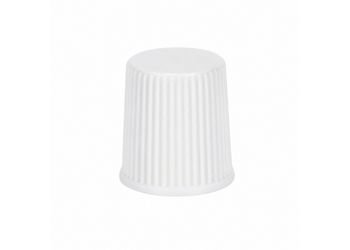
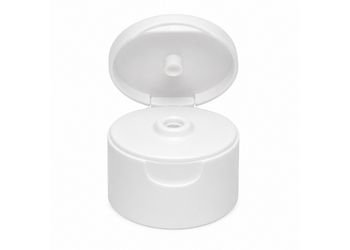
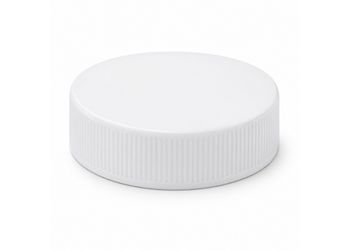
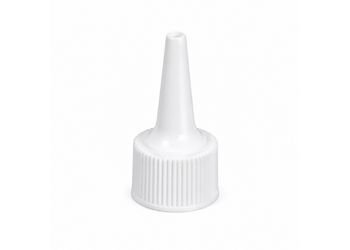
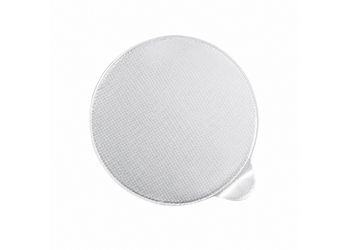
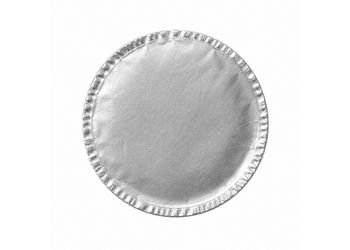
Primary packaging includes components that directly contain or contact the ointment, such as the tube, jar, cap, nozzle, liner, membrane seal and applicator.
What tests are performed on ointment tubes?
Common evaluations include dimensional checks, leakage testing, seal-integrity testing, crimp inspection, burst testing, lacquer-continuity testing, compatibility studies and stability testing in the proposed market pack.
How is an ointment packaging material selected?
Selection is based on formulation compatibility, barrier requirement, route of application, pack size, closure integrity, dispensing performance, tamper evidence, stability and patient convenience.