What are ampoule packaging materials?
Ampoule packaging materials are the containers, trays, labels, cartons, protective inserts, shipping boxes and transport accessories used to contain and protect pharmaceutical ampoules. They are normally classified as primary, secondary and tertiary packaging materials.
What is the primary packaging material for ampoules?
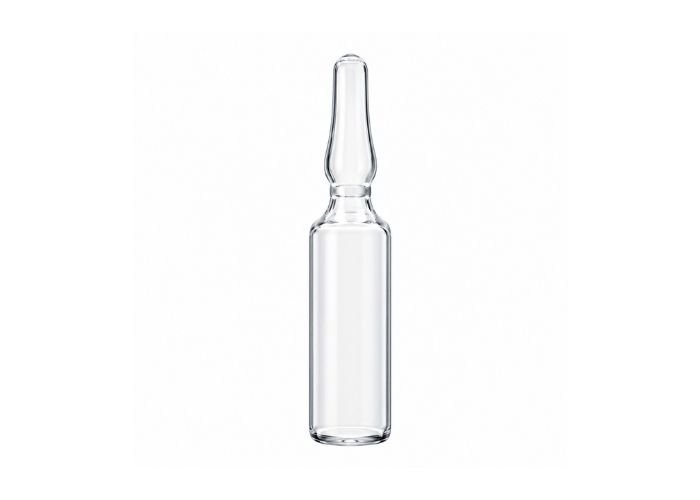
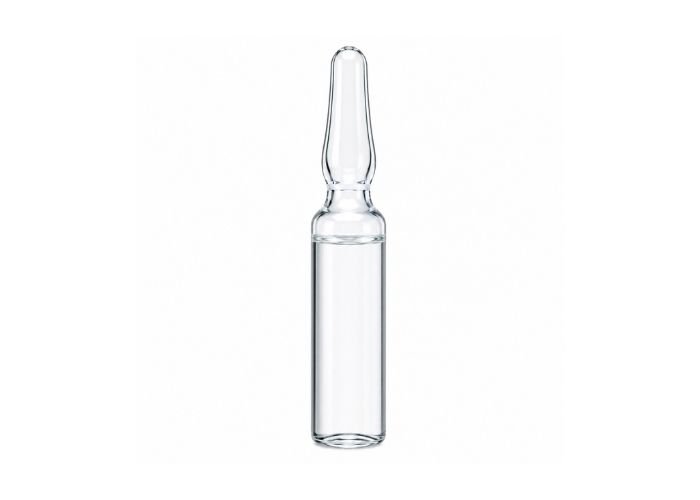
The glass ampoule is the primary packaging material because it directly contains the pharmaceutical formulation. Type I borosilicate glass is commonly selected for injectable ampoules because of its chemical and thermal resistance.
Which type of glass is used for pharmaceutical ampoules?
Type I borosilicate glass is commonly used for pharmaceutical injectable ampoules. The final glass selection must be supported by product compatibility, sterilization requirements, hydrolytic resistance and stability studies.
What is the difference between clear and amber glass ampoules?
Clear glass ampoules allow easy visual inspection of the product. Amber glass ampoules reduce the transmission of certain wavelengths of light and may be selected for light-sensitive pharmaceutical formulations.
What is an OPC ampoule?
An OPC or one-point-cut ampoule has a predefined breaking point identified by a coloured dot. The point helps guide the user regarding the direction and location at which the ampoule neck should be broken.
What is a colour break ring ampoule?
A colour break ring ampoule contains a ring around the neck. The ring identifies the weakened breaking area and supports controlled opening of the ampoule.
Why are glass ampoules packed in trays?
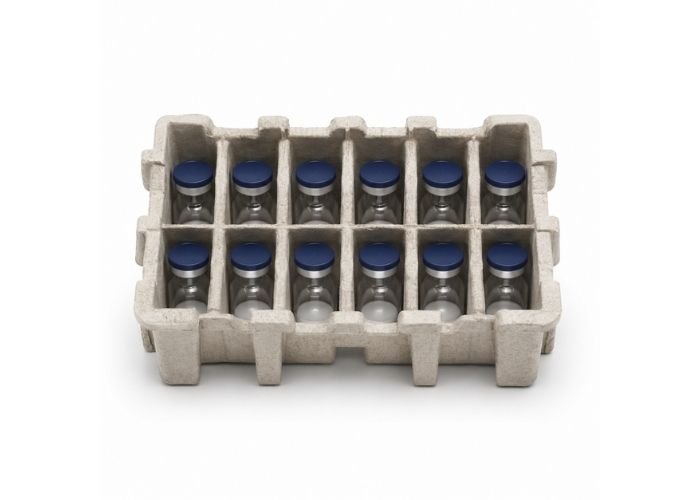
Ampoule trays keep individual ampoules separated and reduce movement within the carton. They help protect the ampoules from collision, vibration, scratches and breakage during storage, handling and transportation.
What are the secondary packaging materials for ampoules?
Common secondary packaging materials include printed labels, sticker labels, ampoule trays, partitions, protective inserts, mono cartons, printed cartons, package inserts, tamper-evident labels, coding ink and barcode labels.
What are the tertiary packaging materials for ampoules?
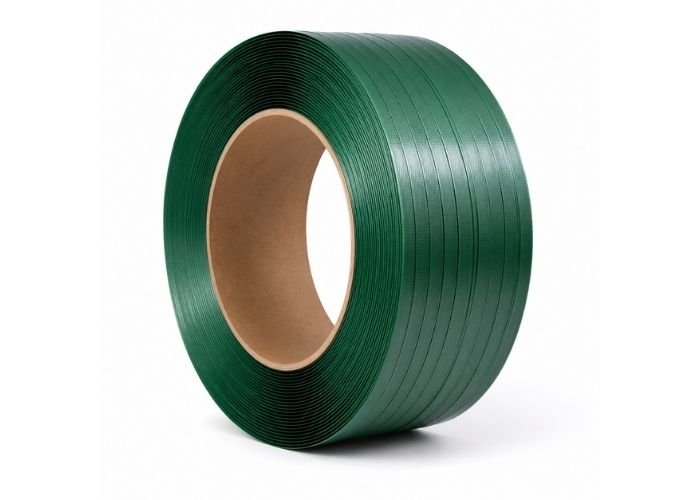
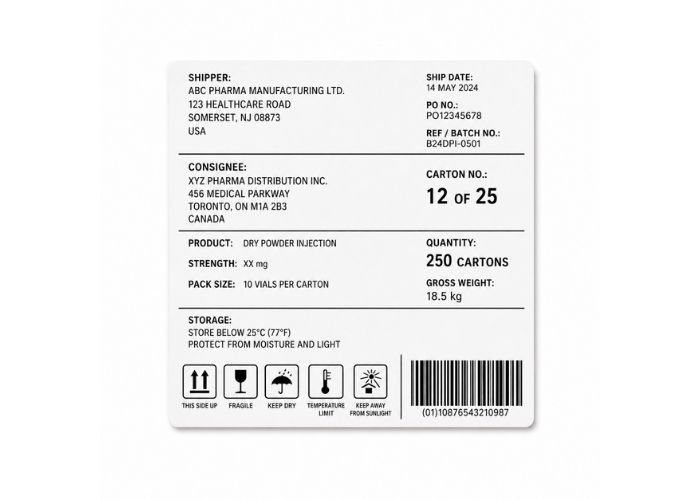
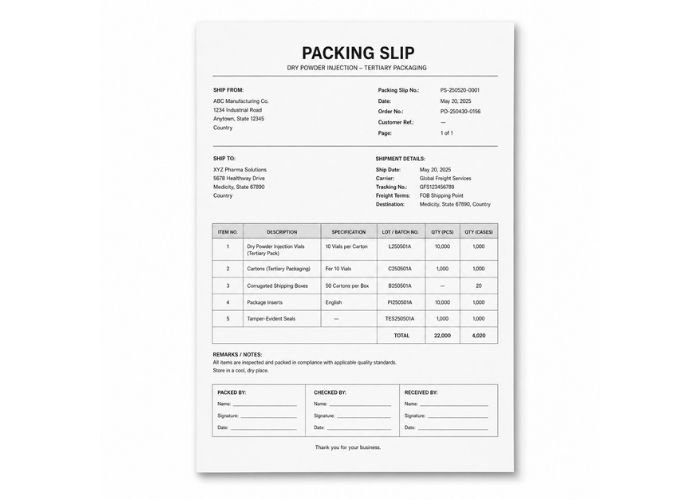
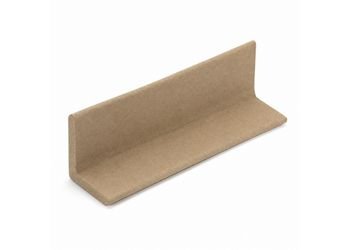
Tertiary packaging materials include corrugated boxes, shipper cartons, master cartons, grid separators, bubble sheets, foam sheets, stretch film, pallets, strapping rolls, edge protectors, shipping labels and pallet covers.
Do ampoules require a rubber stopper or aluminium cap?
Traditional glass ampoules do not require rubber stoppers or aluminium caps. They are hermetically sealed by melting and closing the glass stem after filling. Rubber stoppers and aluminium seals are normally associated with pharmaceutical vials.
What is the difference between ampoule and vial packaging?
An ampoule is generally a sealed single-dose glass container that must be broken to access the medicine. A vial normally has an opening closed with a rubber stopper and aluminium or plastic seal, allowing the product to be accessed by piercing the stopper.
What information is printed on an ampoule label?
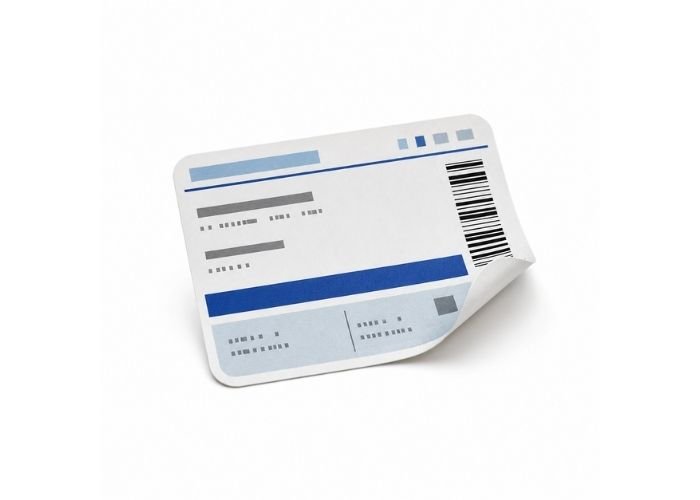
Depending on the market and available label space, the label may include the product name, strength, dosage form, fill volume, route of administration, batch number, manufacturing date, expiry date, storage condition, manufacturer details and machine-readable code.
Why are partitions important in ampoule cartons?
Partitions prevent direct glass-to-glass contact between ampoules. They also help maintain the ampoules in an upright or controlled position and reduce the risk of breakage caused by vibration or impact.
Which packaging is used for light-sensitive ampoules?
Light-sensitive products may use amber glass ampoules, light-resistant labels, printed cartons, overwraps or other protective secondary packaging. The final packaging system should be established through product development and stability studies.
How are ampoules protected during transportation?
Ampoules are commonly protected using trays, grid separators, corrugated partitions, foam inserts, bubble sheets, strong shipper cartons, stretch-wrapped pallets and fragile-handling labels. The packaging system should be capable of tolerating expected vibration, compression and impact risks.
What packaging is required for temperature-sensitive ampoules?
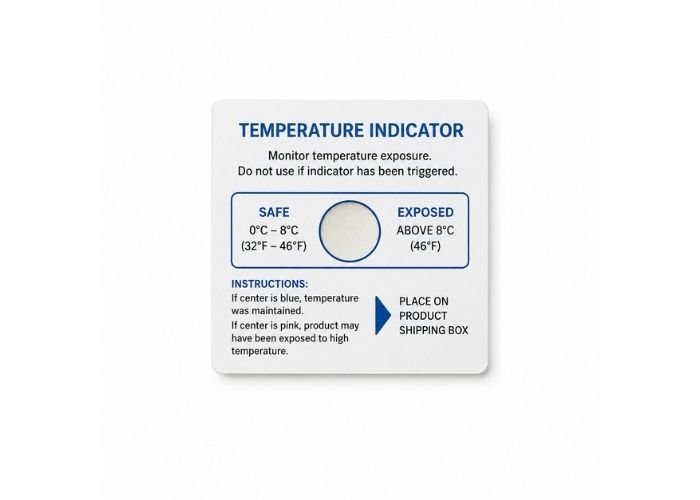
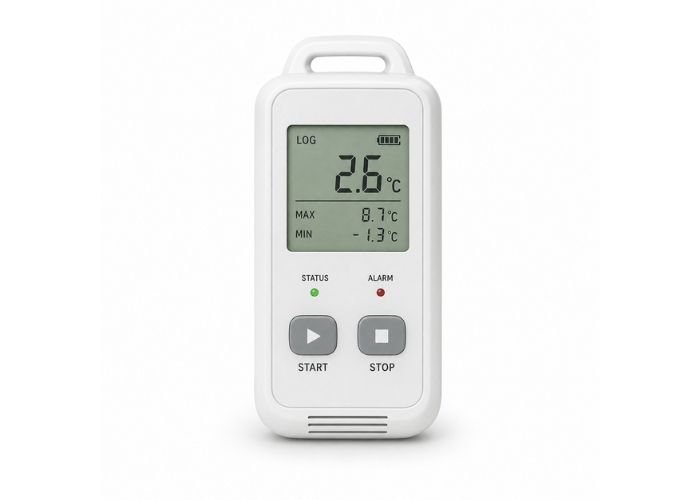
Temperature-sensitive ampoules may require an insulated shipper, gel packs or phase-change materials, thermal liners, temperature indicators and electronic data loggers. The selected system should maintain the approved product temperature range throughout distribution.
Are barcode labels used on ampoule packaging?
Yes. Barcodes or two-dimensional Data Matrix codes may be applied to the ampoule label, unit carton, shipper carton or pallet label according to market, traceability and serialization requirements.
Is a package insert required with ampoule packaging?
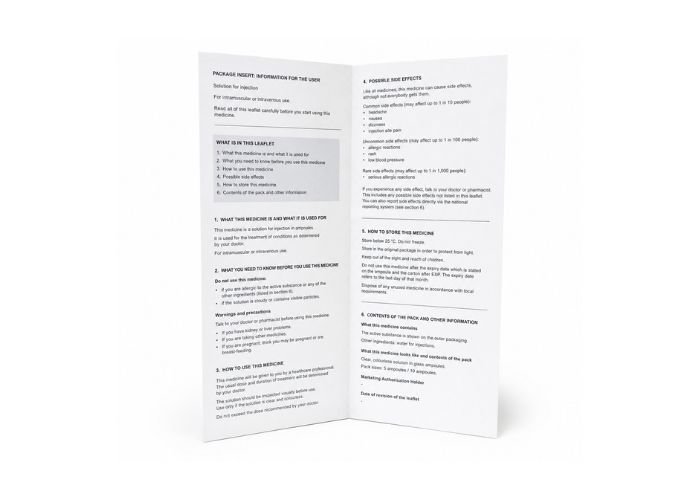
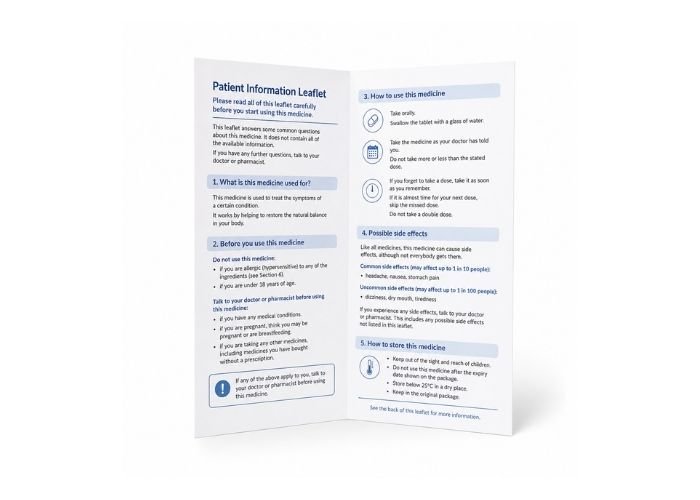
A package insert may be included to provide information about composition, indication, dosage, administration, warnings, contraindications, adverse effects, storage conditions and manufacturer details. The requirement depends on the product and applicable regulations.
How should ampoule packaging materials be selected?
Selection should consider product compatibility, glass quality, light sensitivity, sterilization conditions, fill volume, opening force, label adhesion, carton strength, transport risk, storage temperature, regulatory requirements and stability-study results.
Can all ampoules use the same packaging system?
No. The packaging system may vary according to ampoule size, product characteristics, pack quantity, light sensitivity, storage condition, market requirements and transportation route. Packaging must be evaluated for the specific finished product.