What is the primary packaging of a dry powder injection?
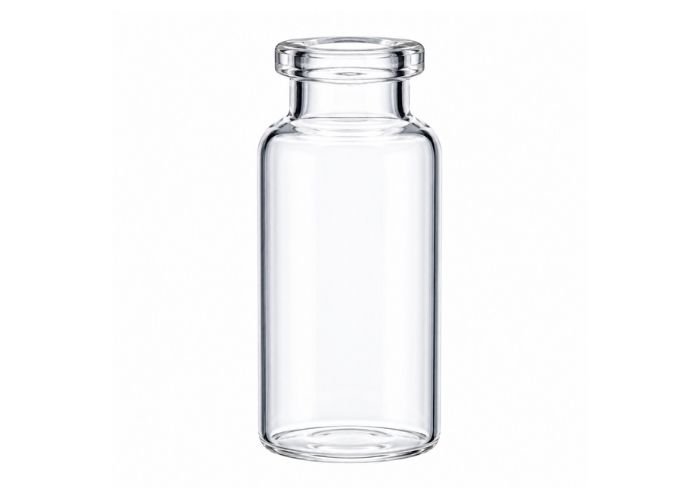
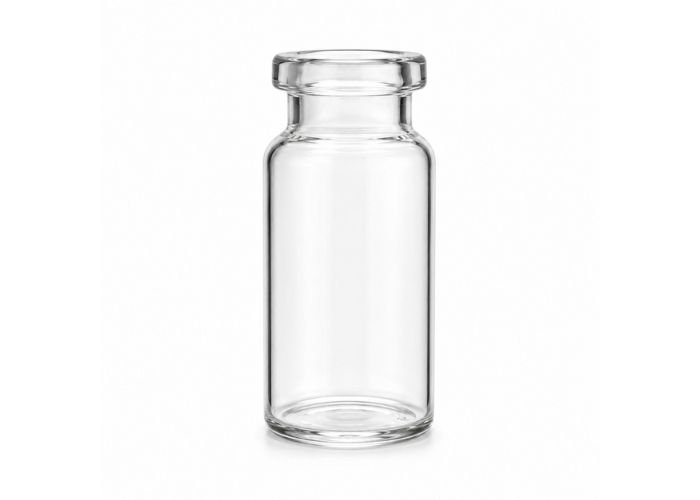
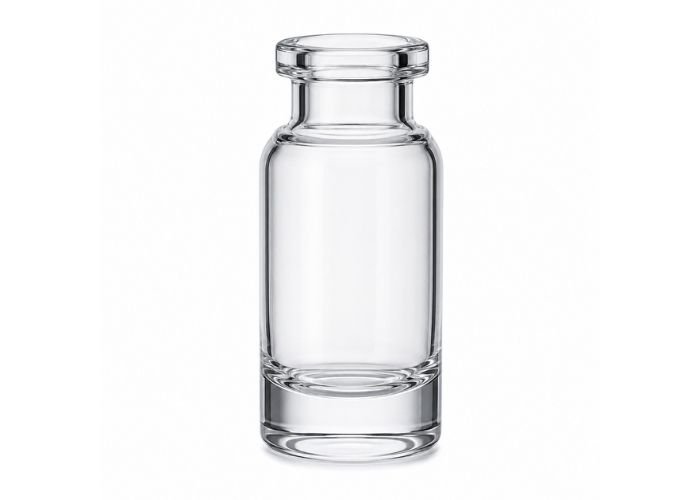
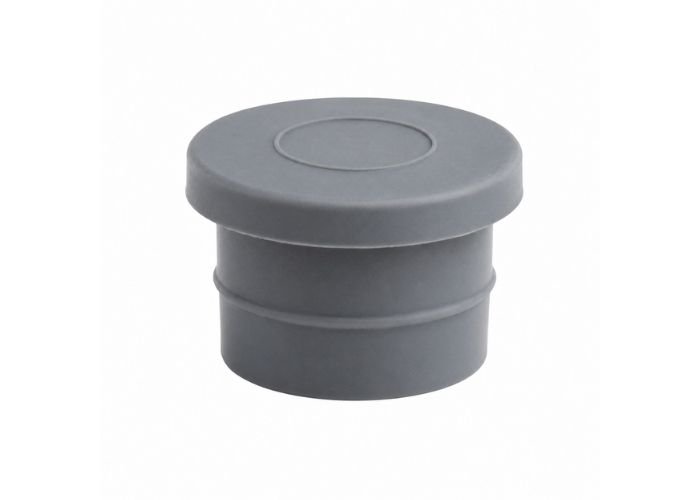
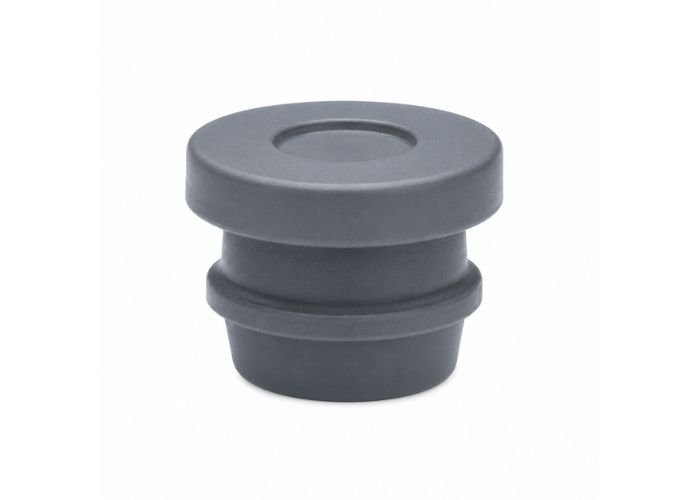
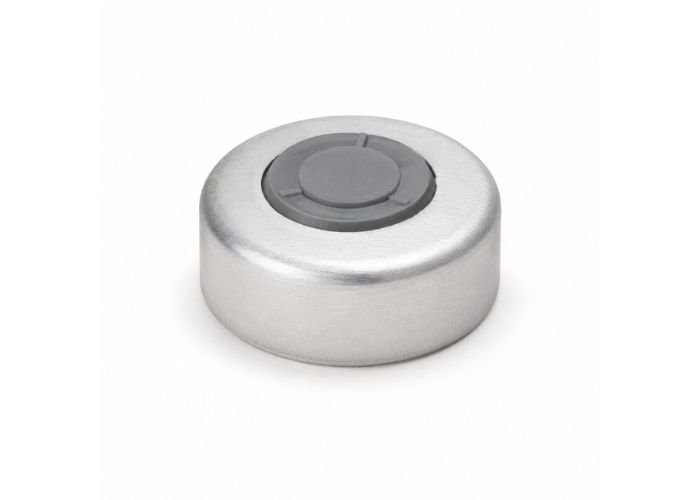
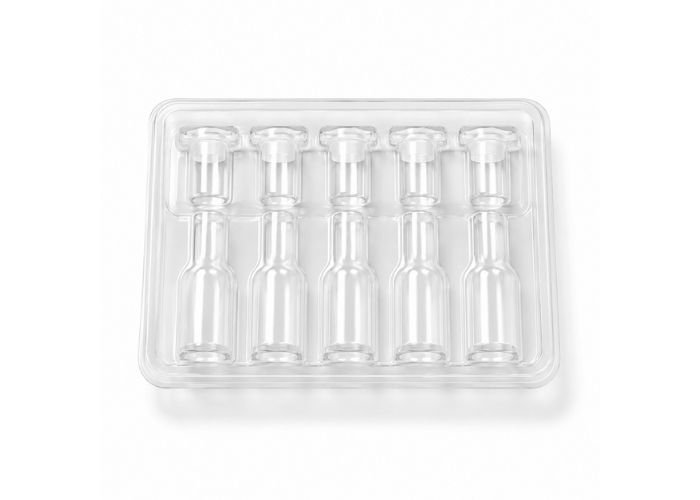
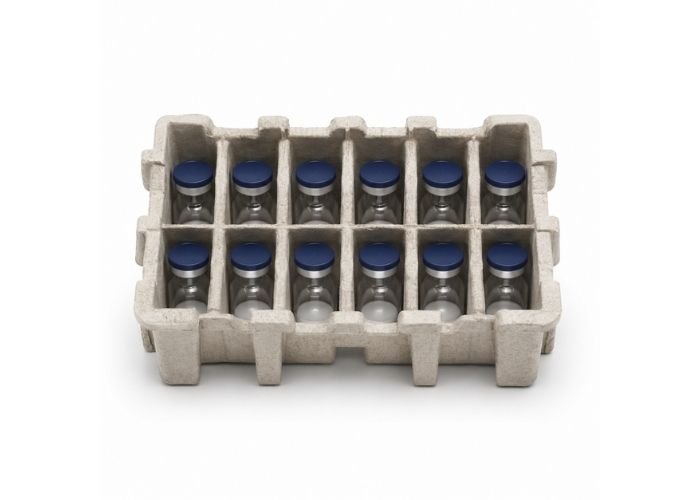
The primary packaging normally consists of a glass vial, rubber stopper and aluminium crimp or flip-off seal. These components collectively contain the sterile powder and maintain container-closure integrity.
Which glass vial is used for dry powder injection?
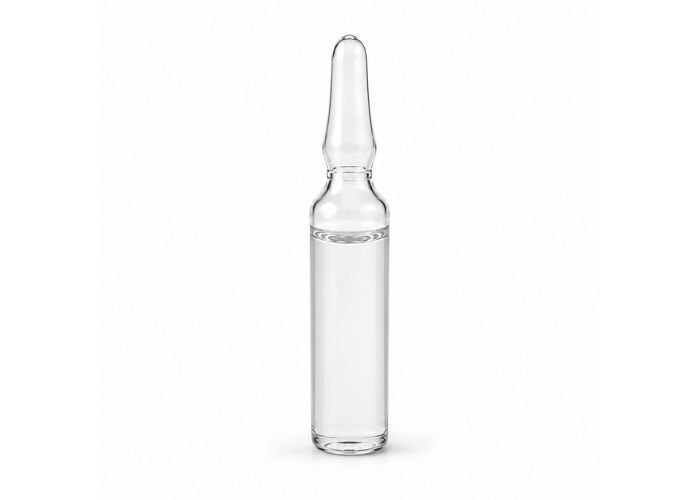
Type I borosilicate glass is commonly preferred. Type III glass may be suitable for certain powders for parenteral use when supported by product-specific compatibility and stability studies.
Which rubber stopper is used for dry powder injection?
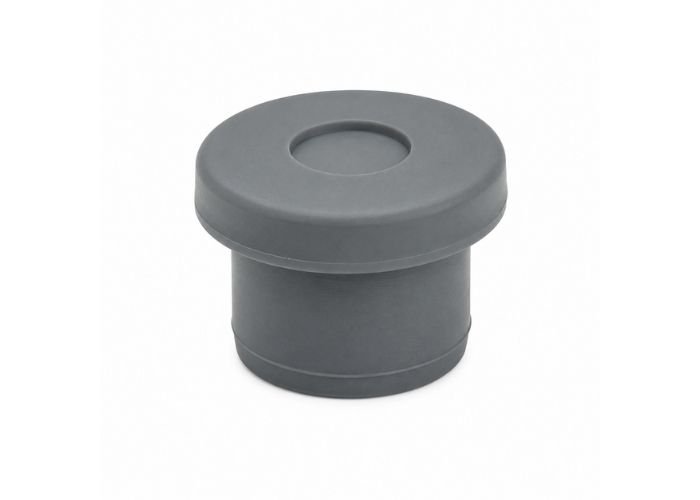
Bromobutyl and chlorobutyl rubber stoppers are commonly used. The final selection depends on formulation compatibility, penetrability, fragmentation, sealing performance, sterilization and extractables and leachables.
Why is an aluminium seal used on an injection vial?
The aluminium seal holds the rubber stopper firmly against the vial finish and supports the integrity of the complete container-closure system.
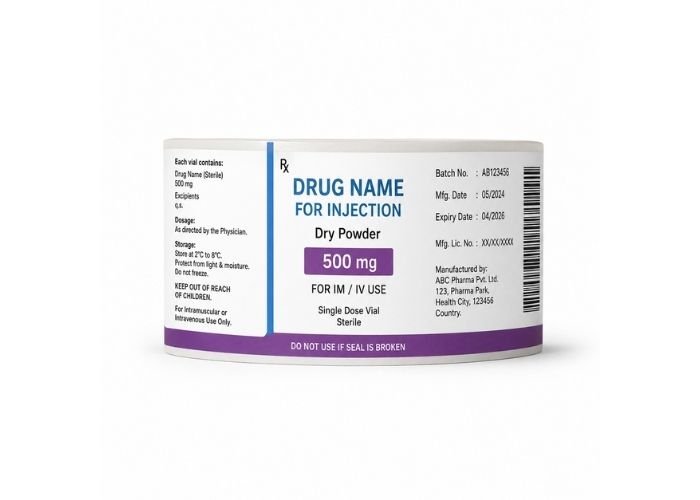
Is a vial label a primary packaging material?
The vial label does not normally contact the drug product. It is generally managed as a printed secondary packaging component, although it forms part of the overall marketed package.
What is container-closure integrity testing?
Container-closure integrity testing evaluates whether the sealed vial system can prevent the entry of microorganisms, moisture, gases and other contaminants throughout its shelf life.
What is the difference between primary and secondary injection packaging?
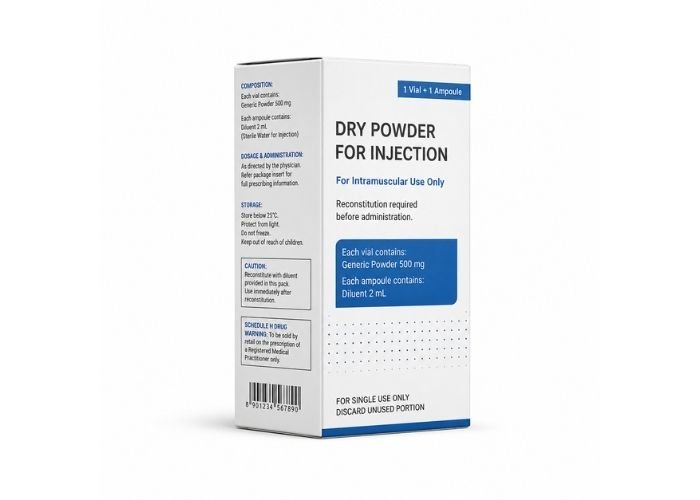
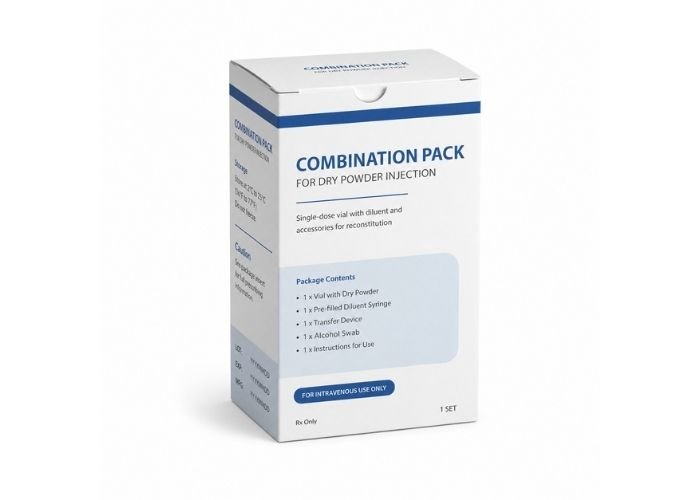
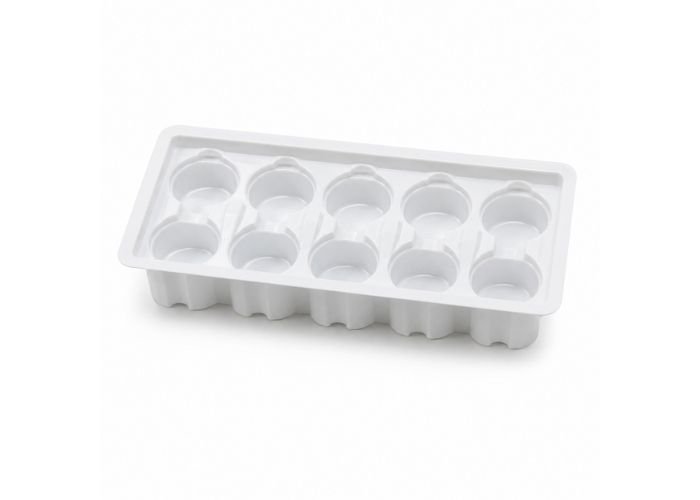
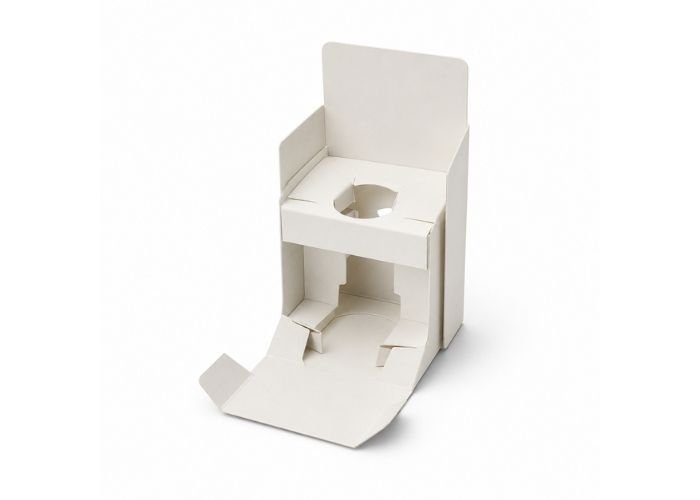
Primary packaging directly contacts the product or contributes to closure integrity. Secondary packaging surrounds the primary pack and provides identification, protection and product information.