Ointment Packaging Materials

packaging materials for ointments in Pharmaceutical Industry

Tablet packaging materials play an important role in protecting tablets from moisture, light, oxygen, contamination, breakage and mix-up during storage, transportation and use. In the pharmaceutical industry, packaging is not only for presentation; it is also directly connected with product quality, stability, safety and regulatory compliance.
Tablet packaging materials are mainly divided into three categories:

Ointment packaging materials play an important role in protecting pharmaceutical ointments from contamination, leakage, moisture, light, oxygen and physical damage. The packaging system must also support convenient dispensing, accurate application, product identification and safe transportation.
Pharmaceutical ointments are semisolid dosage forms that may contain oily bases, aqueous phases, active pharmaceutical ingredients, preservatives and other excipients. Therefore, the selected container and closure system must be compatible with the formulation throughout its proposed shelf life.

Common ointment packaging materials include aluminium collapsible tubes, laminated tubes, plastic tubes, HDPE jars, PP jars, glass jars, caps, nozzles, membrane seals, cartons and shipping boxes.

Primary Packaging Materials
Secondary Packaging Materials
Tertiary Packaging Materials

Primary Packaging Materials

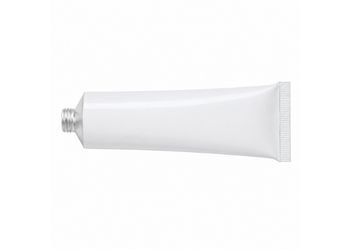
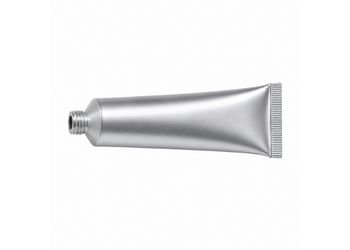
Aluminium Collapsible Tube
Laminated Tube Lami Tube
HDPE Tube Plastic Tube
Co-extruded Plastic Tube
Aluminium Tube with Internal Lacque
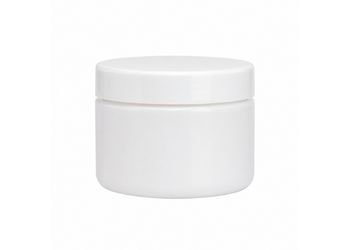
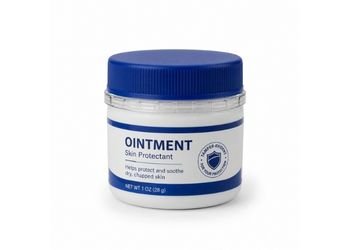
HDPE Jar
HDPE Jar
PP Jar
PP Jar
Glass Jar
Glass Jar
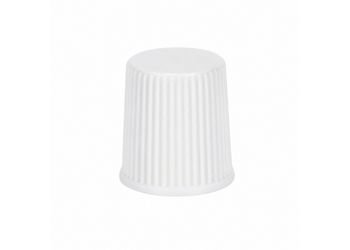
Tube Screw Cap
Tube Screw Cap
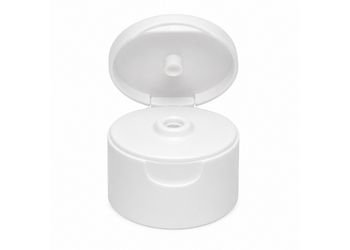
Flip-Top Cap
Flip-Top Cap
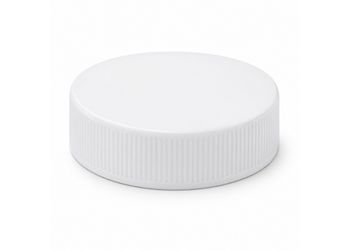
Jar Cap Lid
Jar Cap Lid
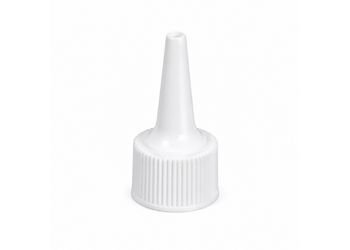
Applicator Nozzle
Applicator Nozzle
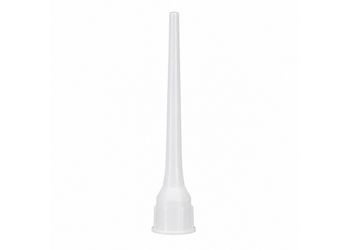
Extended Nozzle
Extended Nozzle
Ophthalmic Nozzle
Ophthalmic Nozzle
Inner Plug
Inner Plug
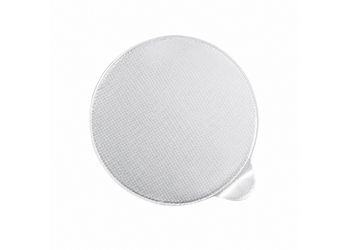
Membrane Seal
Membrane Seal
Cap Liner Wad
Cap Liner Wad
Induction Sealing Wad
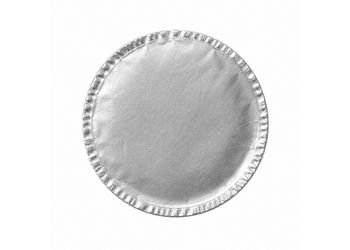
Aluminium Foil Seal
Aluminium Foil Seal
Plastic Spatula Applicator

Secondary Packaging Materials

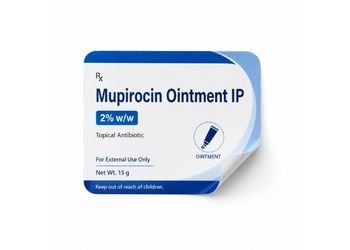
Printed Label
Printed Label
Sticker Label
Sticker Label
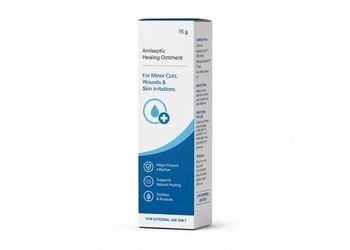
Mono Carton
Mono Carton
Printed Carton
Printed Carton
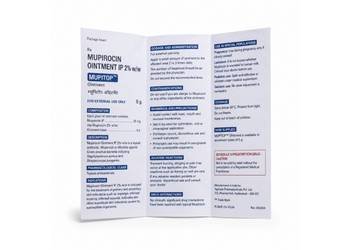
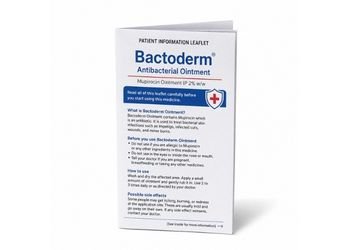
Leaflet Package Insert
Patient Information Leaflet
Shrink Sleeve
Shrink Sleeve
Tamper-Evident Neck Band
BOPP Tape
BOPP Tape
Transparent Tape
Transparent Tape
Batch Coding Ink
Batch Coding Ink
Thermal Transfer Ribbon
Barcode Label
Barcode Label
Hologram Security Label

Tertiary Packaging Material

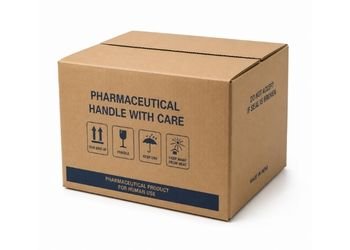
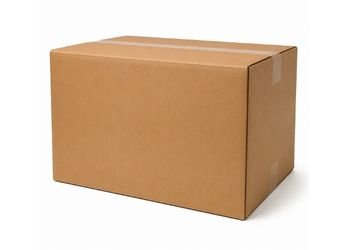
Corrugated Box
Corrugated Box
Shipper Carton
Shipper Carton
Outer Carton
Outer Carton
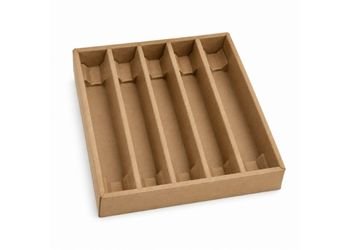
Partition Divider
Partition Divider
Tube Separator
Tube Separator
pallet cover
pallet cover
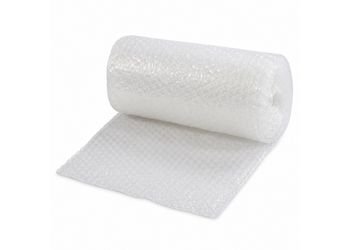
Bubble Sheet
Bubble Sheet
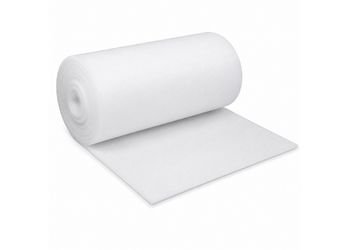
Foam Sheet
Foam Sheet
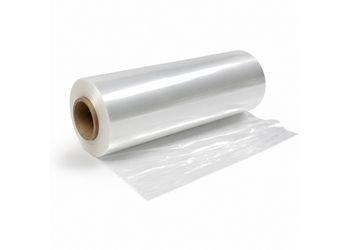
Shrink Film
Shrink Film
Stretch Film
Stretch Film
Outer Box Label
Outer Box Label
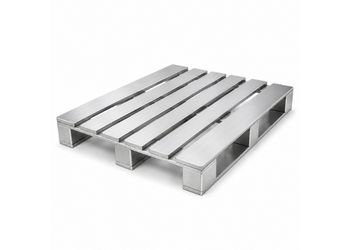
pallet
pallet
plastic pallet
plastic pallet
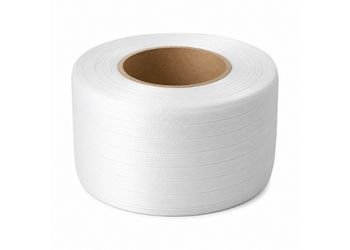
Strapping Roll
Strapping Roll
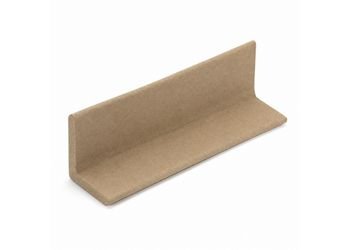
Edge Protector
Edge Protector
Corner Protector
Corner Protector
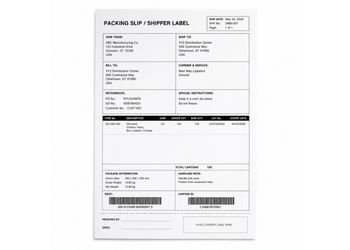
Packing Slip Shipper Label

FAQ: Ointments Packaging Materials

What packaging materials are commonly used for ointments?

Ointments are commonly packed in aluminium collapsible tubes, internally lacquered aluminium tubes, laminated tubes, HDPE tubes, co-extruded tubes, HDPE jars, PP jars and glass jars.

Why are aluminium tubes used for pharmaceutical ointments?

Aluminium tubes provide strong barrier protection and collapse as the product is dispensed. An internal lacquer may be added to reduce interaction between the formulation and metal.

What is the difference between a lami tube and a plastic tube?

A lami tube contains multiple bonded layers that may provide improved barrier properties. A conventional plastic tube may contain a single polymer layer, while a co-extruded plastic tube contains multiple polymer layers.

Are jars suitable for pharmaceutical ointments?

Jars are suitable for many ointments, creams and balms, particularly in larger pack sizes. However, repeated opening and direct product removal should be considered during contamination-risk assessment.

Which packaging is used for ophthalmic ointments?

Ophthalmic ointments are generally packed in suitable sterile tubes with a narrow ophthalmic nozzle. The tube material, internal coating, seal integrity, particulate control and product compatibility require careful evaluation.

What is primary packaging for an ointment?

Primary packaging includes components that directly contain or contact the ointment, such as the tube, jar, cap, nozzle, liner, membrane seal and applicator.

What tests are performed on ointment tubes?

Common evaluations include dimensional checks, leakage testing, seal-integrity testing, crimp inspection, burst testing, lacquer-continuity testing, compatibility studies and stability testing in the proposed market pack.

How is an ointment packaging material selected?

Selection is based on formulation compatibility, barrier requirement, route of application, pack size, closure integrity, dispensing performance, tamper evidence, stability and patient convenience.