Ophthalmic packaging material

Ophthalmic packaging material in Pharmaceutical Industry

Ophthalmic packaging material plays a very important role in the safety, sterility, stability and patient usability of eye care products. Ophthalmic products such as eye drops, eye ointments, eye gels, sterile solutions and single-dose preparations are directly used in or near the eyes, so their packaging must protect the product from contamination, leakage, light, moisture and microbial growth.

In the pharmaceutical industry, ophthalmic packaging is selected carefully as per product nature, dosage form, compatibility, sterility requirement, preservative system and regulatory expectations. The packaging material must be clean, safe, non-reactive, user-friendly and suitable for sterile product handling.

What is Ophthalmic Packaging Material?

Ophthalmic packaging material refers to all packaging components used for packing ophthalmic pharmaceutical products. These materials may come in direct contact with the product or support its protection during storage, transportation and distribution.

Ophthalmic packaging is mainly classified into three categories:

  1. Primary Packaging Material
  2. Secondary Packaging Material
  3. Tertiary Packaging Material

Primary Packaging Materials

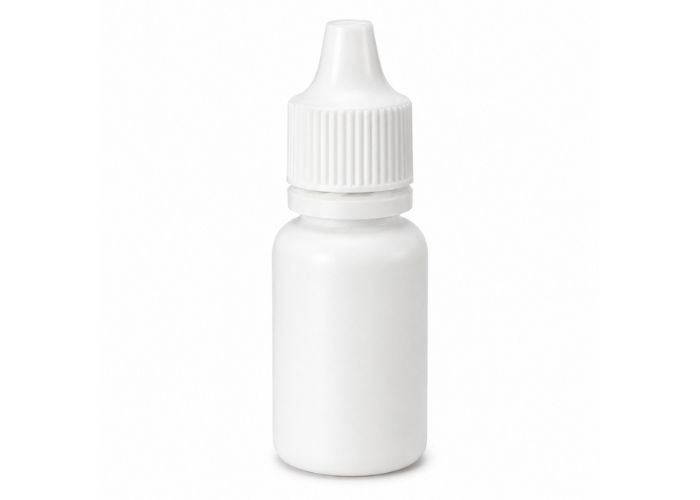
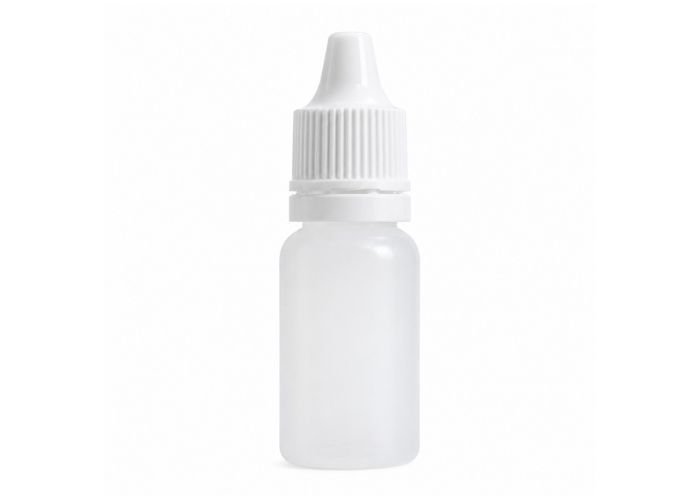
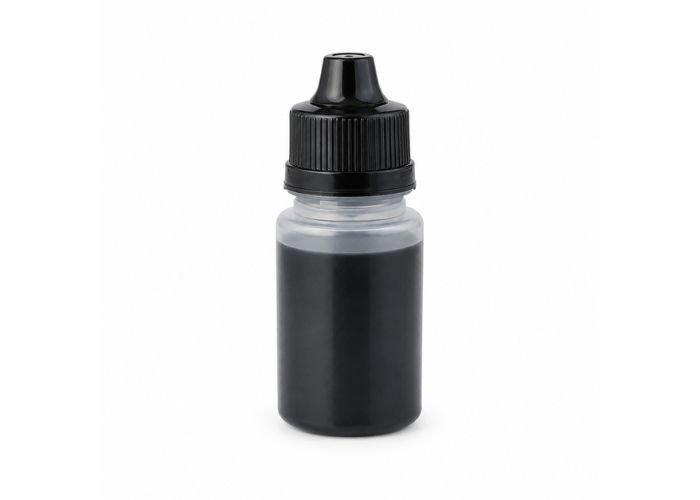
LDPE Eye Drop Bottle
HDPE Eye Drop Bottle
PET Eye Drop Bottle
PET Eye Drop Bottle
Sterile Plastic Dropper Bottle
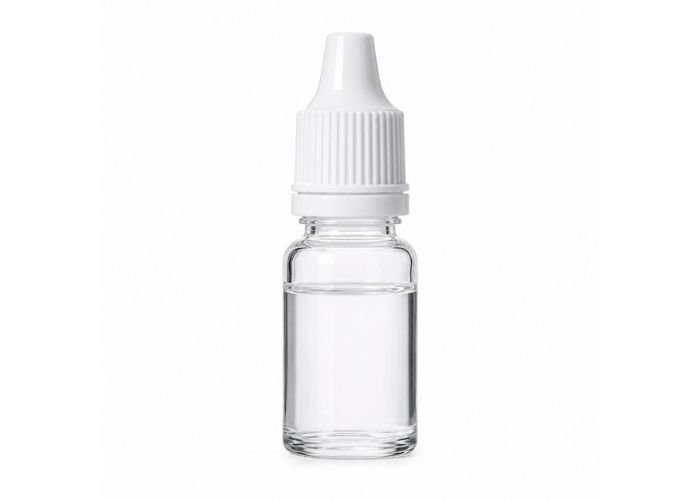
Glass Eye Drop Bottle
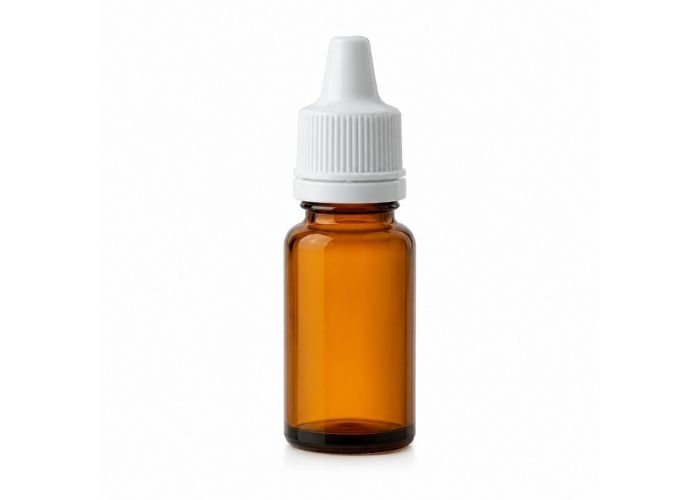
Amber Glass Bottle
Amber Glass Bottle
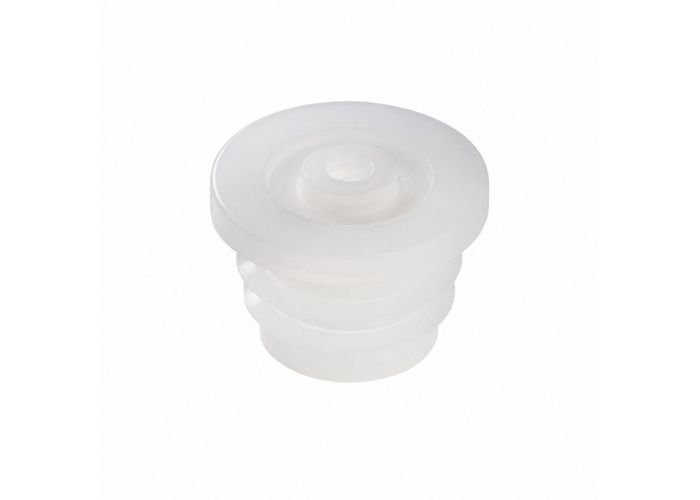
Dropper Plug
Dropper Plug
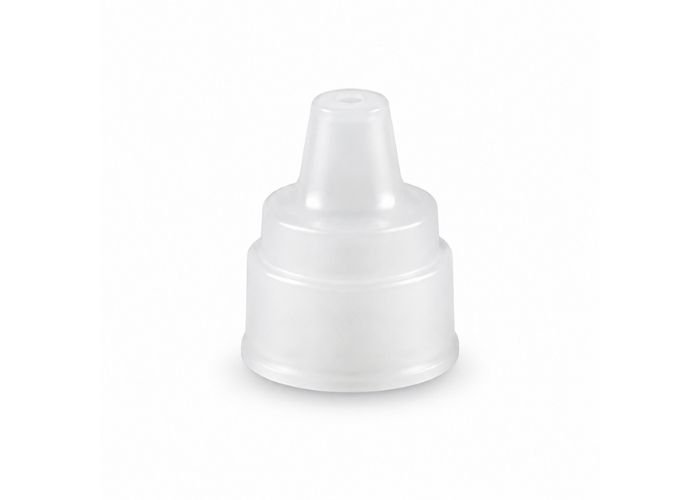
Orifice Reducer
Orifice Reducer
Screw Cap
Screw Cap
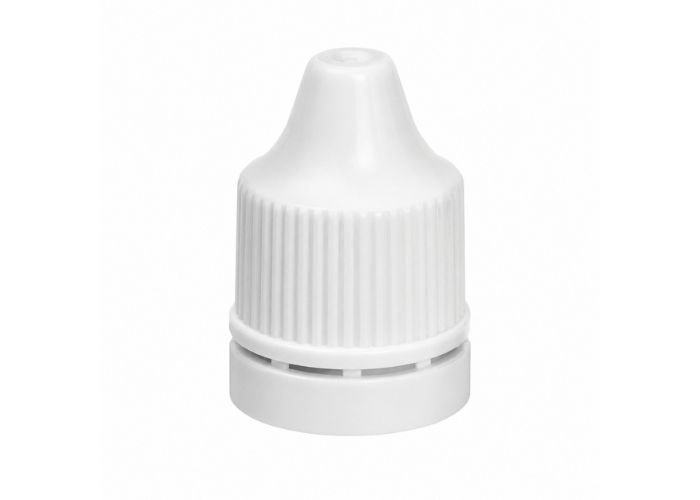
Tamper Evident Cap
Tamper Evident Cap
Child Resistant Cap
Child Resistant Cap
Rubber Bulb Dropper
Rubber Bulb Dropper
Glass Dropper Pipette
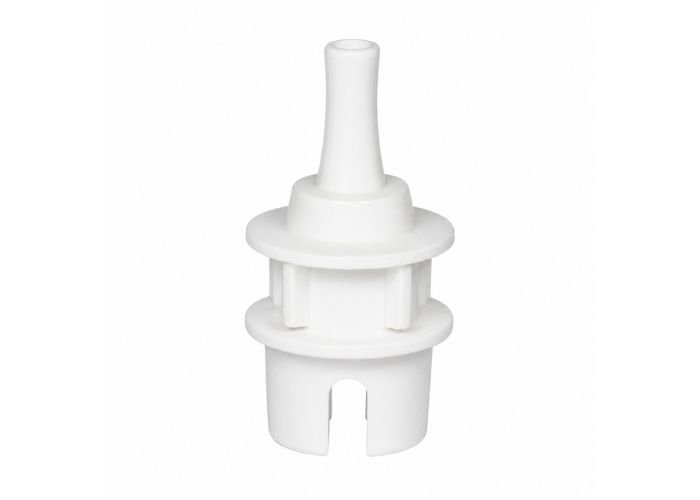
Bottle Adapter
Bottle Adapter
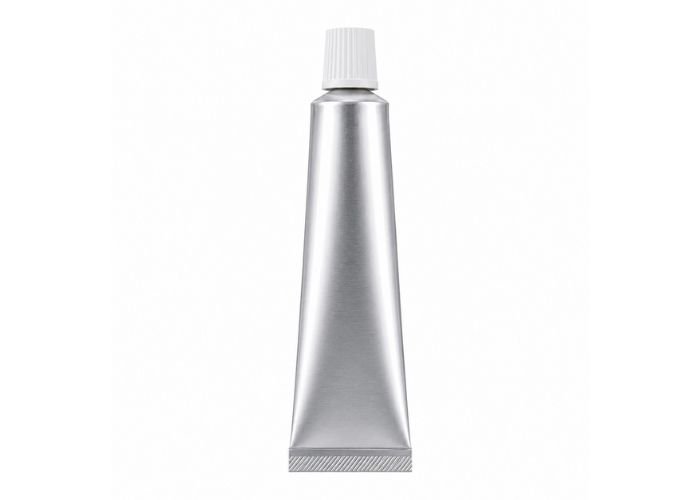
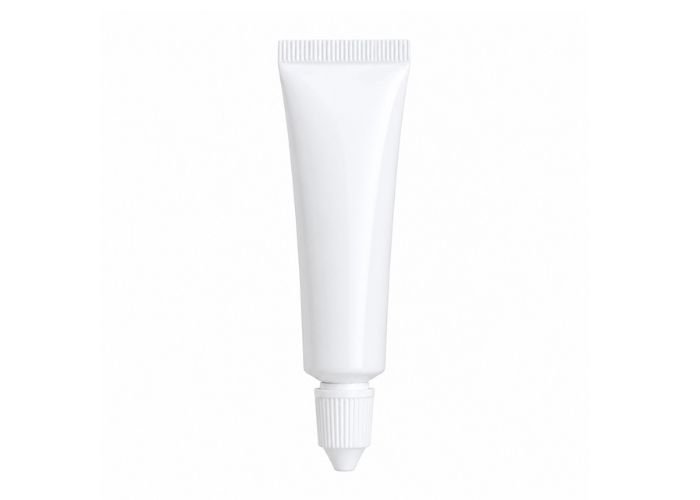
Ointment Tube
Ointment Tube
Aluminium Collapsible Tube
Laminated Tube
Laminated Tube
Ointment Nozzle
Ointment Nozzle
Tube Cap
Tube Cap
Sterile Ophthalmic Vial
Plastic Vial
Plastic Vial
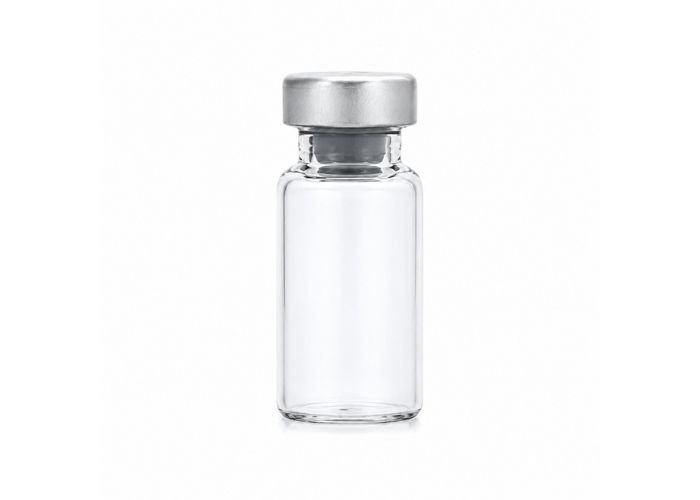
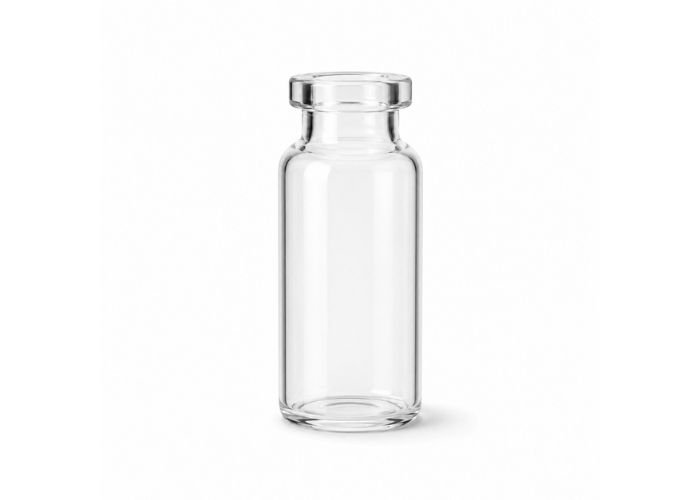
Glass Vial
Glass Vial
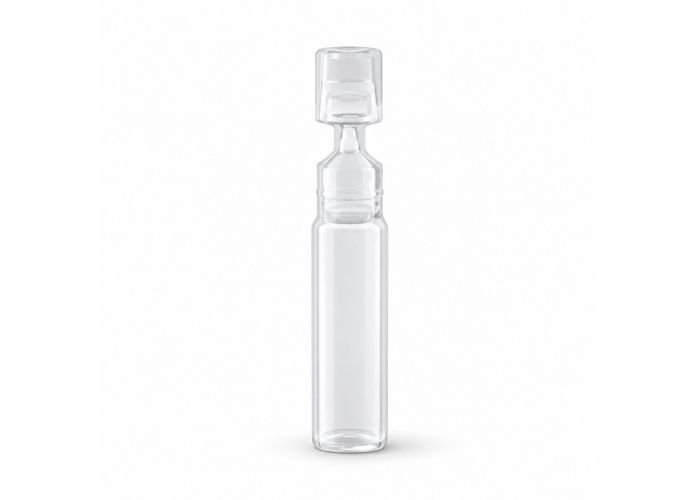
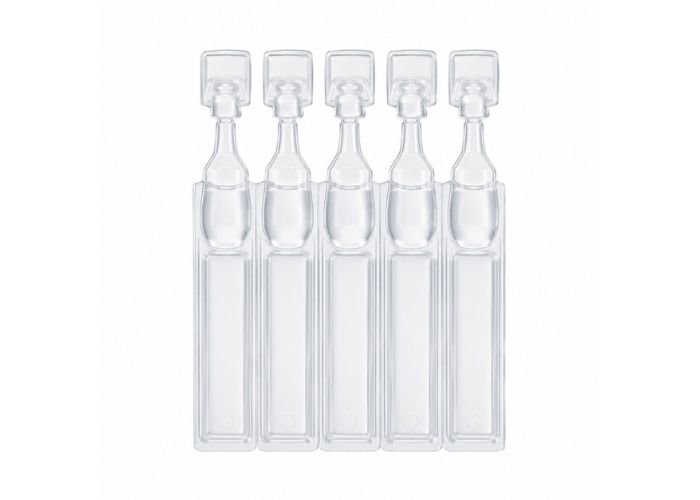
BFS Ampoule
BFS Ampoule
LDPE Unit Dose Container
Tip Cap
Tip Cap

Secondary Packaging Materials

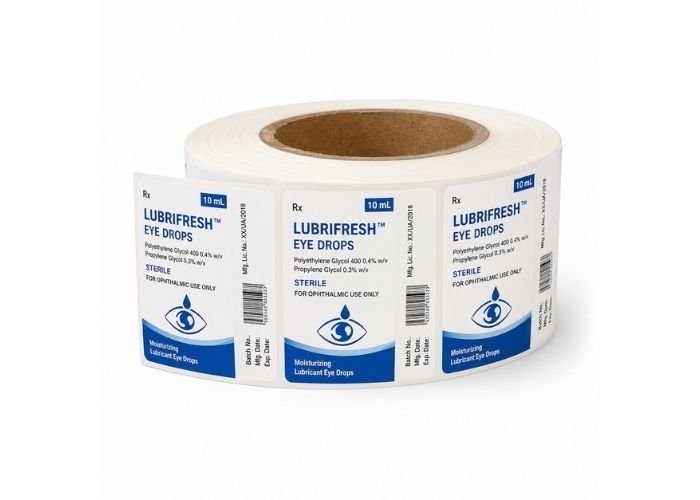
Printed Label
Printed Label
Sticker Label
Sticker Label
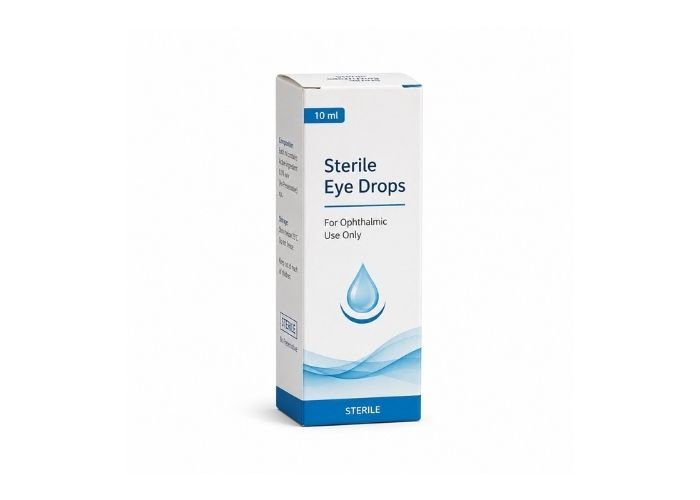
Mono Carton
Mono Carton
Printed Carton
Printed Carton
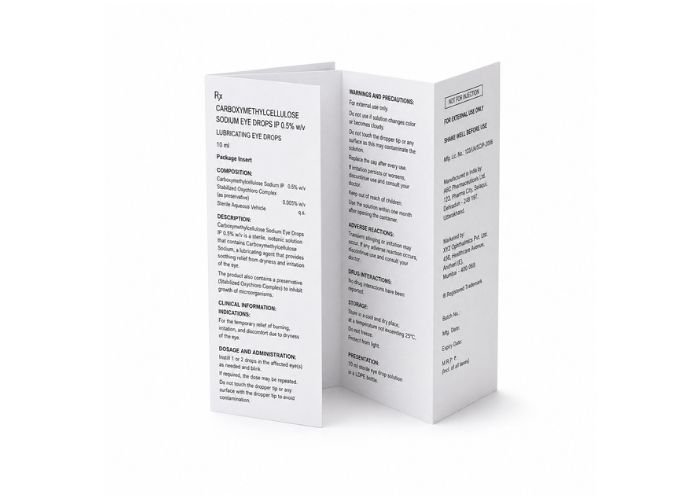
Package Insert
Package Insert
Patient Information
Patient Information
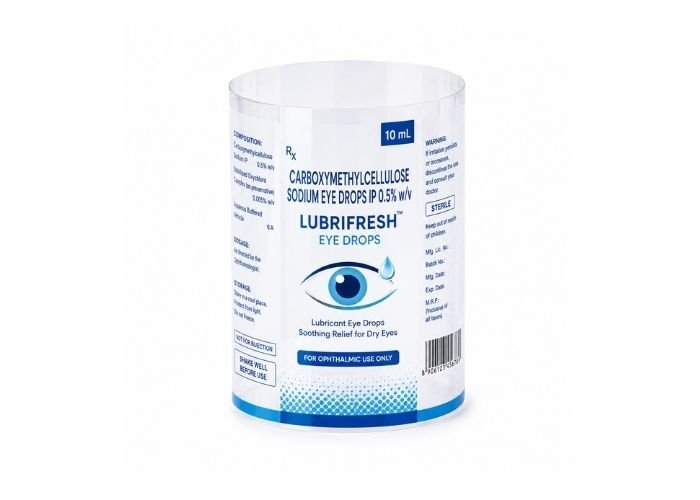
Shrink Sleeve
Shrink Sleeve
Tamper-Evident Neck Band
BOPP Tape
BOPP Tape
Transparent Tape
Transparent Tape
Batch Coding Ink
Batch Coding Ink
Transfer Ribbon
Transfer Ribbon
Barcode Label
Barcode Label
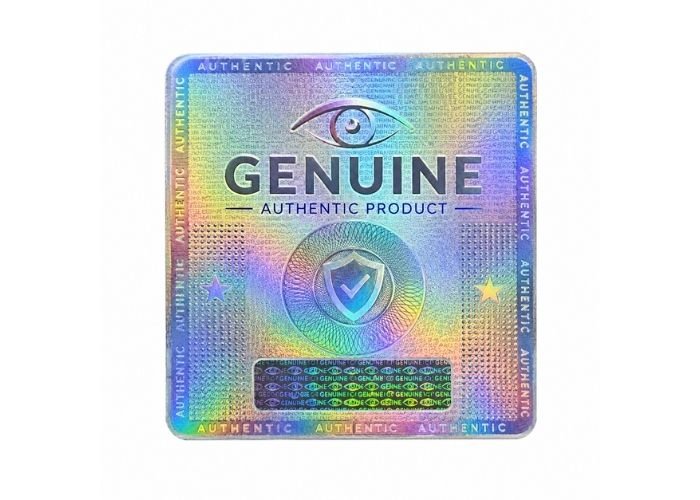
Hologram
Hologram
Carton Label
Carton Label
Serialization Label
Serialization Label
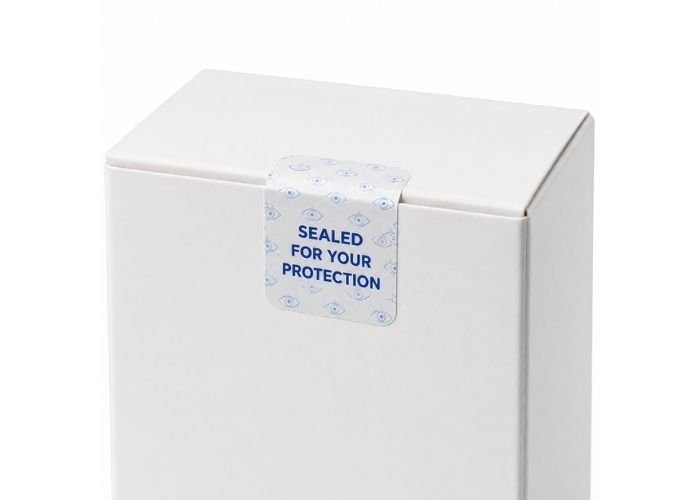
Carton Sealing Sticker
Product Information Sticker
Warning label
Warning label
qr code label
qr code label

Tertiary Packaging Material

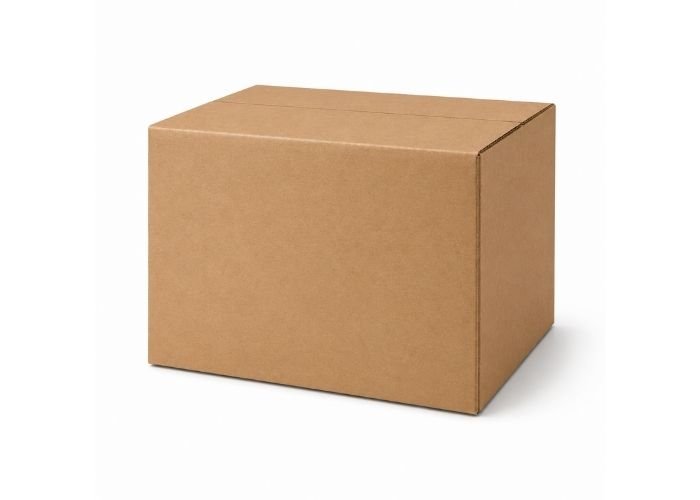
Corrugated Box
Corrugated Box
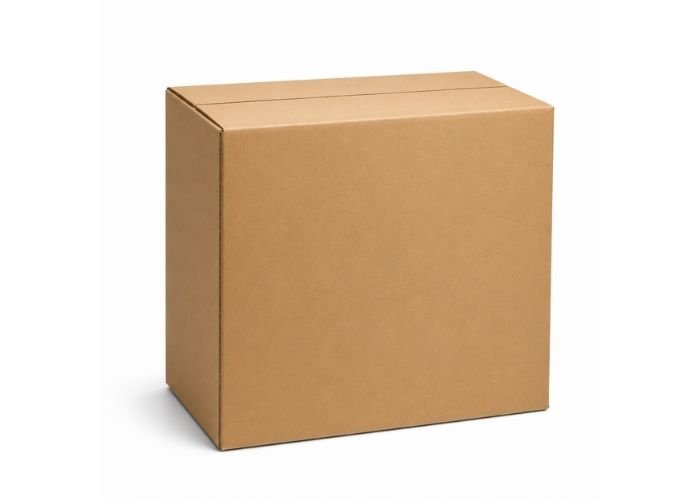
Shipper Carton
Shipper Carton
Master Carton
Master Carton
Outer Carton
Outer Carton
Divider
Divider
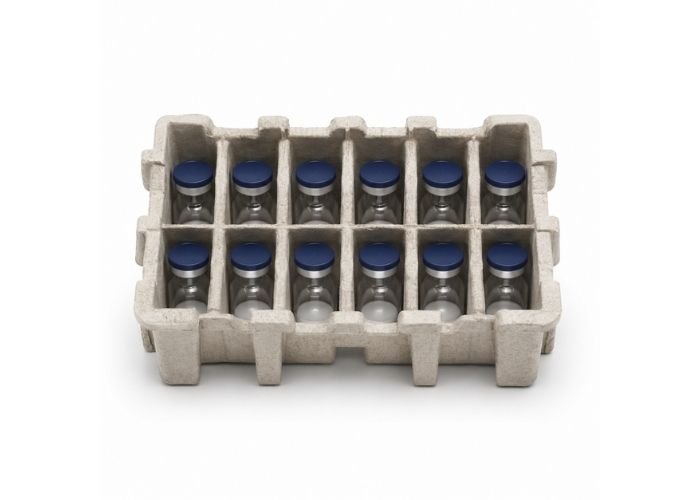
Vial Separator
Vial Separator
Vial Grid Separator
Vial Grid Separator
Bubble Sheet
Bubble Sheet
Foam Sheet
Foam Sheet
EPE Foam
EPE Foam
Air Cushion Sheet
Air Cushion Sheet
Stretch Film
Stretch Film
Shrink Film
Shrink Film
Stainless-Steel Pallet
Plastic Pallet
Plastic Pallet
Pallet Cover
Pallet Cover
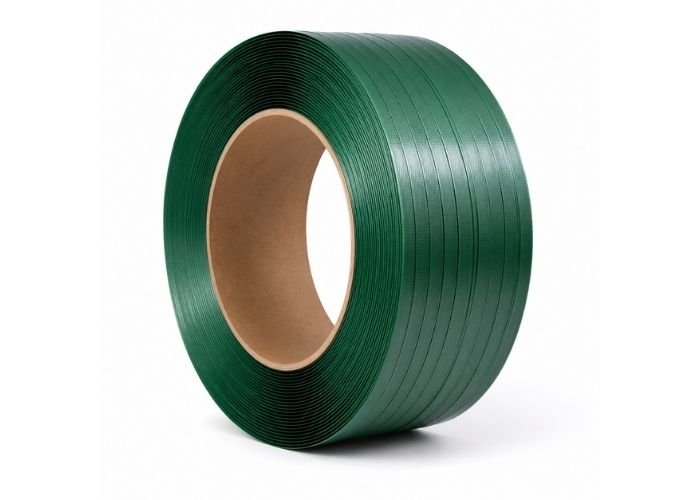
Strapping Roll
Strapping Roll
outer box Label
outer box Label
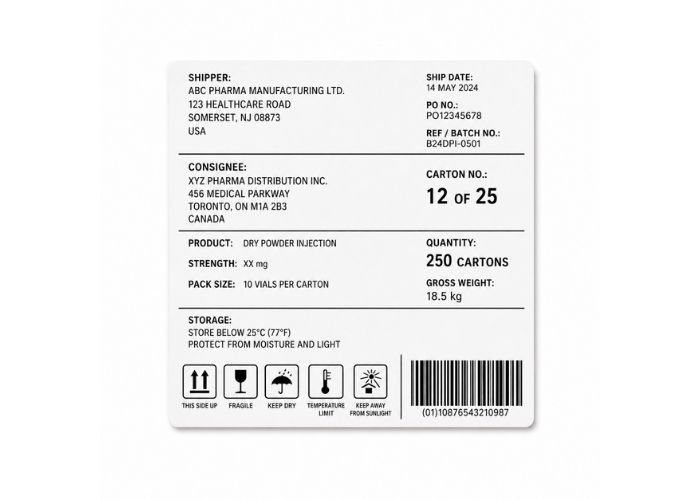
Shipper Label
Shipper Label
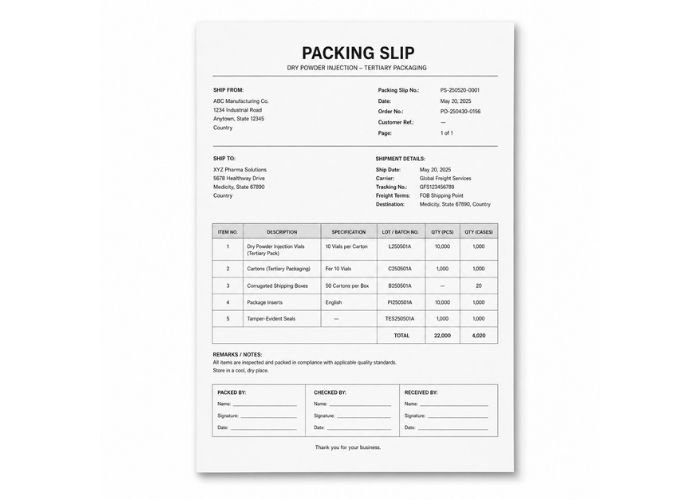
Packing Slip
Packing Slip
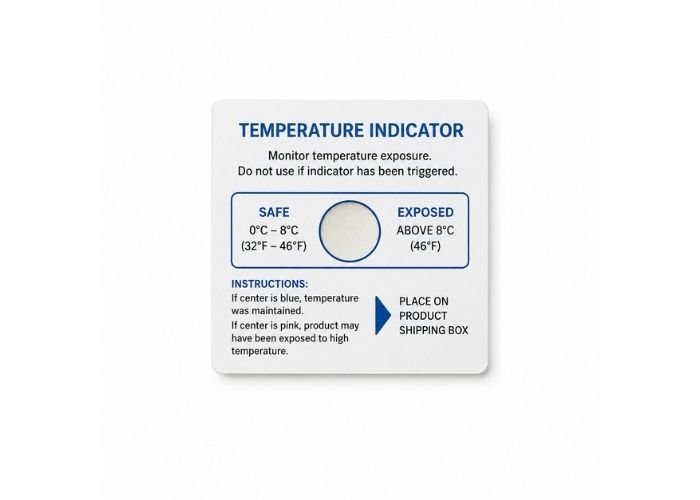
Temperature Indicator Label
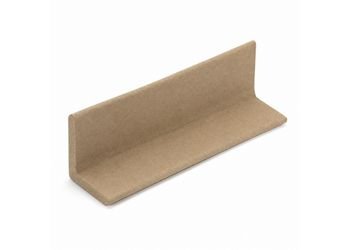
Corner Protector
Corner Protector
Edge Protector
Edge Protector
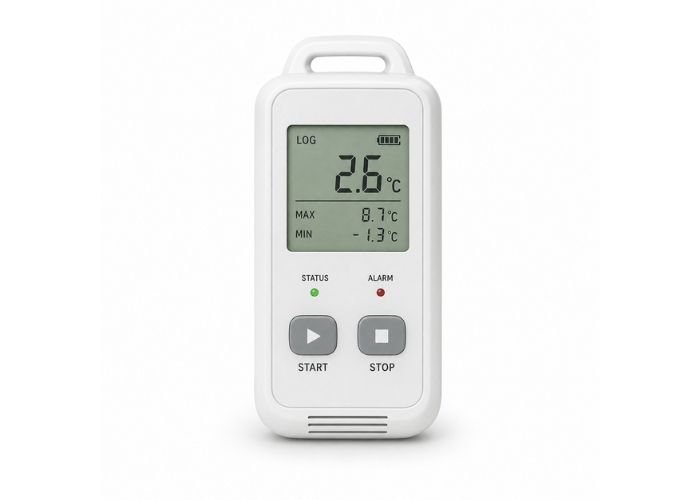
Data Logger
Data Logger

FAQ: Ophthalmic packaging material

  1. What is ophthalmics packaging material?

Ophthalmics packaging material refers to packaging components used for eye drops, eye ointments, eye gels and sterile ophthalmic products. It includes bottles, droppers, nozzles, caps, vials, tubes, labels, cartons and shipper boxes.

  1. What is primary packaging material in ophthalmics?

Primary packaging material is the material that comes in direct contact with the ophthalmic product. Examples include LDPE eye drop bottle, glass bottle, dropper nozzle, cap, ointment tube, vial and BFS ampoule.

  1. Which bottle is commonly used for eye drops?

LDPE eye drop bottles are commonly used for eye drops because they are soft, squeezable and suitable for controlled drop dispensing.

  1. Why is amber glass bottle used in ophthalmics?
Amber glass bottles are used to protect light-sensitive ophthalmic formulations from light degradation.

  1. What is BFS ampoule in ophthalmic packaging?

BFS stands for Blow-Fill-Seal. BFS ampoules are sterile single-dose containers commonly used for preservative-free ophthalmic eye drops.

  1. Why are unit-dose containers used for eye drops?

Unit-dose containers are used to provide a single-use sterile dose. They are commonly used for preservative-free ophthalmic formulations.

  1. What is the role of dropper nozzle?

The dropper nozzle controls the flow of solution and helps deliver uniform drops into the eye.

  1. What is tamper evident cap?

A tamper evident cap shows whether the bottle has been opened before use. It improves patient safety and product security.

  1. What packaging is used for ophthalmic ointment?

Ophthalmic ointments are commonly packed in aluminium collapsible tubes, laminated tubes or special ophthalmic ointment tubes with nozzles.

  1. Why is packaging material important for ophthalmic products?

Packaging material is important because it protects ophthalmic products from contamination, leakage, light, moisture and microbial growth. It also ensures safe and accurate use by the patient.

  1. What are secondary packaging materials for ophthalmics?

Secondary packaging materials include labels, cartons, package inserts, shrink sleeves, barcode labels, batch coding ink and hologram labels.

  1. What are tertiary packaging materials for ophthalmics?

Tertiary packaging materials include corrugated boxes, shipper cartons, dividers, bubble sheets, stretch film, strapping rolls, pallets and pallet covers.

  1. What tests are performed on ophthalmic packaging material?

Common tests include visual inspection, dimension check, leakage test, drop size test, cap torque test, fitment test, sterility test, bioburden test and compatibility study.

  1. Can plastic bottles be used for sterile ophthalmic products?

Yes, plastic bottles such as LDPE, HDPE and PET bottles can be used for sterile ophthalmic products if they are compatible, properly sterilized and approved as per product requirement.

  1. What is the best packaging for preservative-free eye drops?

BFS ampoules and LDPE unit-dose containers are commonly preferred for preservative-free eye drops because they support single-use sterile dosing.