







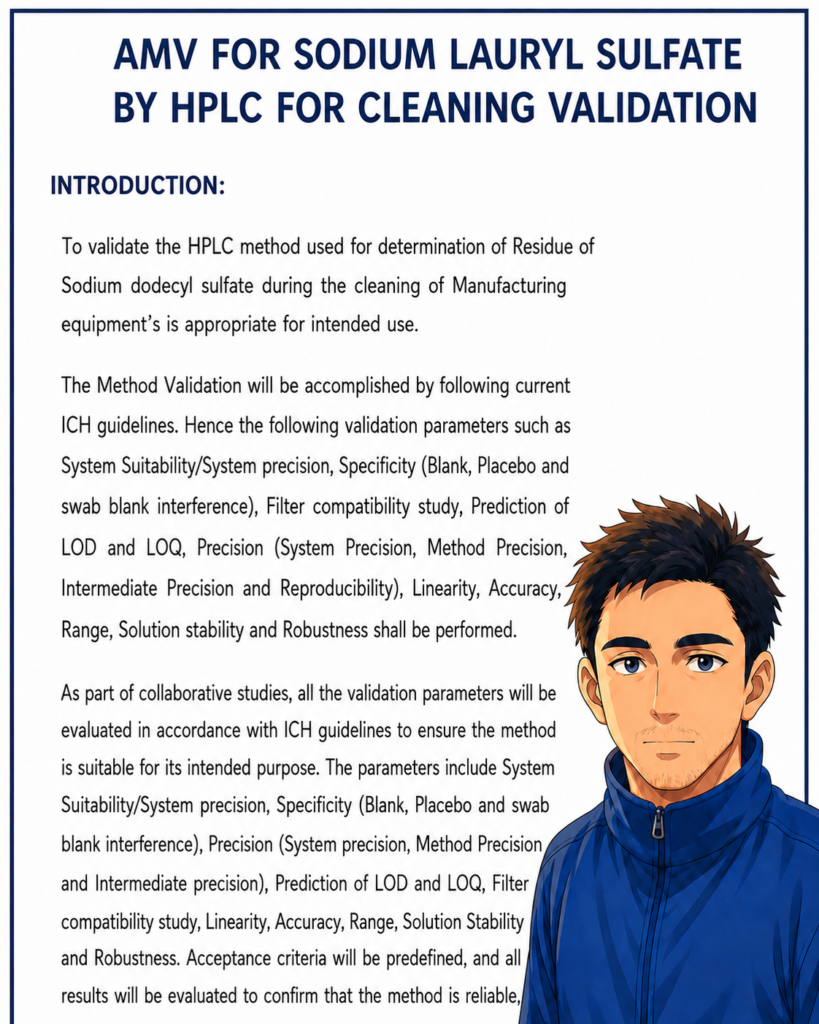
The ANALYTICAL METHOD VALIDATION PROTOCOL FOR SODIUM LAURYL SULPHATE (SLS) residue by HPLC was prepared to prove that the method is suitable for cleaning validation residue analysis from stainless steel surfaces. The objective was to validate the HPLC method as per analytical validation requirements and confirm that the method can accurately detect and quantify SLS residue from manufacturing equipment after cleaning.
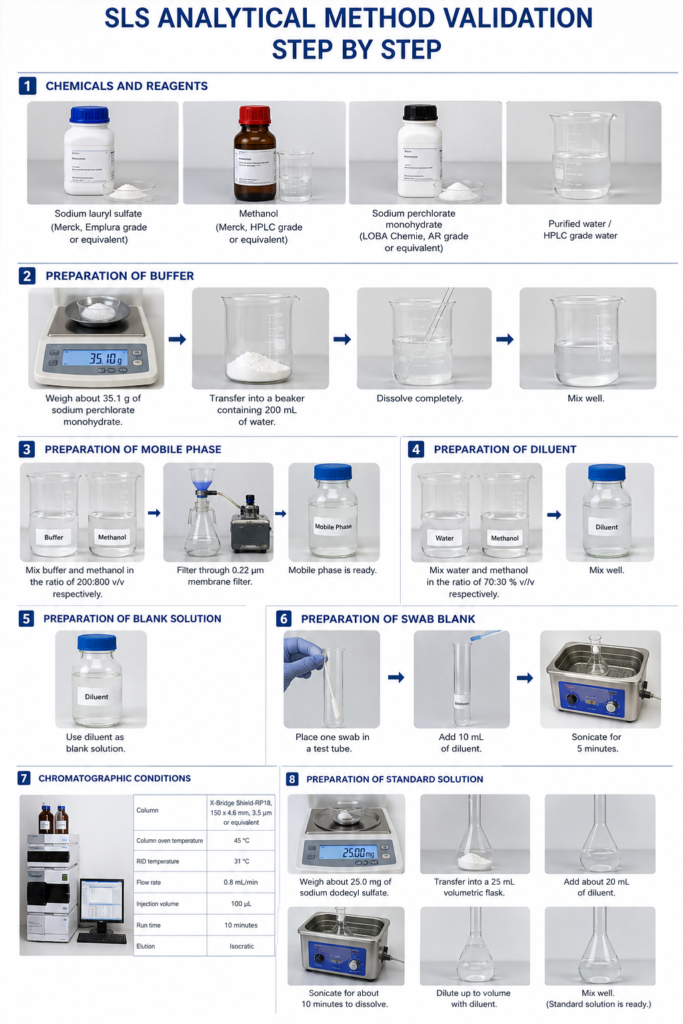
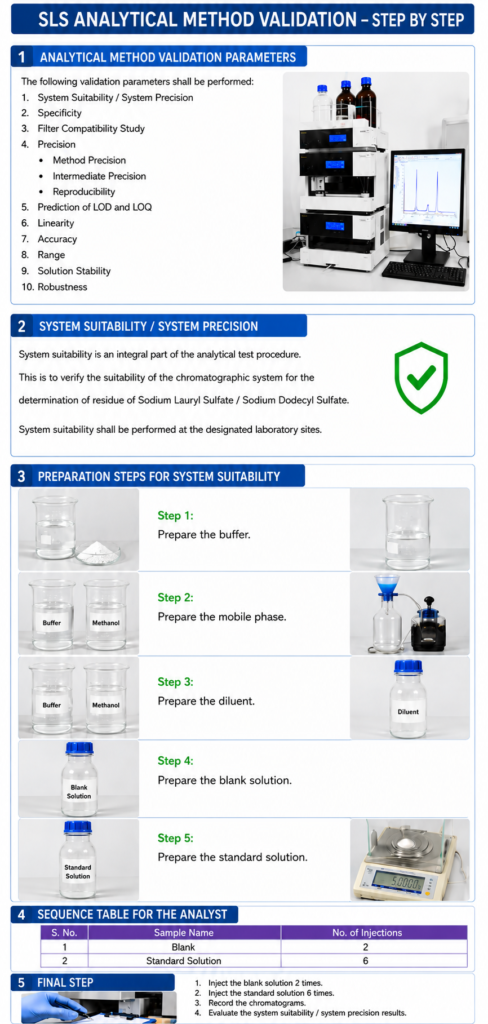
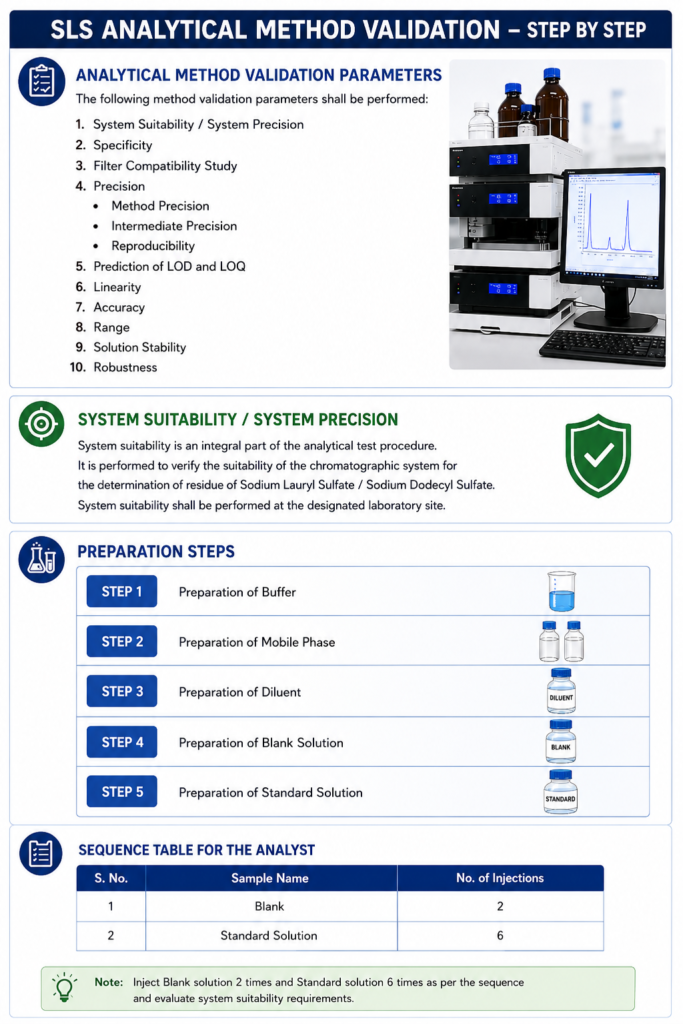
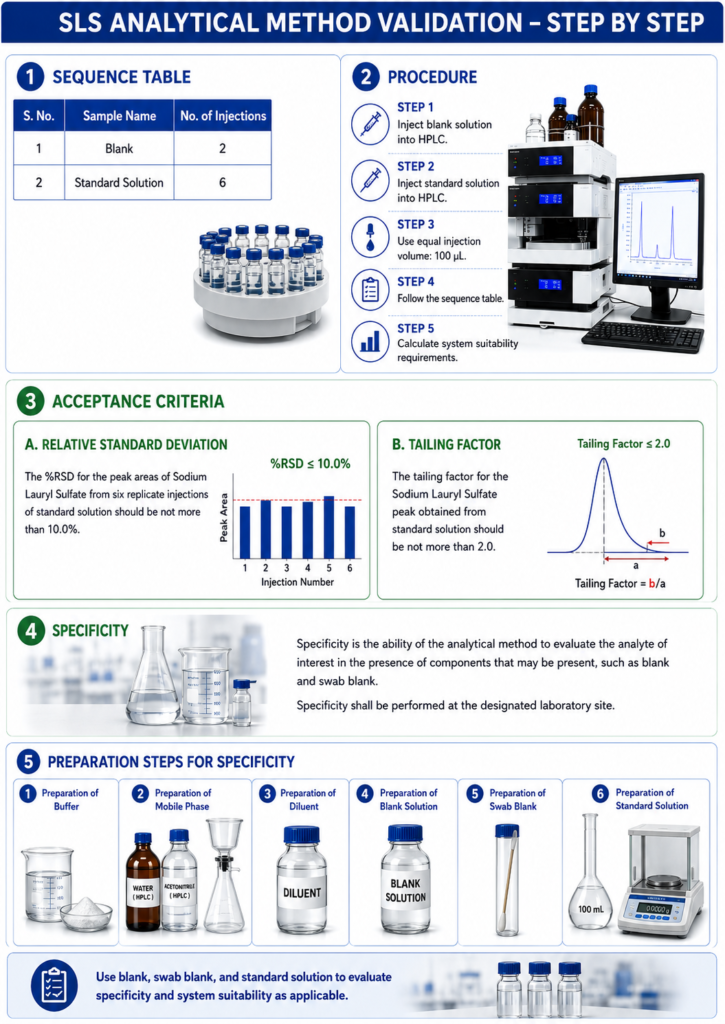
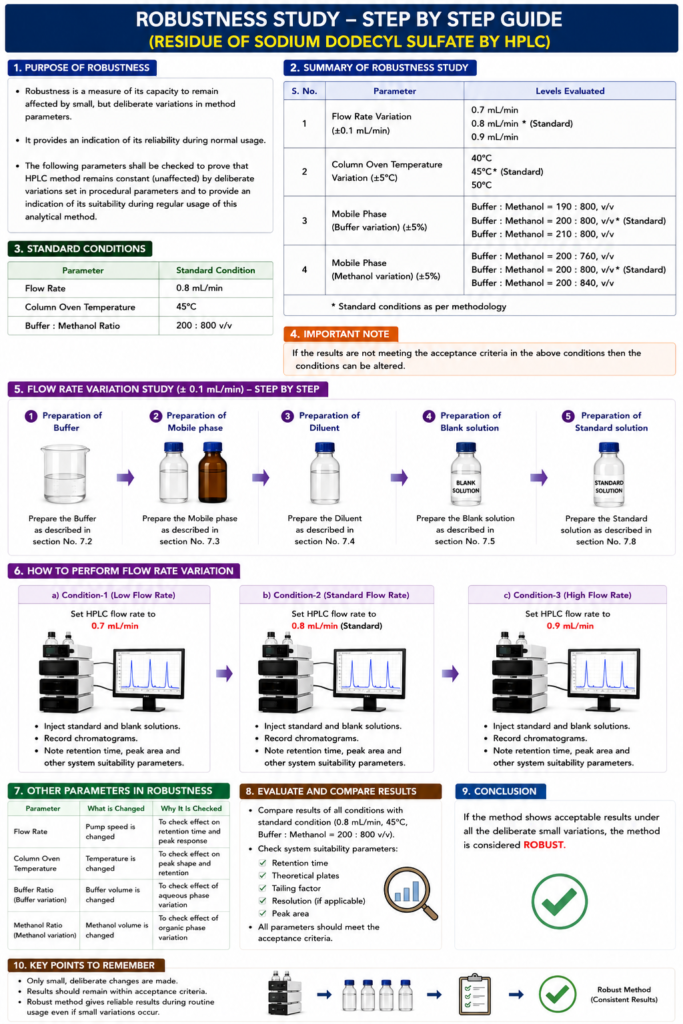
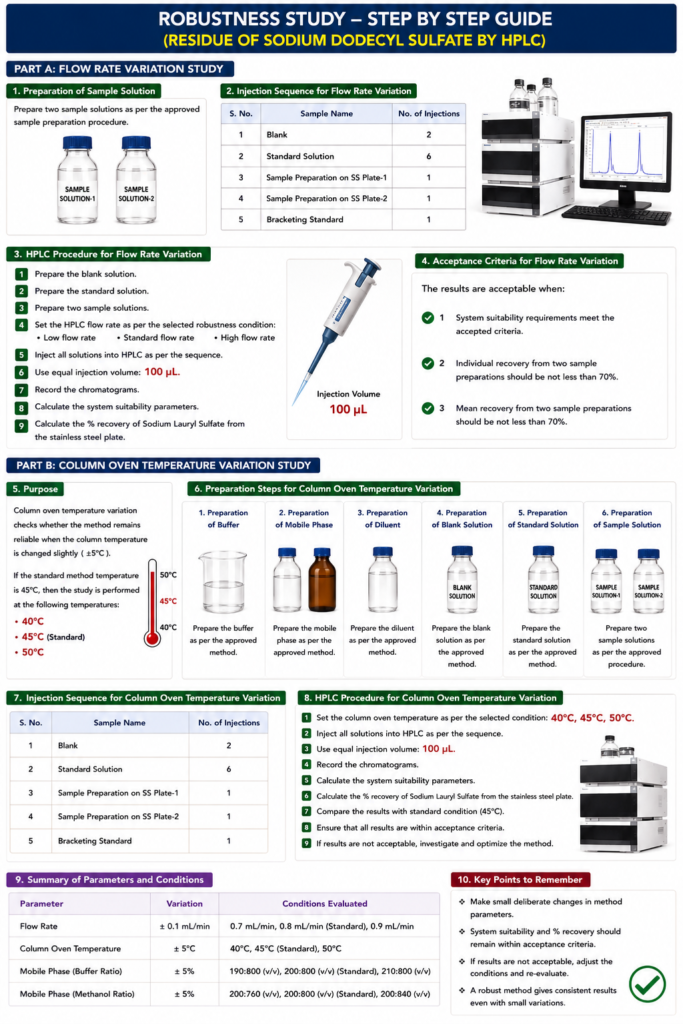
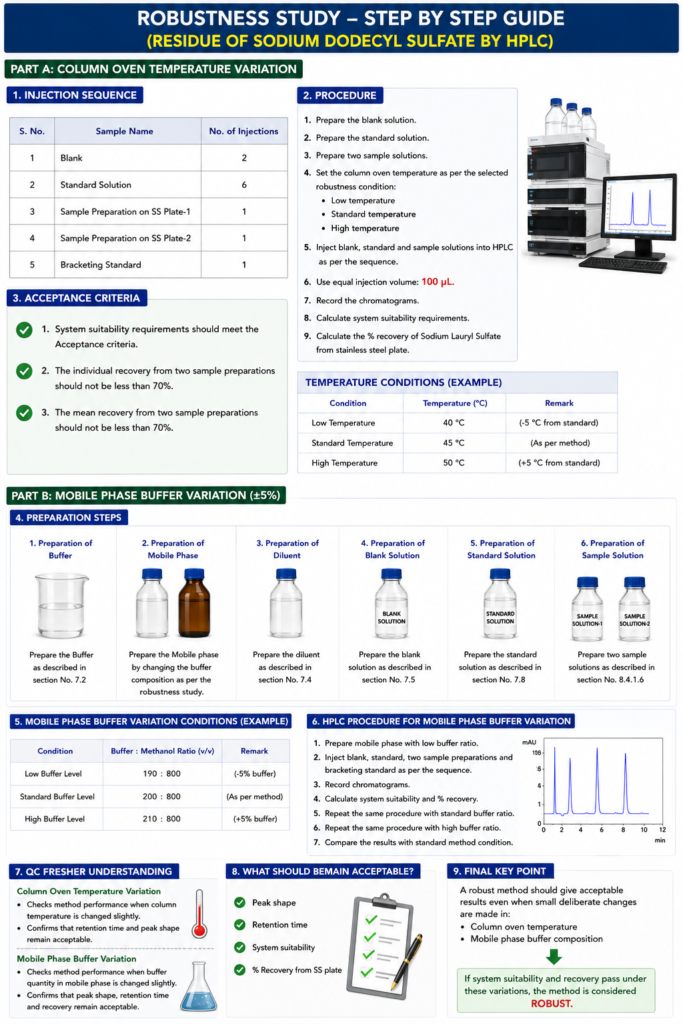
The method used sodium dodecyl sulfate standard, methanol, sodium perchlorate buffer, purified water, mobile phase and diluent. The mobile phase was prepared using buffer and methanol in the ratio of 200:800 v/v, and the diluent was water:methanol 70:30 v/v. The chromatographic conditions included an RP18 column, 45°C column oven temperature, 31°C RID temperature, 0.8 mL/min flow rate, 100 µL injection volume and 10-minute run time.
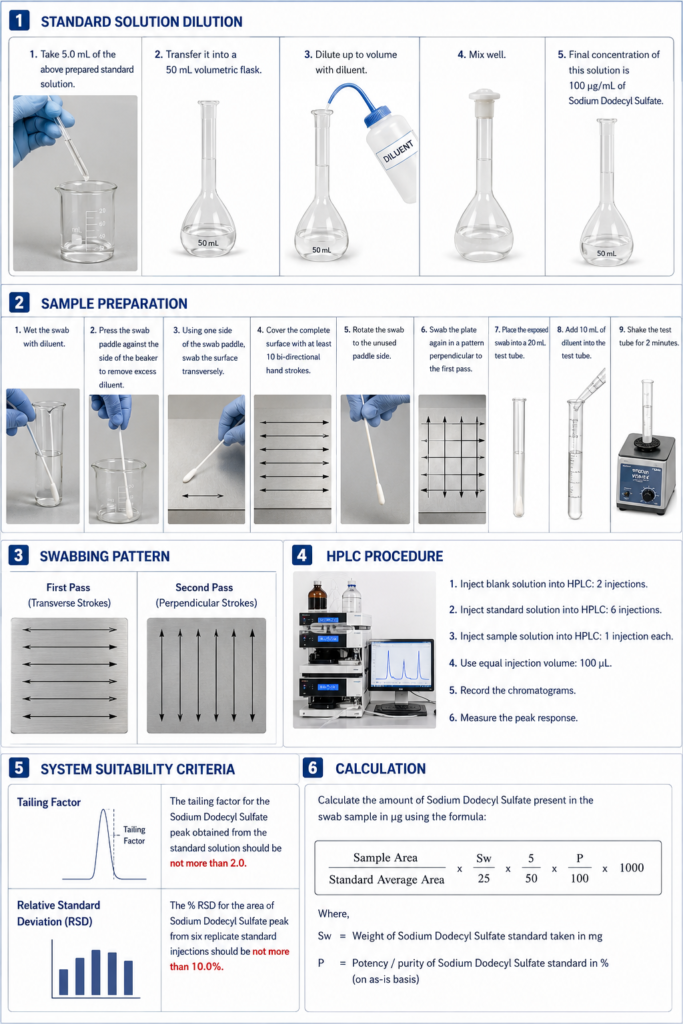
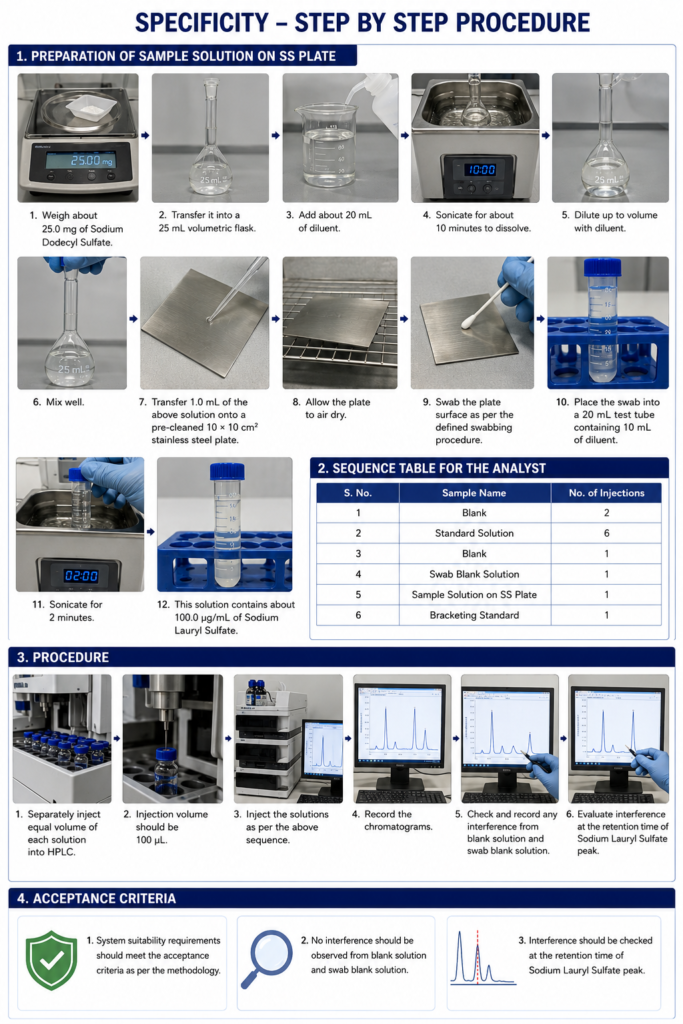
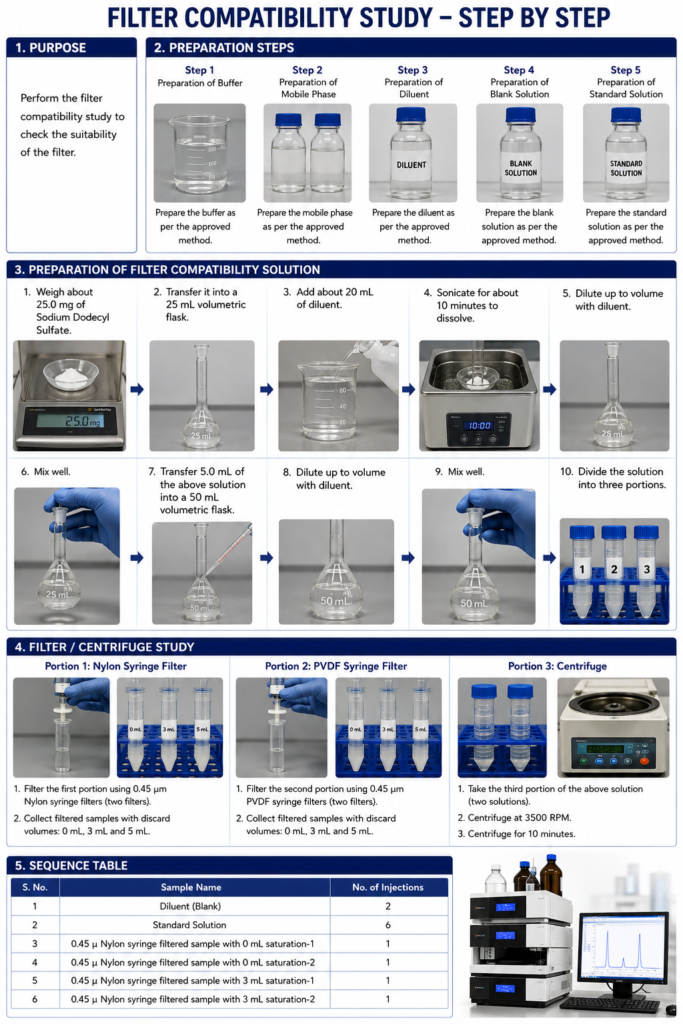
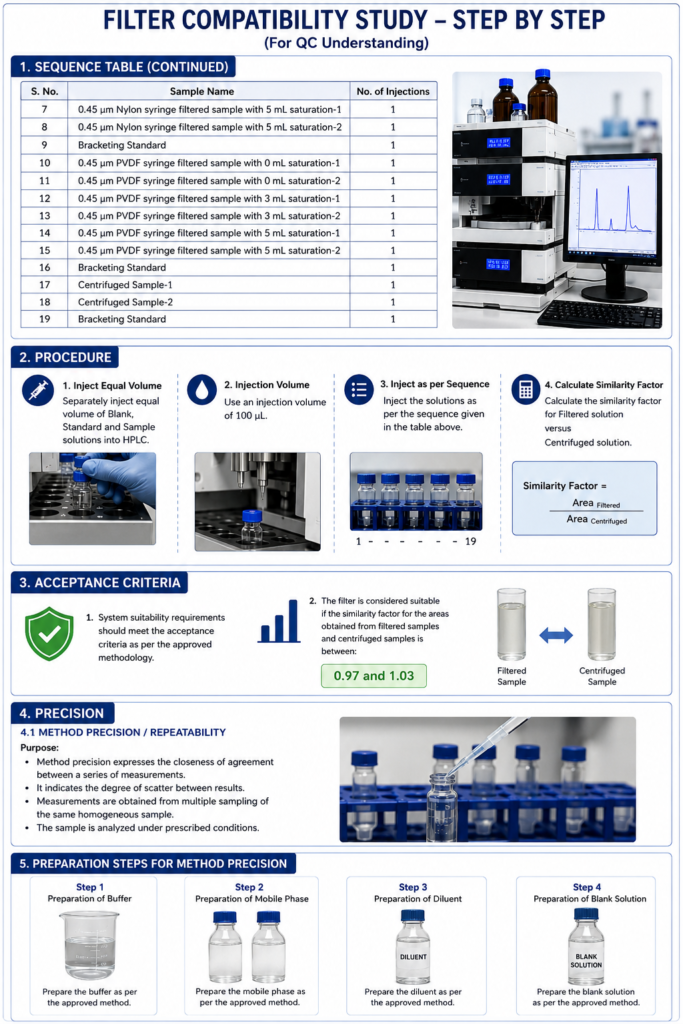
System suitability was performed using blank and standard injections. The %RSD and tailing factor met the acceptance criteria. Specificity showed no interference from blank or swab blank at the analyte retention time. Filter compatibility confirmed that a 0.45 µm PVDF syringe filter with 3 mL or 5 mL discard volume was suitable.
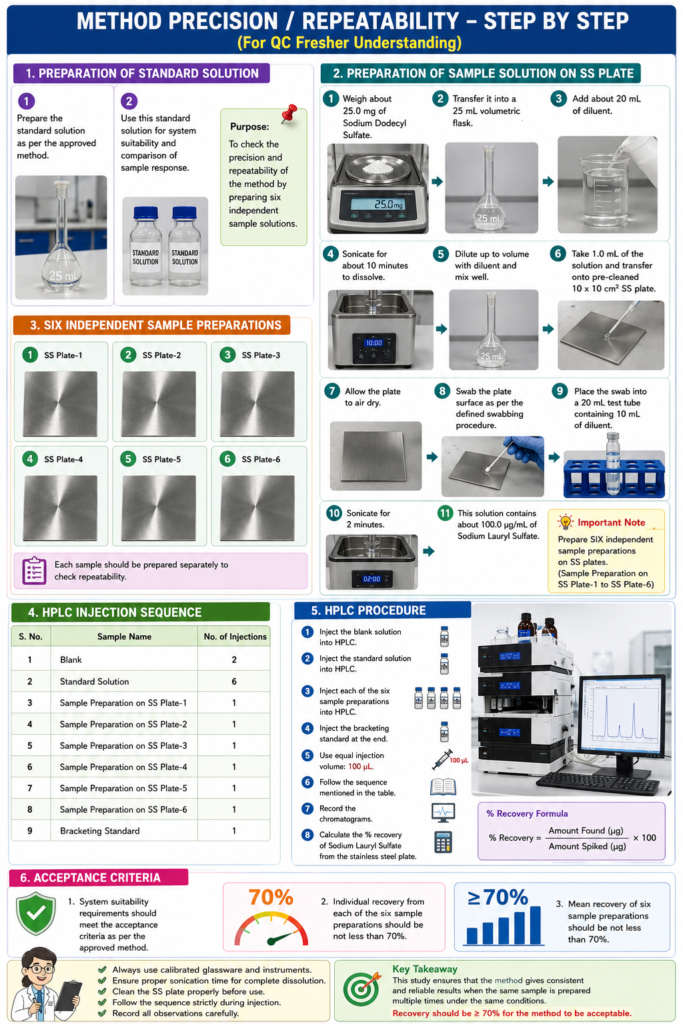
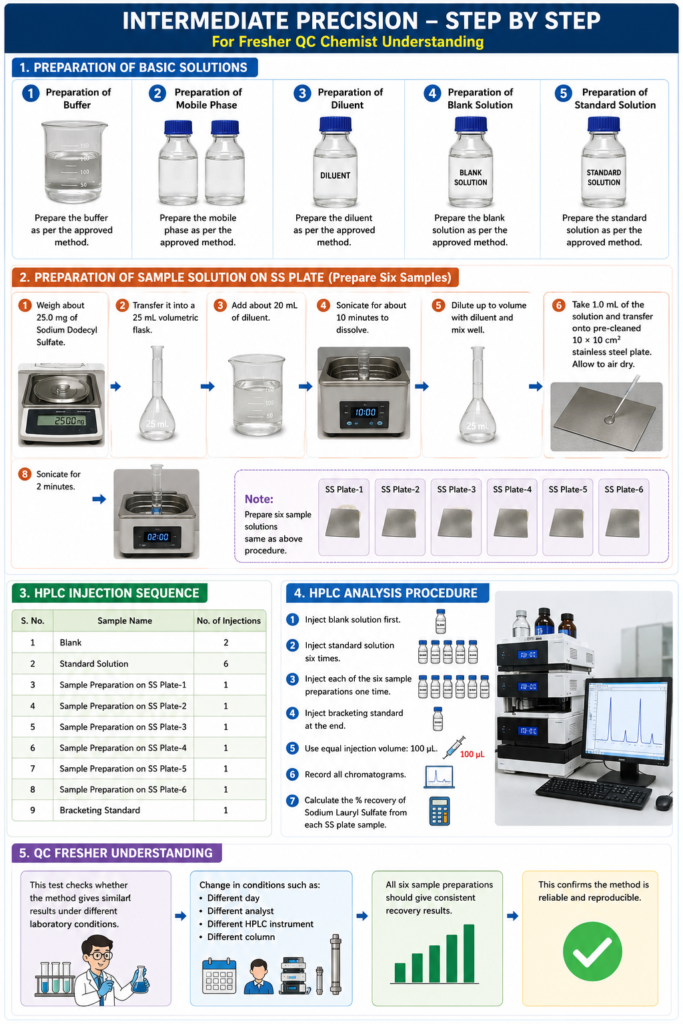
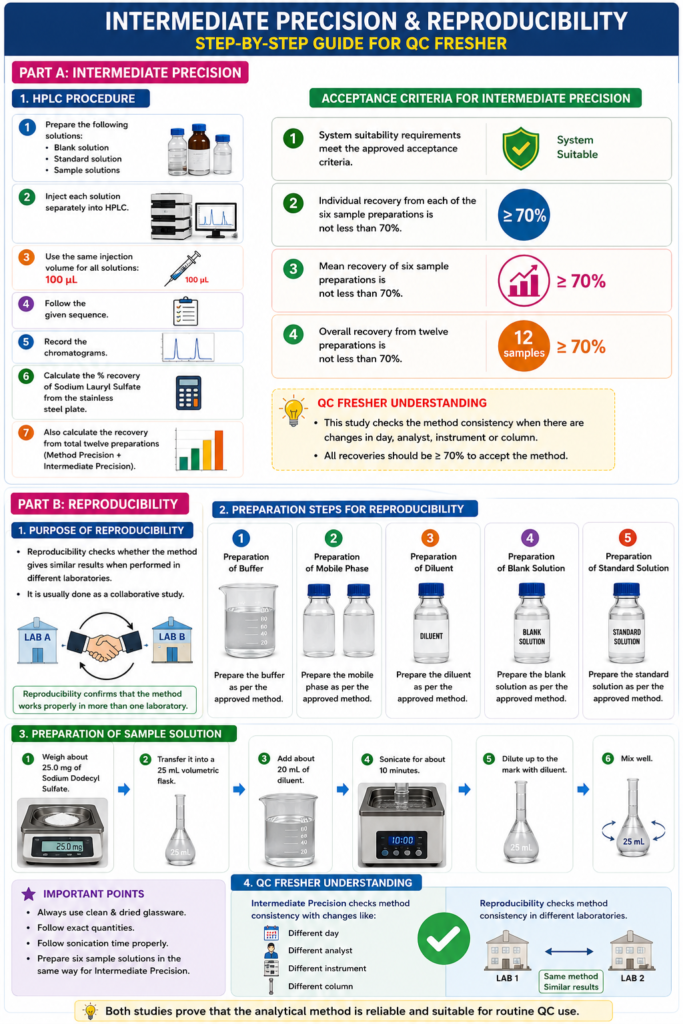
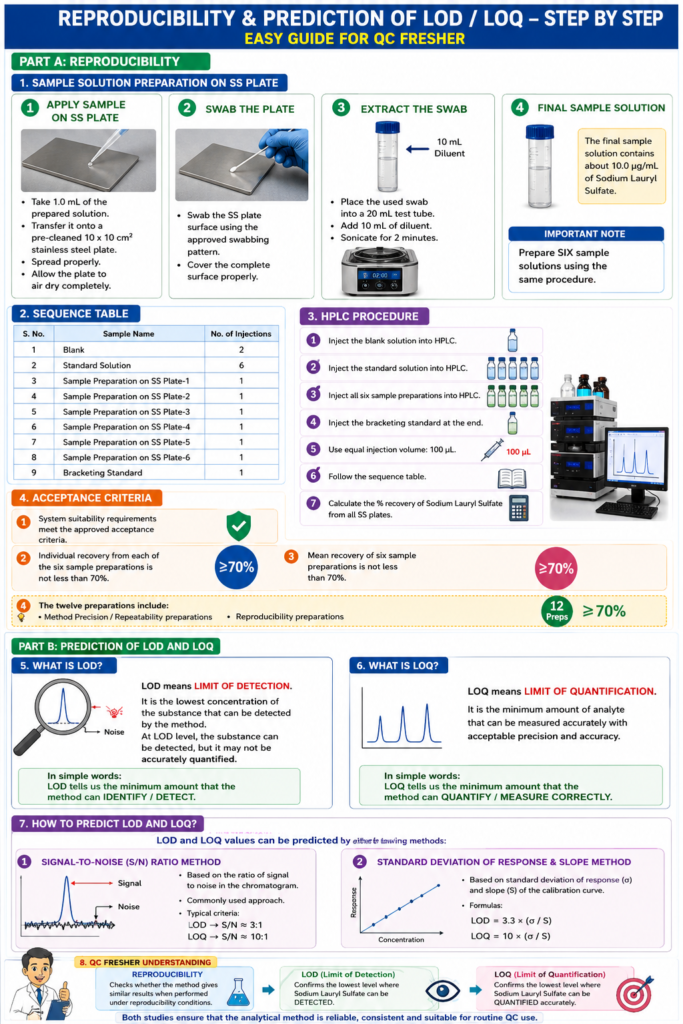
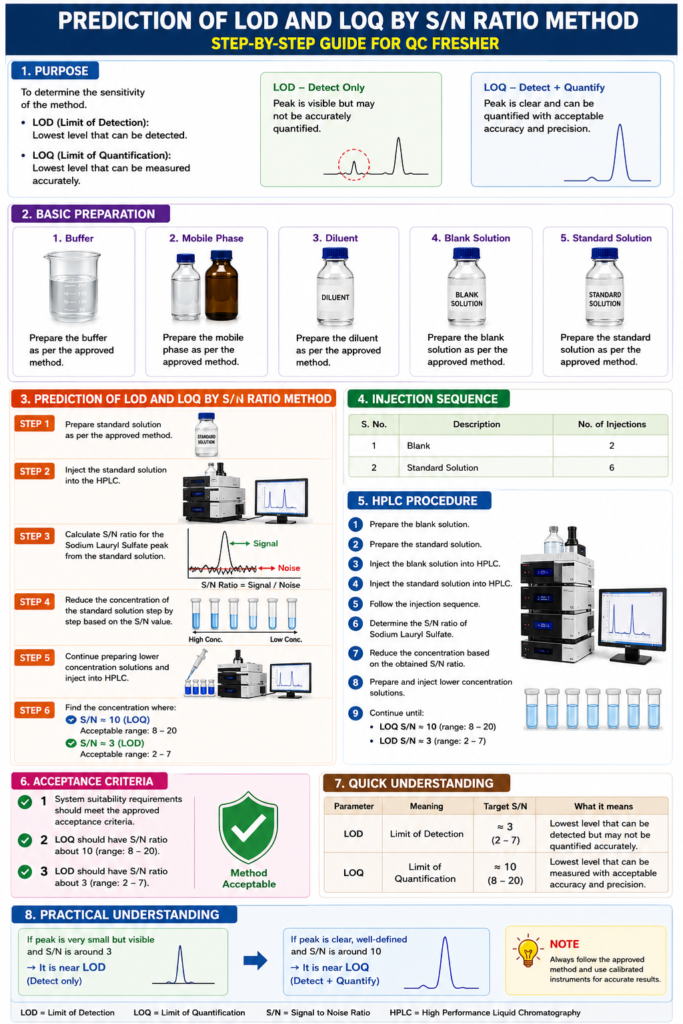
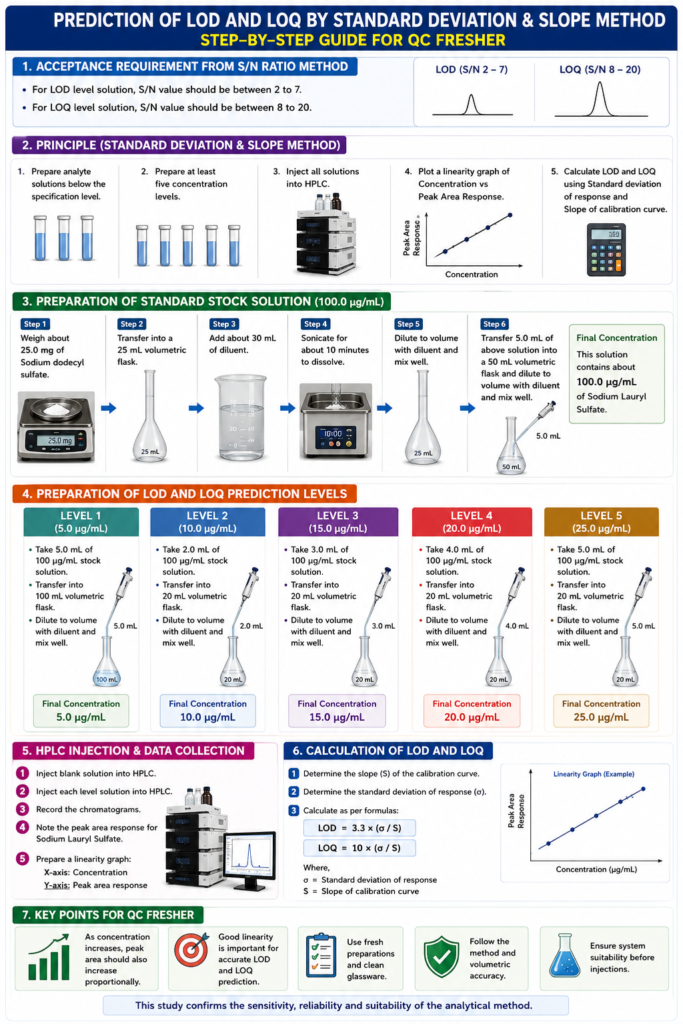
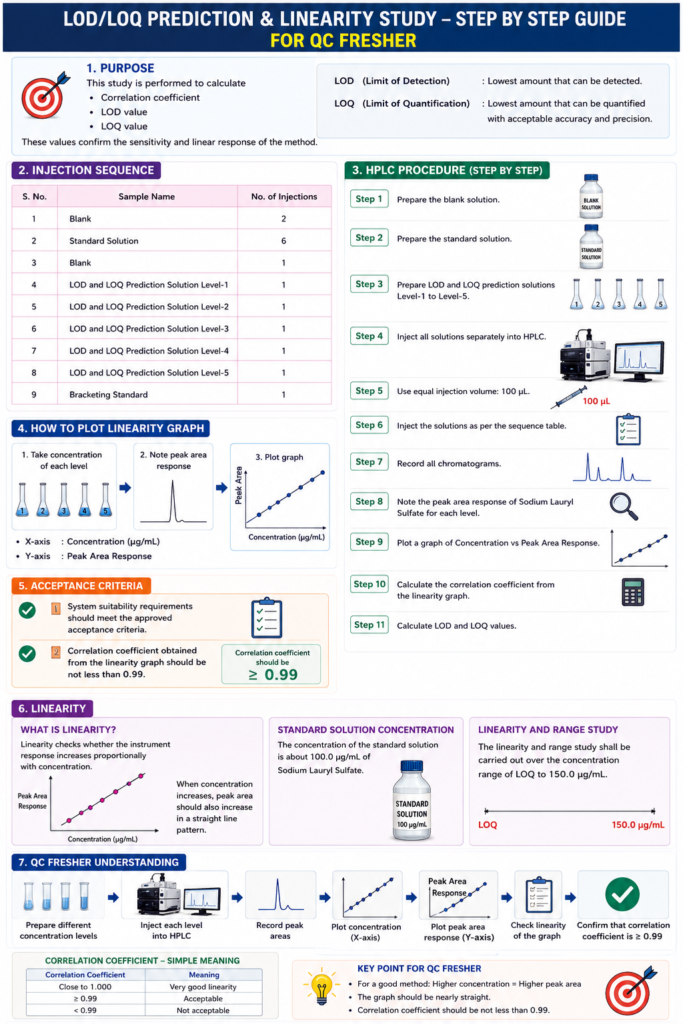
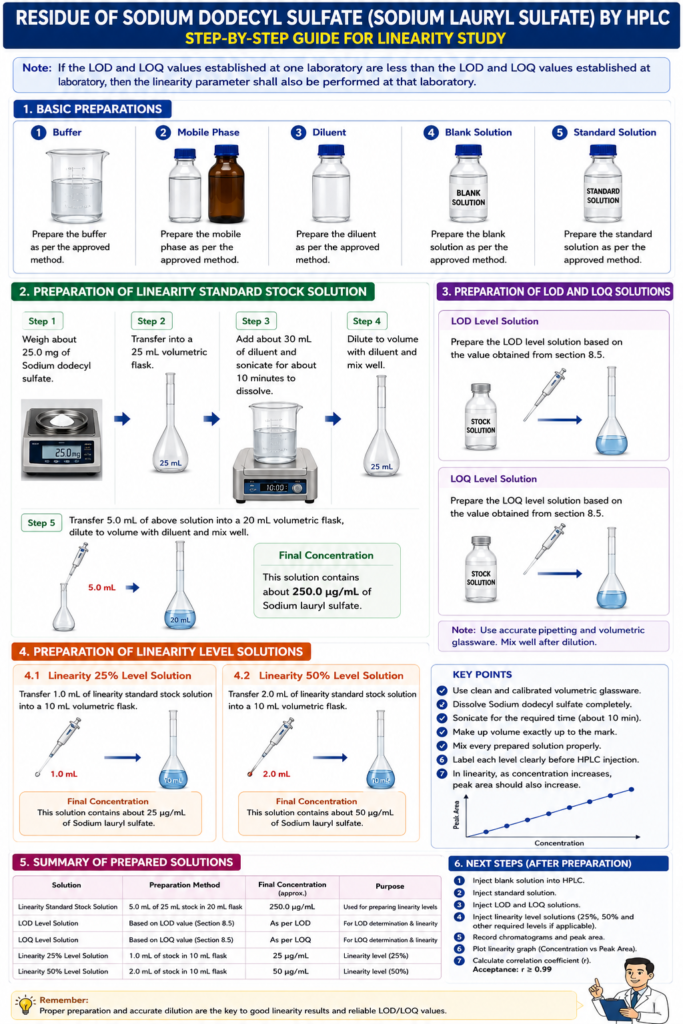
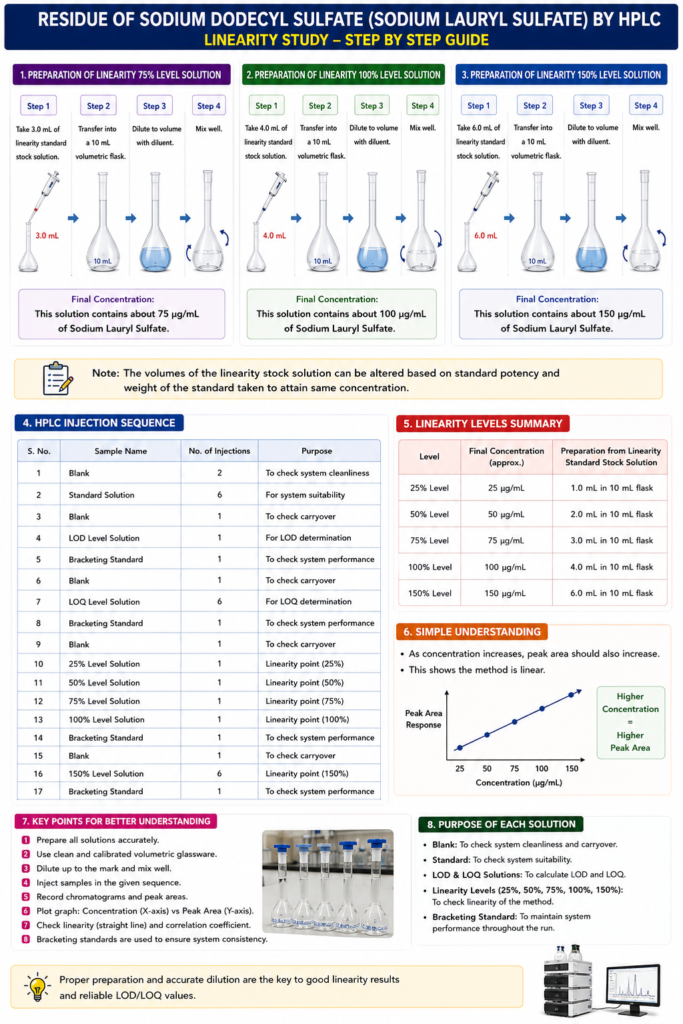
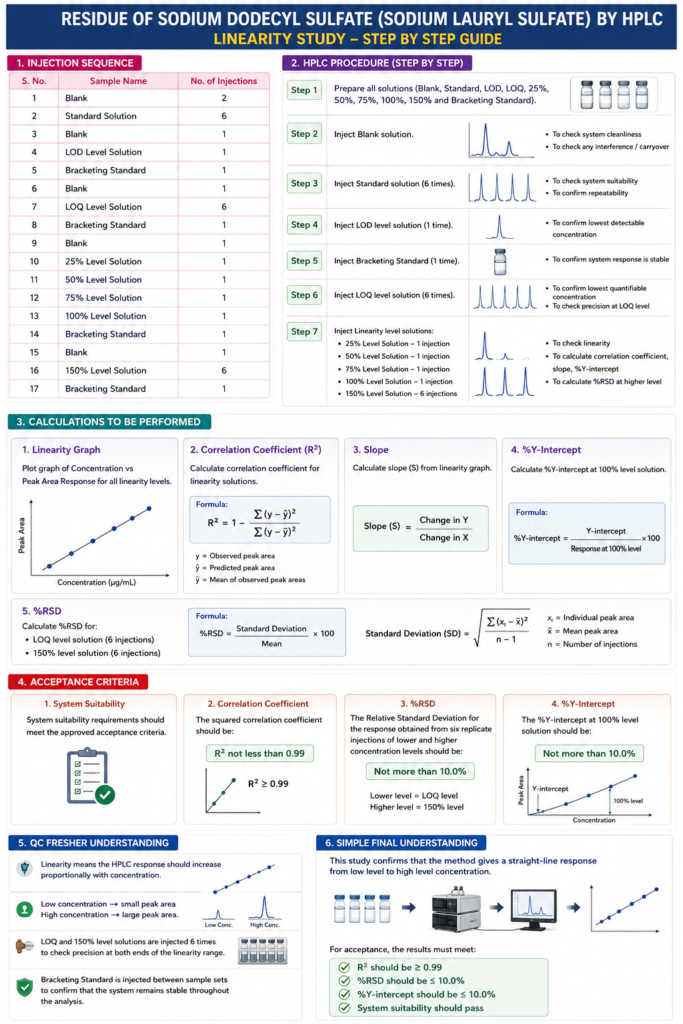
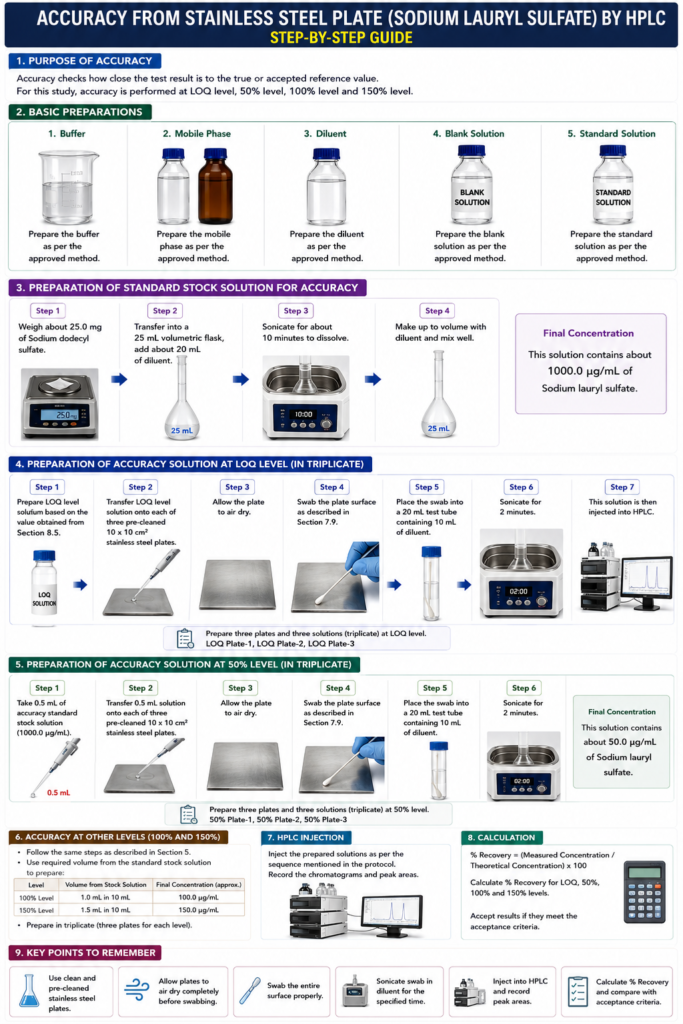
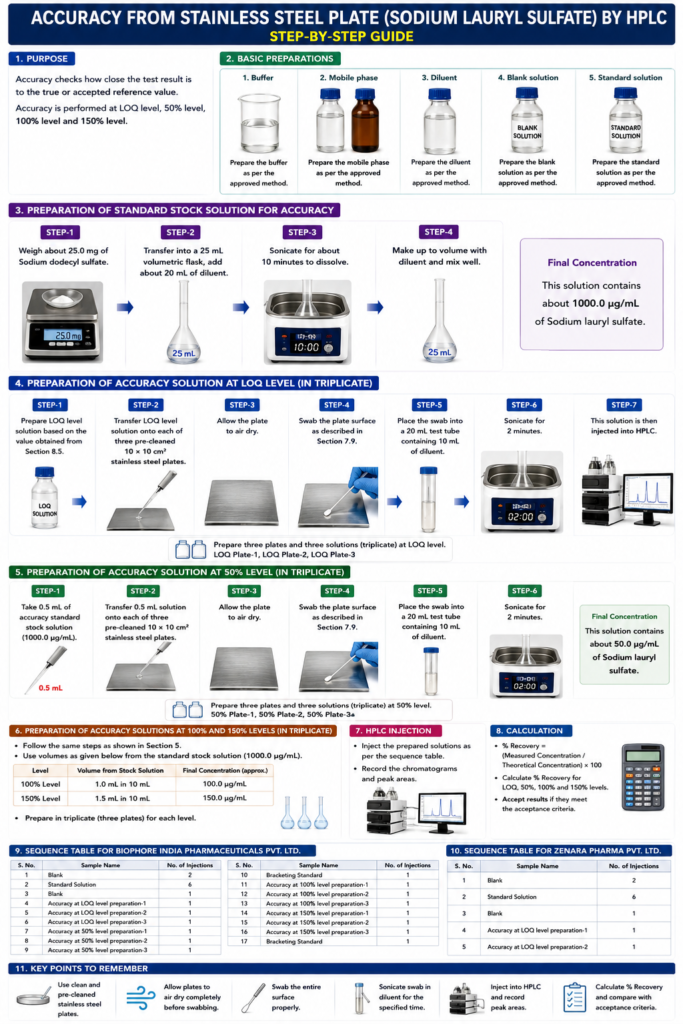
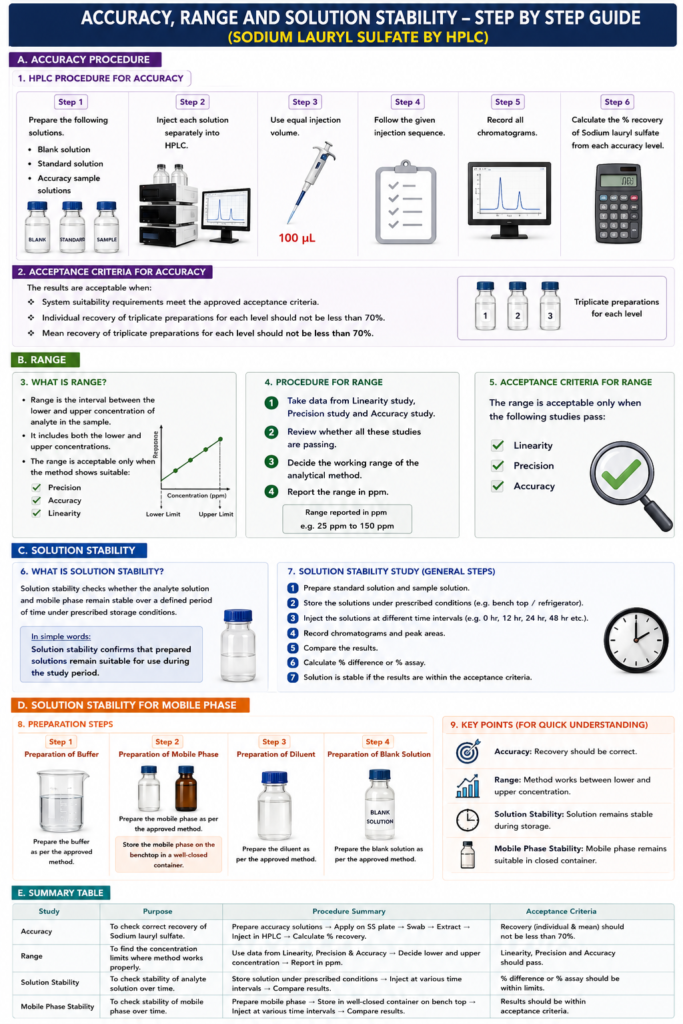
Precision studies, including method precision, intermediate precision and reproducibility, met the required recovery and system suitability criteria. LOD and LOQ values were established, and correlation coefficients met the required limit. Linearity was demonstrated from LOQ level to 150% level, with acceptable R², %RSD and %Y-intercept values. Accuracy was proven by spiking known SLS standard onto stainless steel plates, swabbing, extracting and analyzing by HPLC; all recoveries were acceptable.
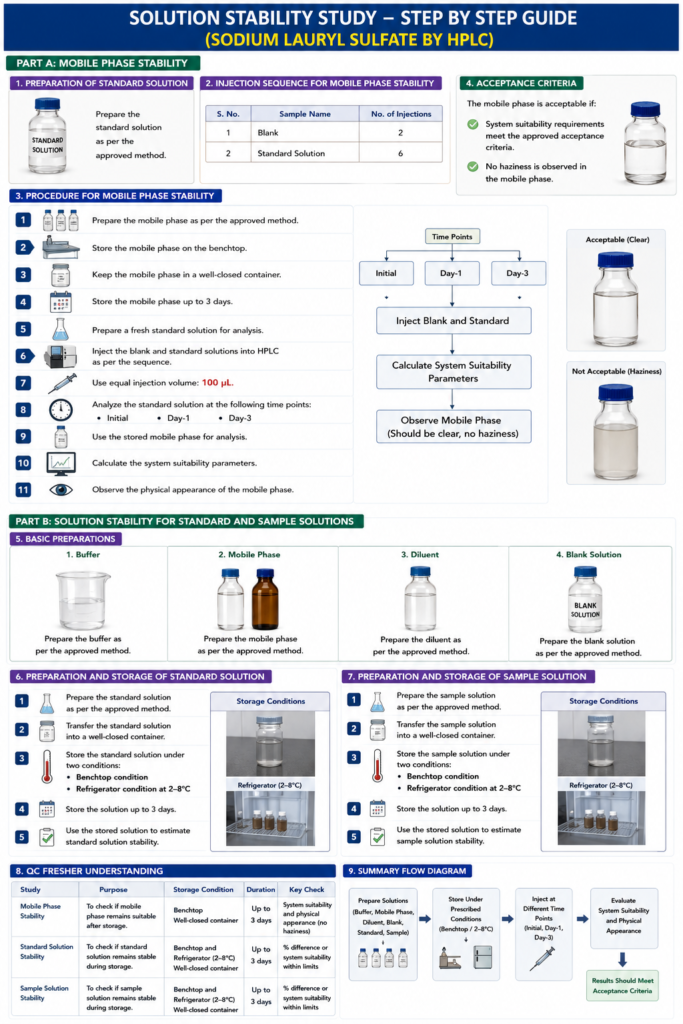
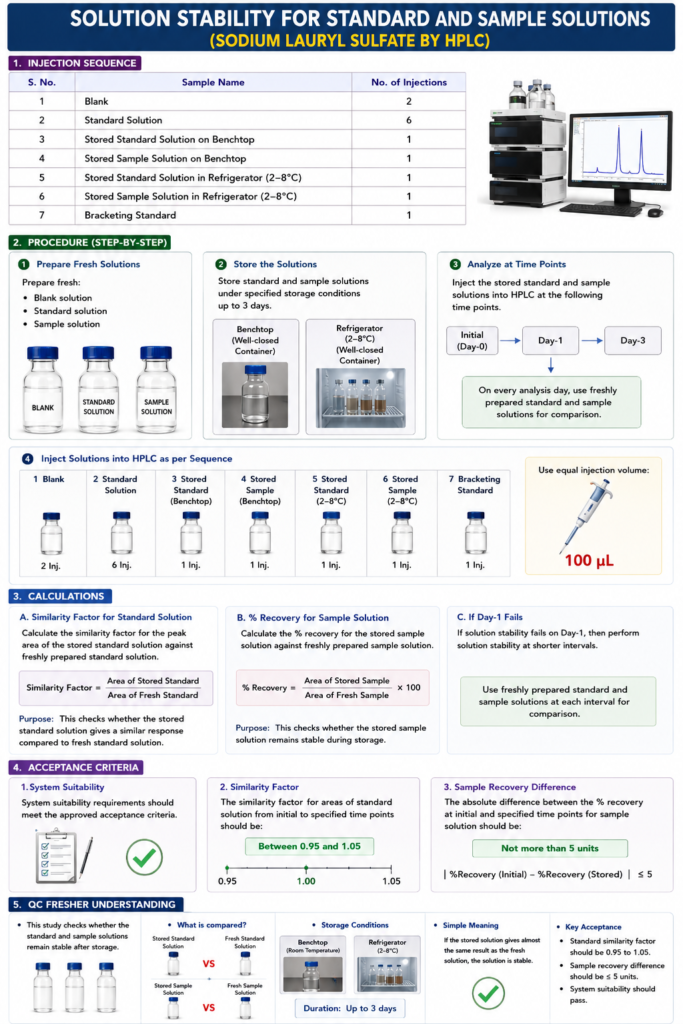
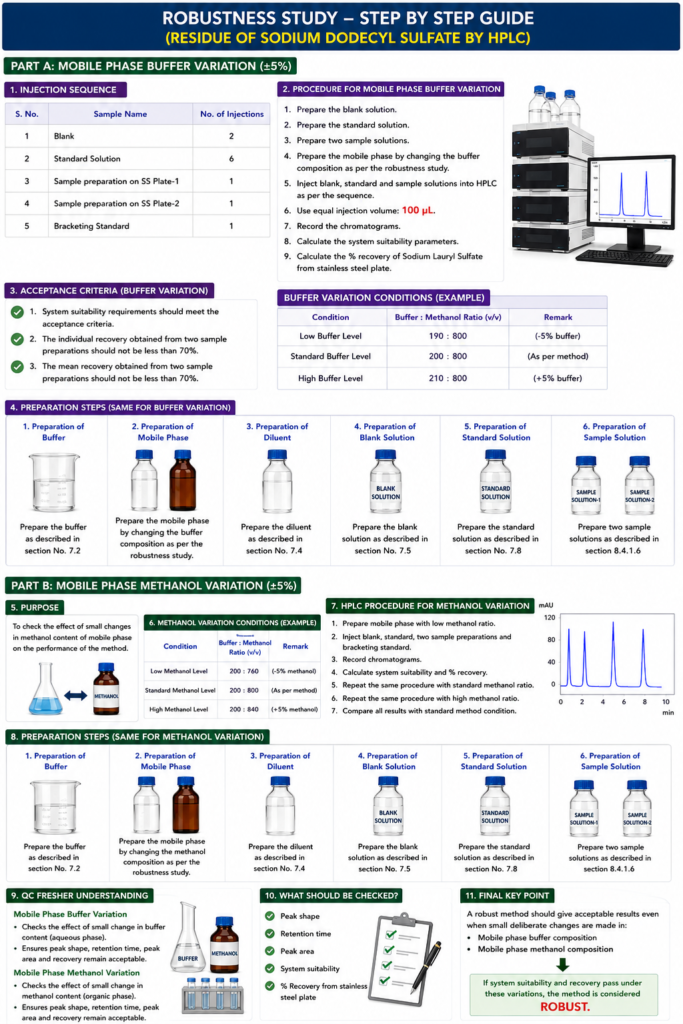
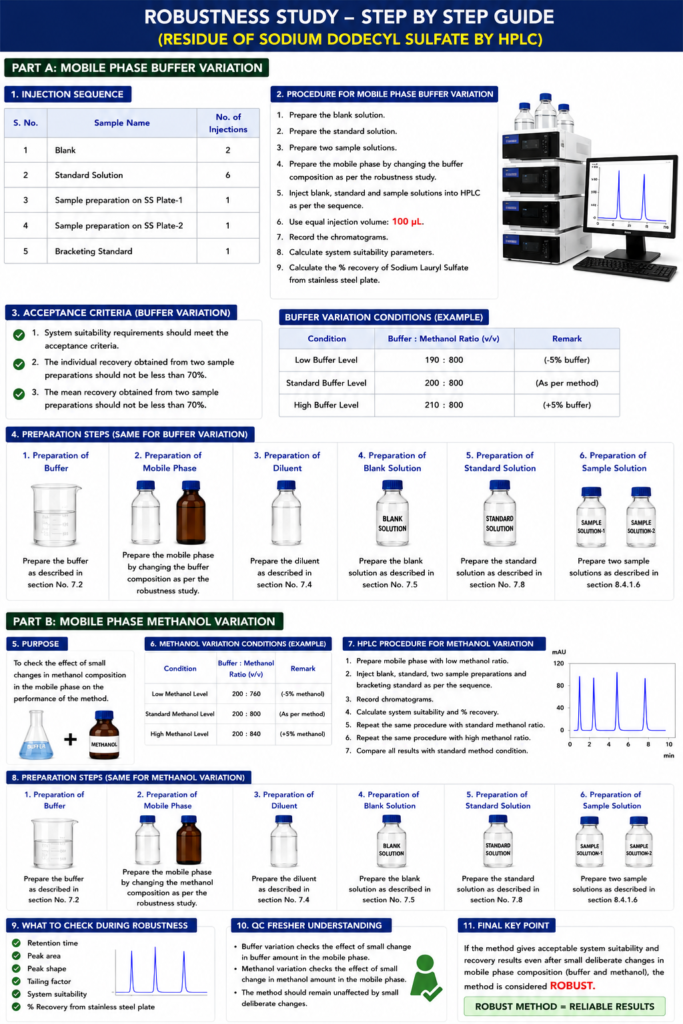
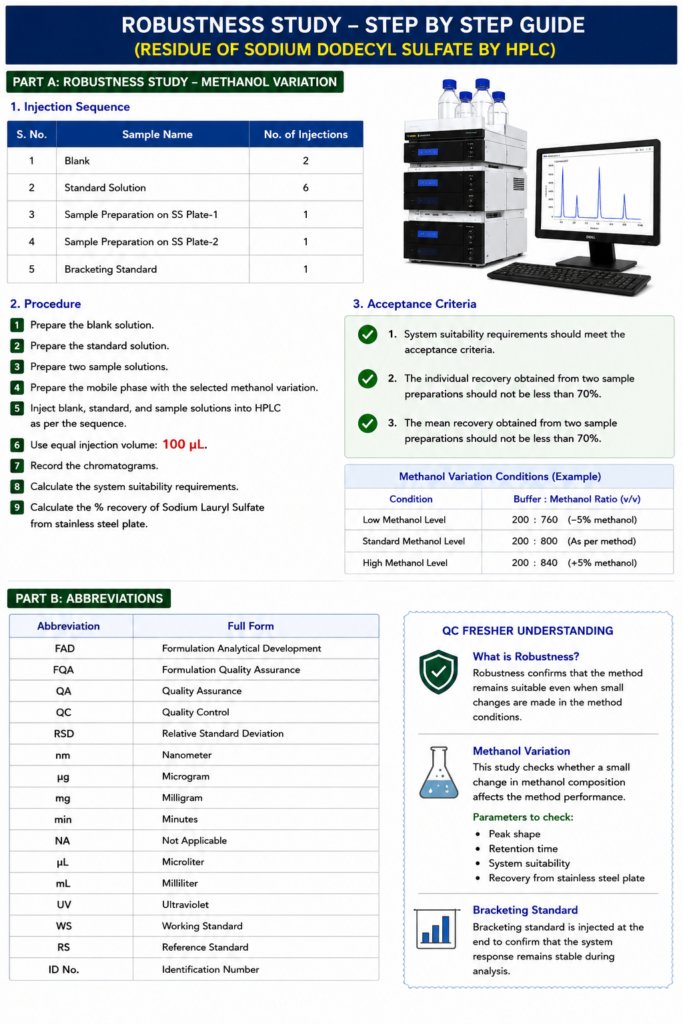
The method range was established from LOQ to 150%, equivalent to 4.663 ppm to 139.901 ppm. Mobile phase was stable up to 3 days on benchtop. Standard solution was stable for 28 hours on benchtop and 29 hours in refrigerator, while sample solution was stable for 26 hours on benchtop. Robustness passed for flow rate, column temperature, buffer and methanol variation.
Overall, the SLS HPLC method was successfully validated and found accurate, precise, specific, linear, robust and suitable for intended use.