







Aseptic practices in pharma are essential techniques used to prevent microbial, particulate, and pyrogen contamination during the manufacturing of sterile products such as injections, ophthalmic preparations, vaccines, and sterile powders. These practices ensure that products remain safe, pure, and effective for patient use.
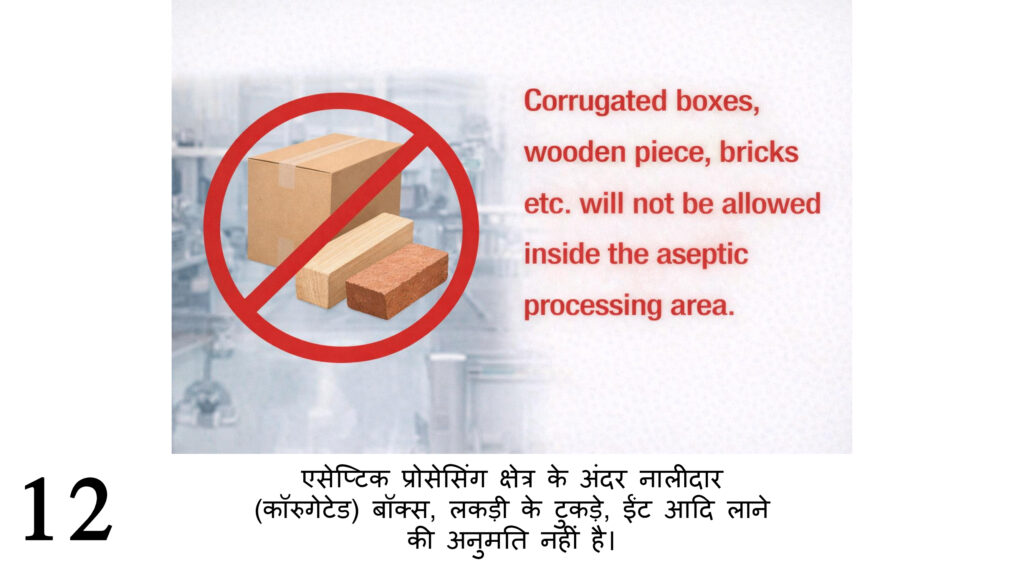
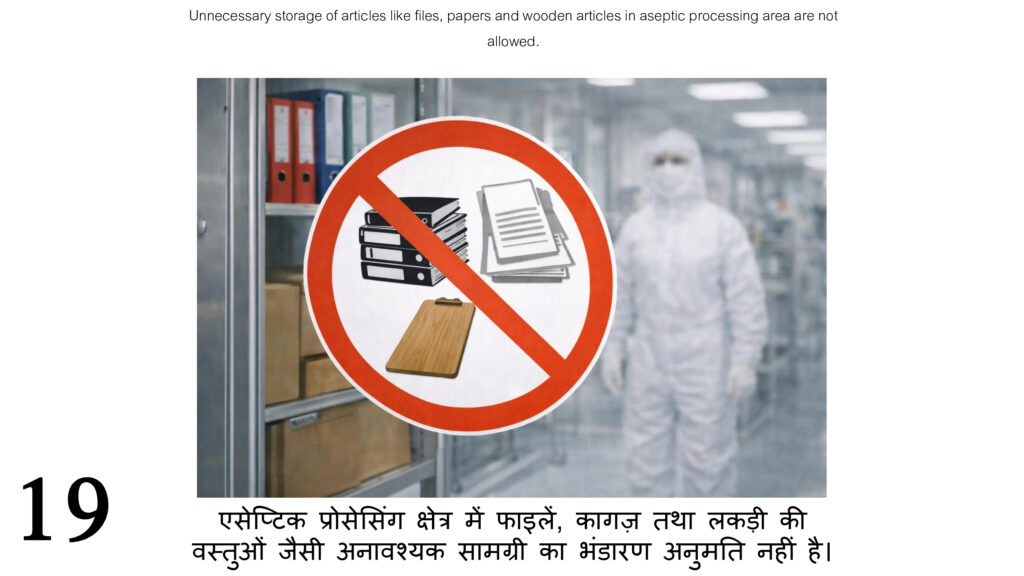
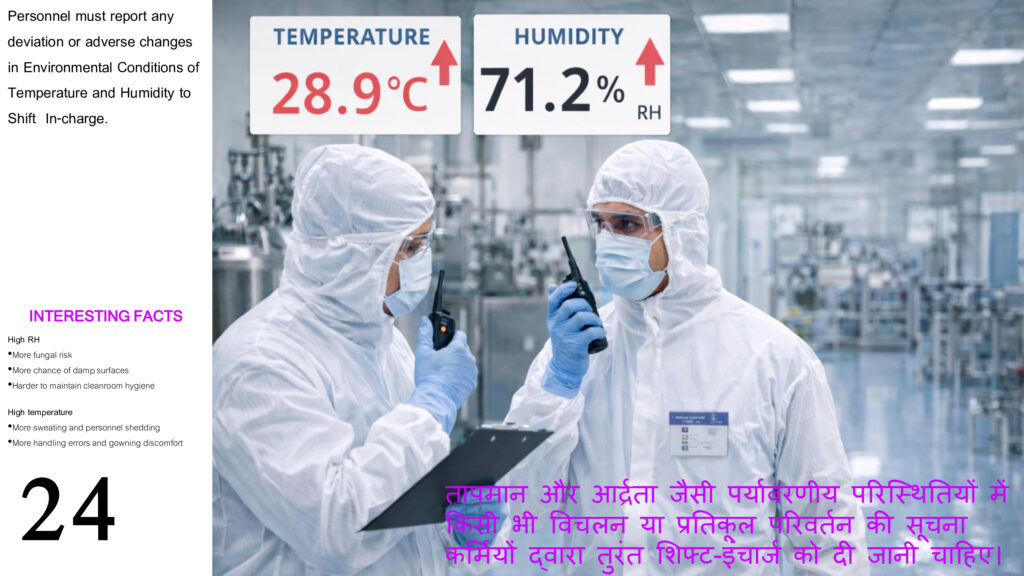
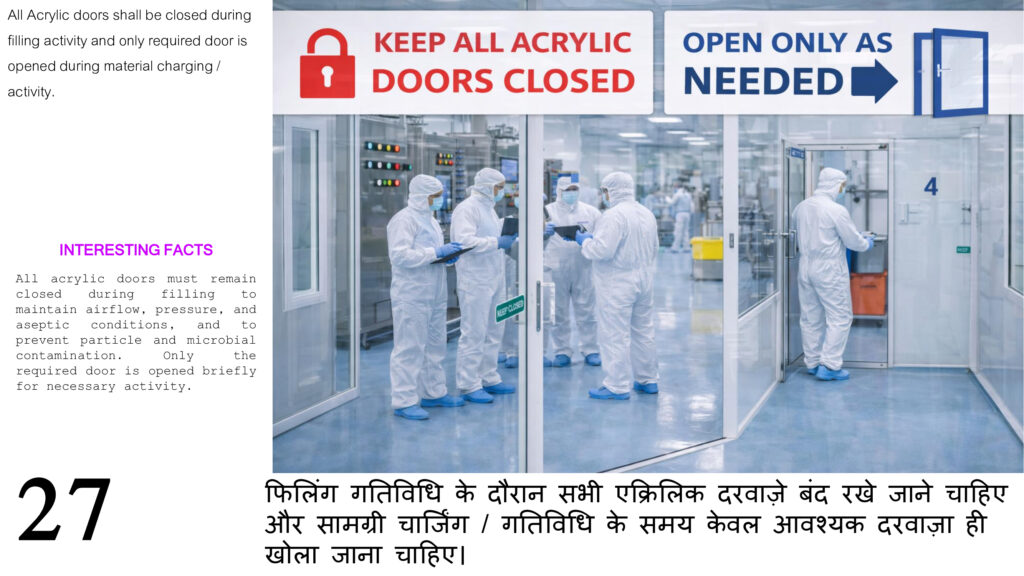
Aseptic processing is mainly performed in controlled cleanroom environments, where temperature, humidity, pressure differential, air changes, and particulate levels are strictly maintained. High-efficiency particulate air filters help provide clean air, while classified areas such as Grade A, B, C, and D are used according to the criticality of the operation.
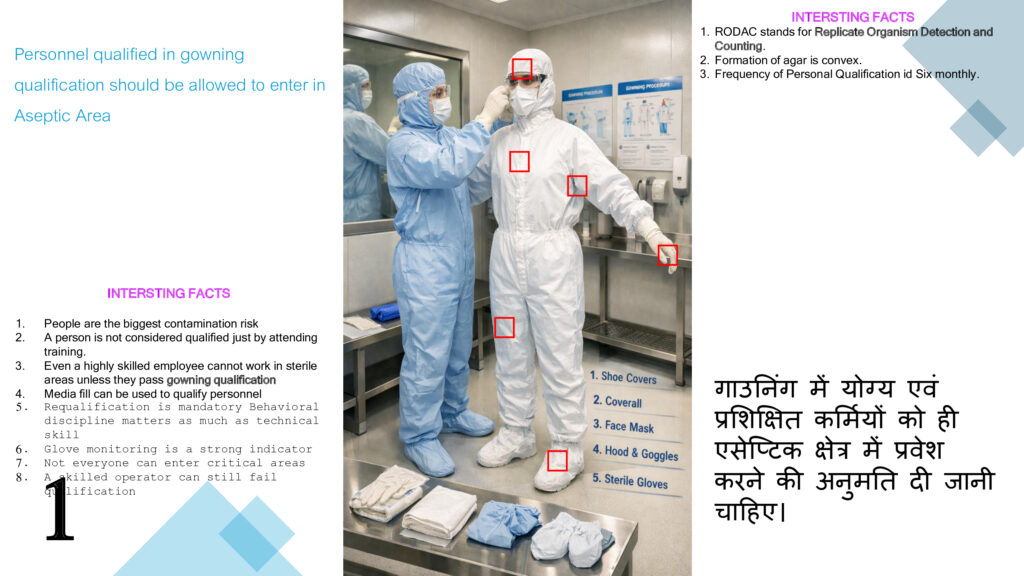
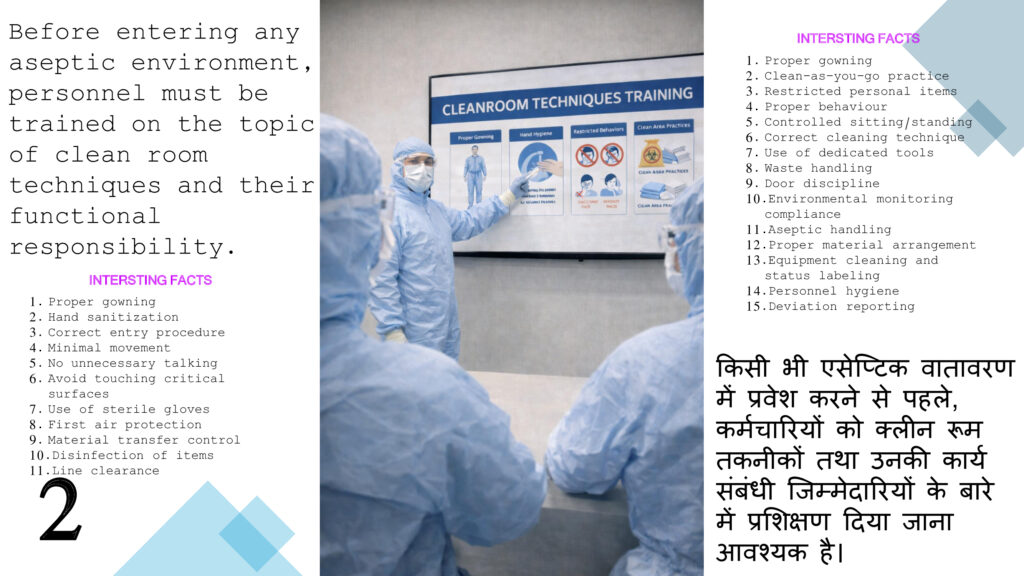
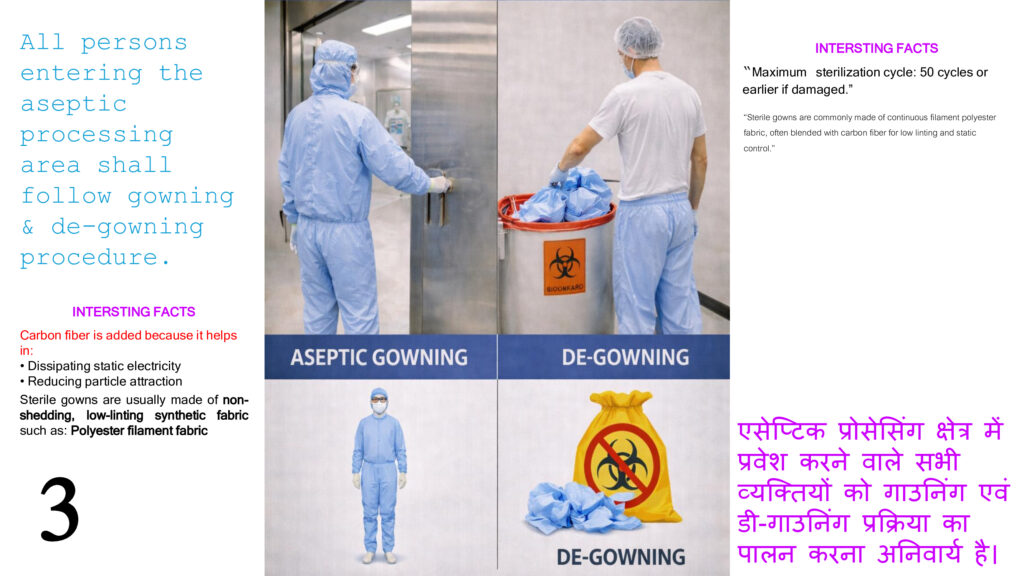
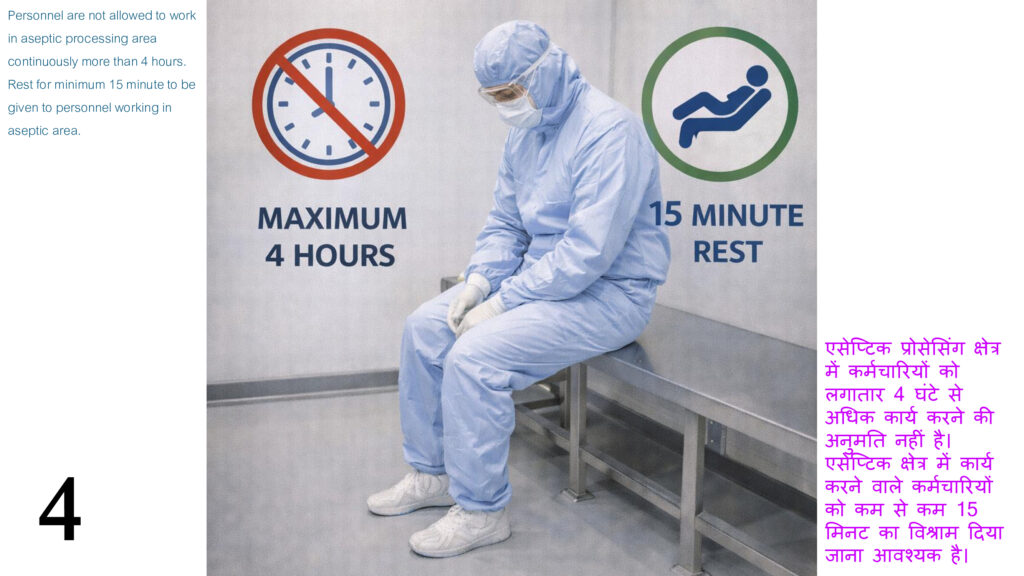
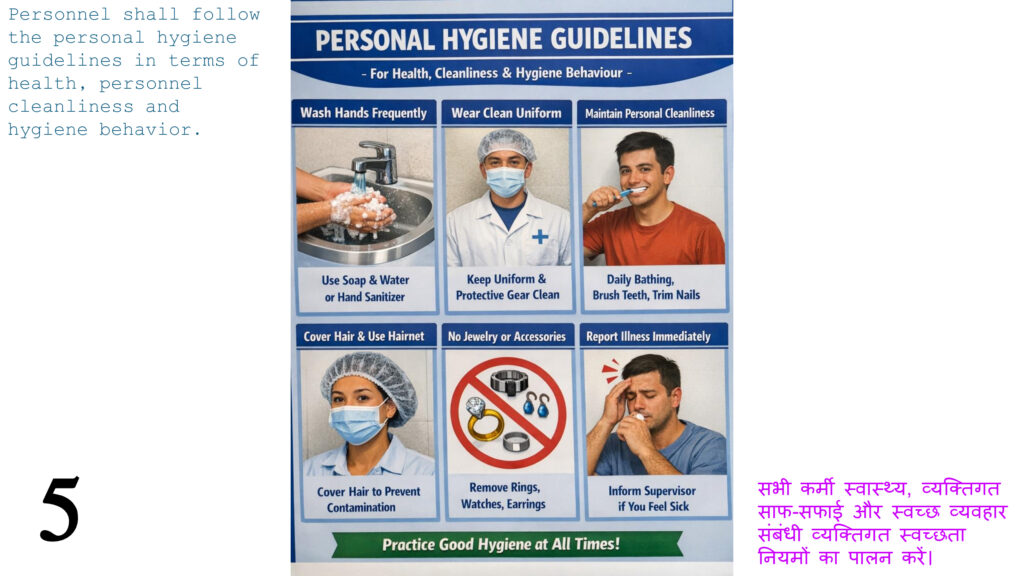
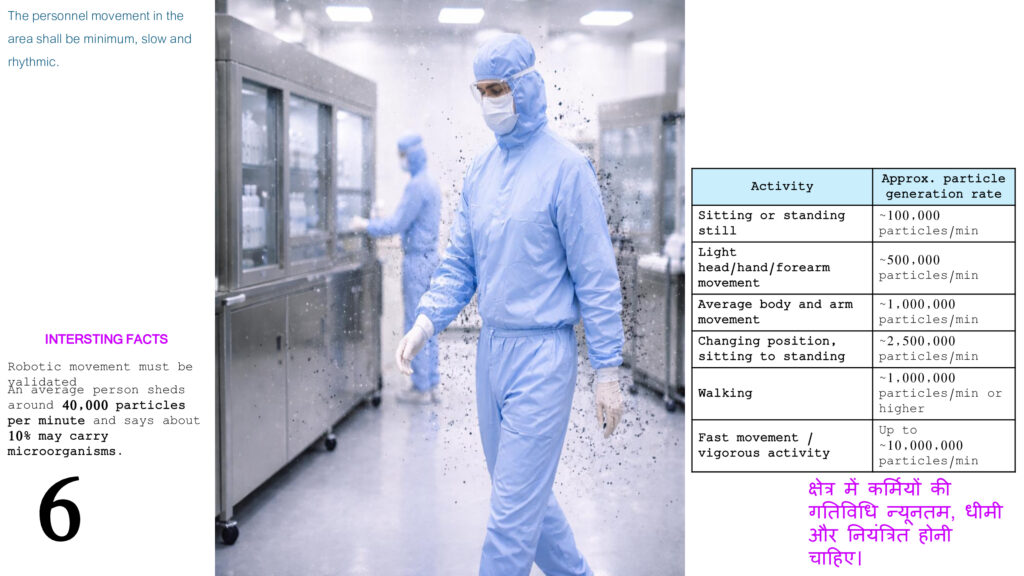
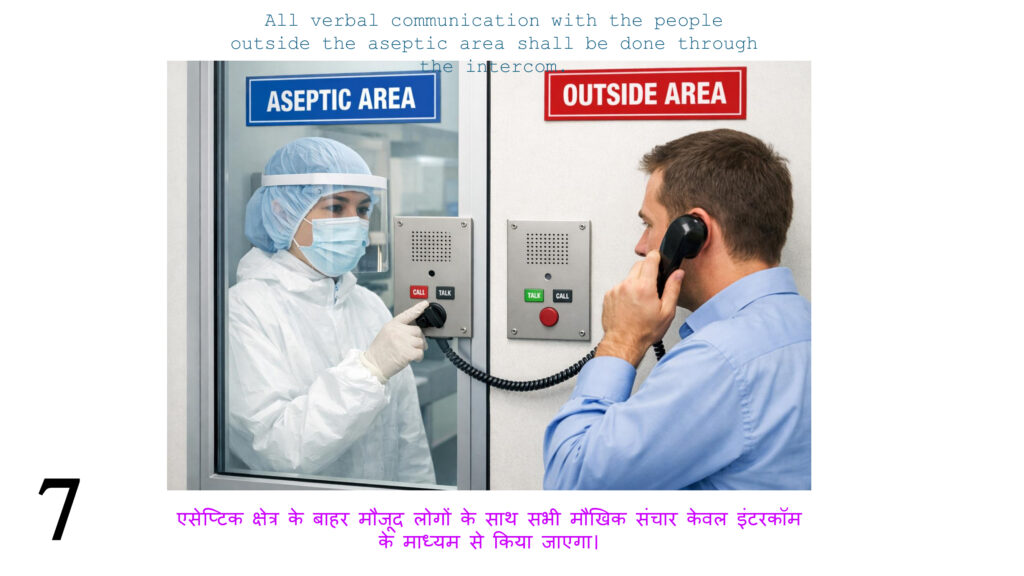
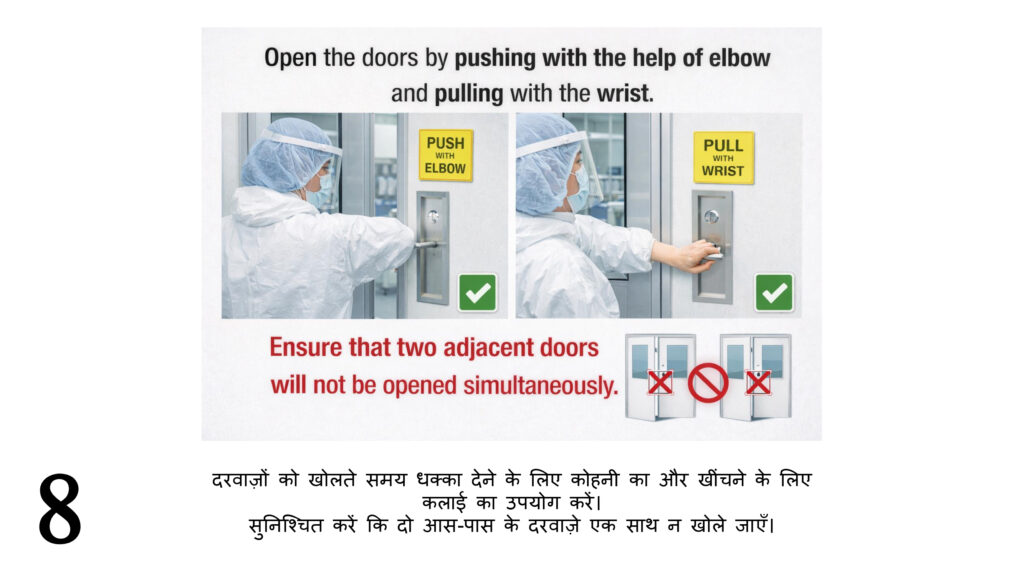
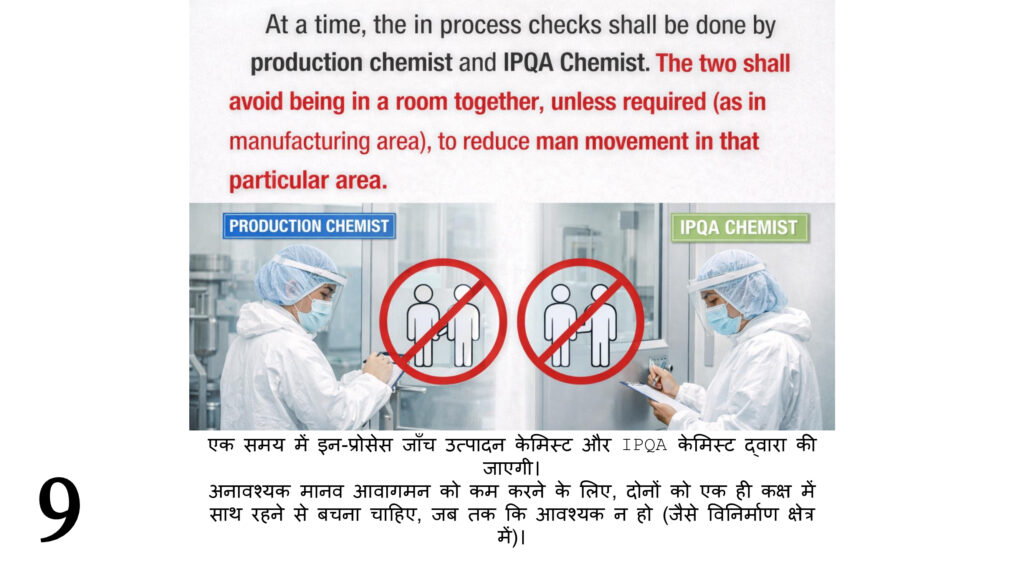
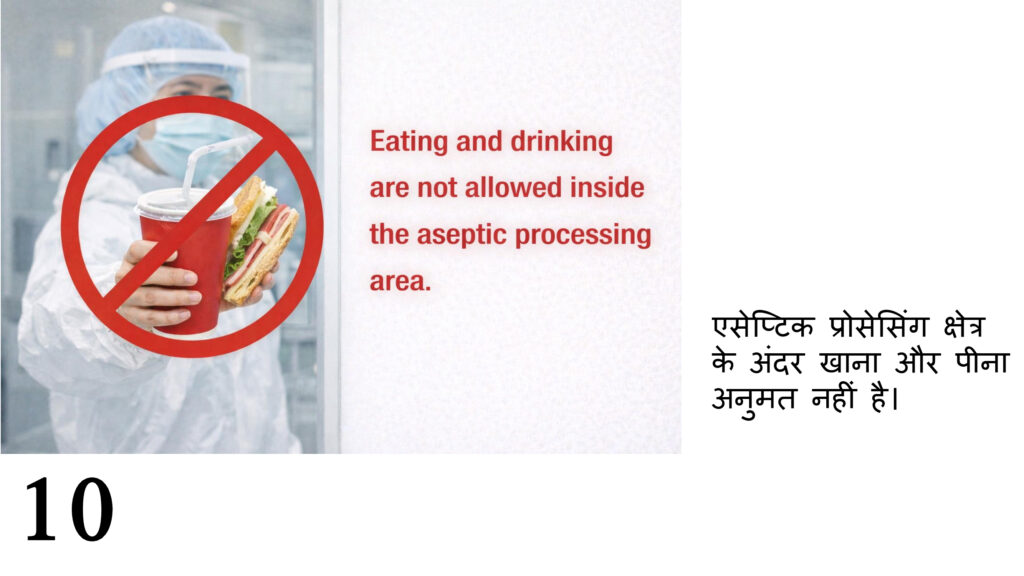
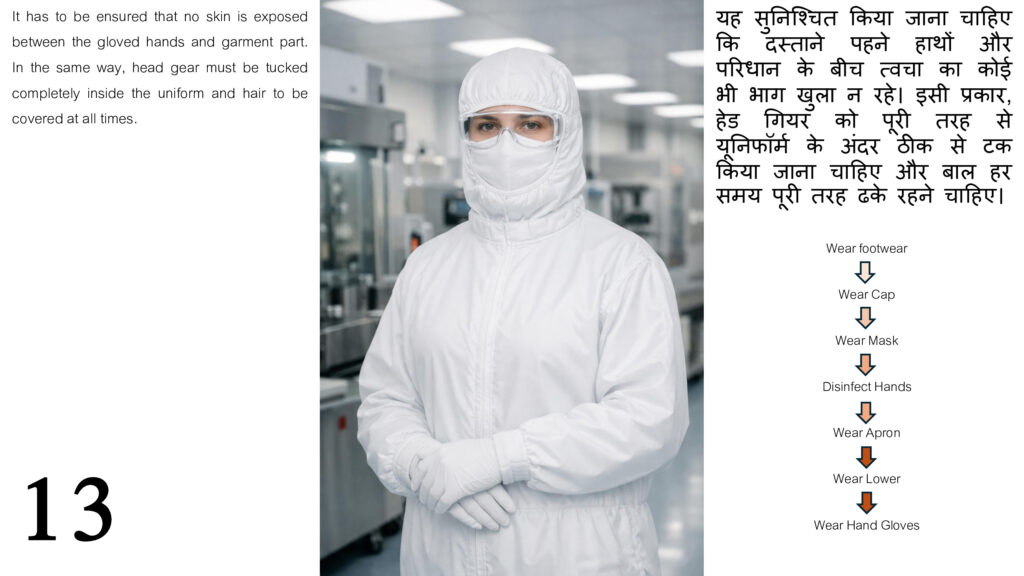
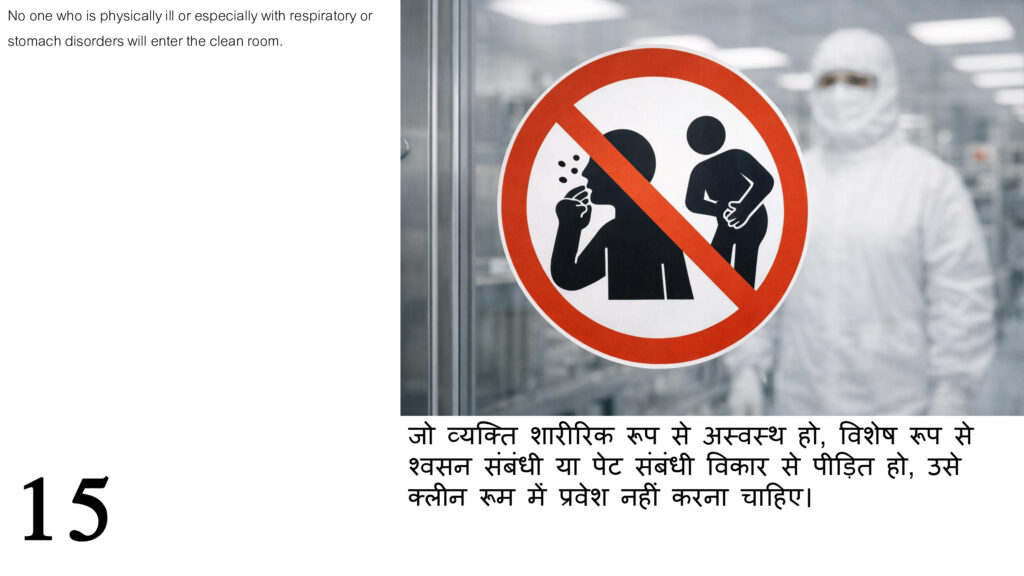
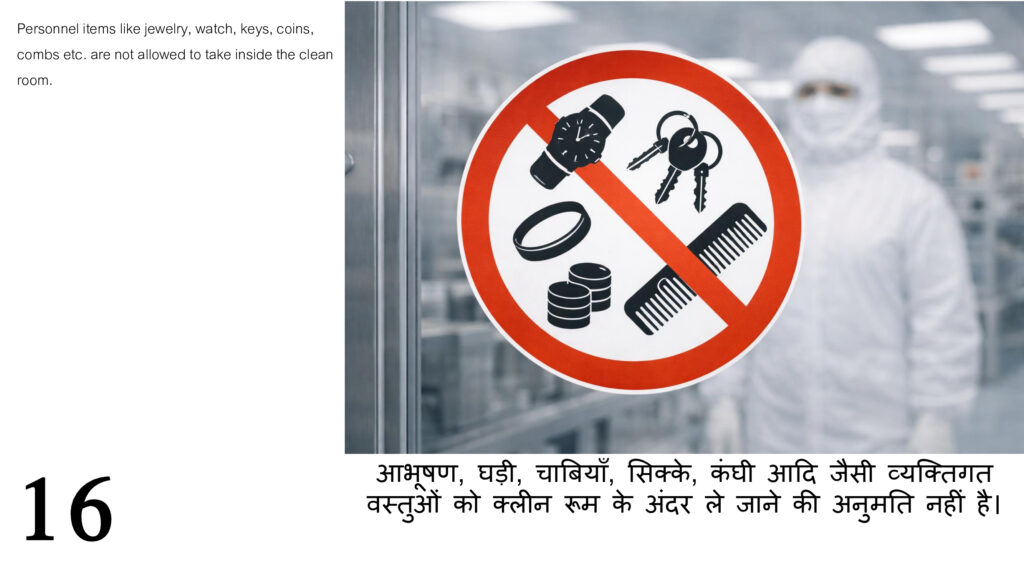
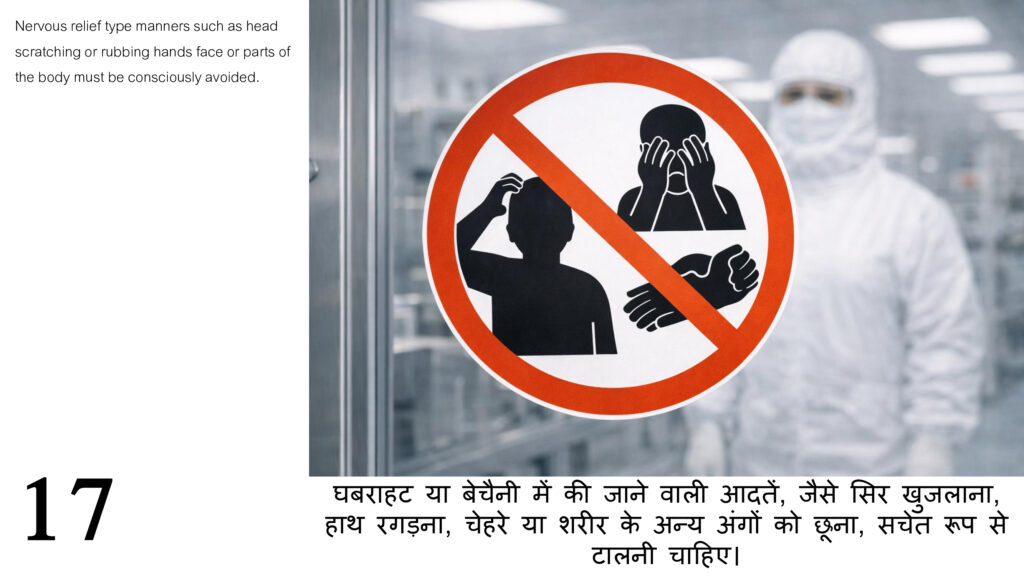
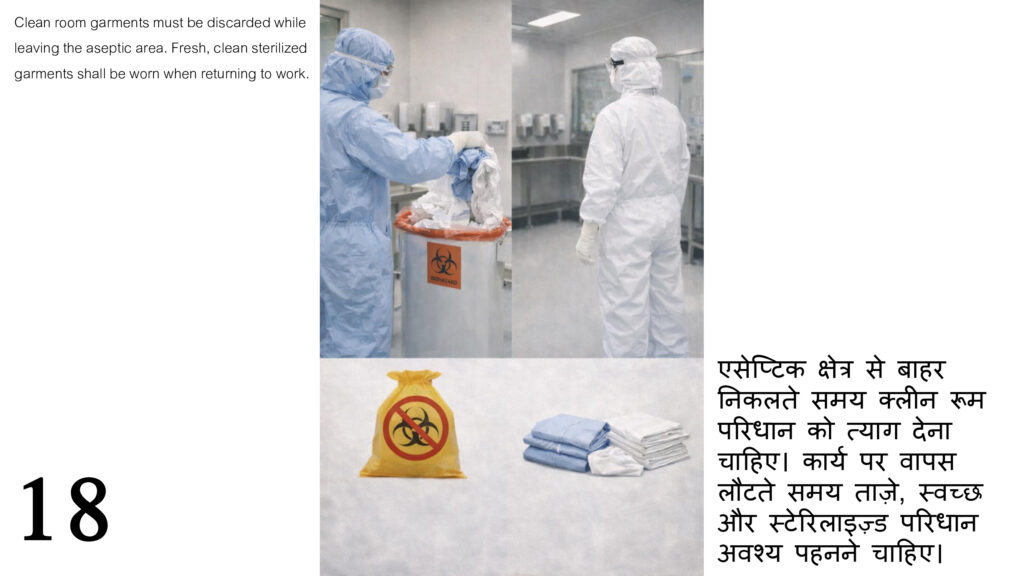
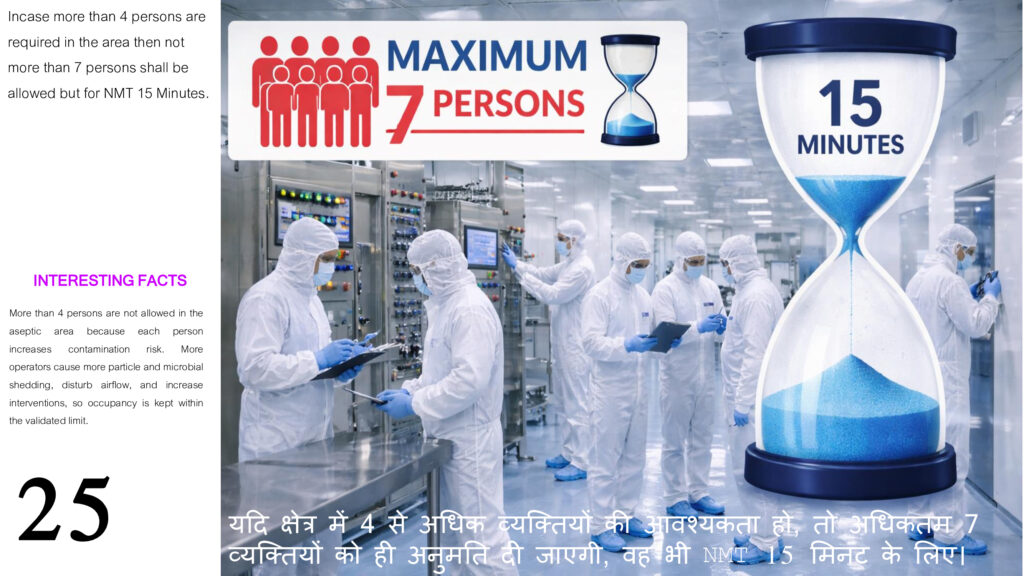
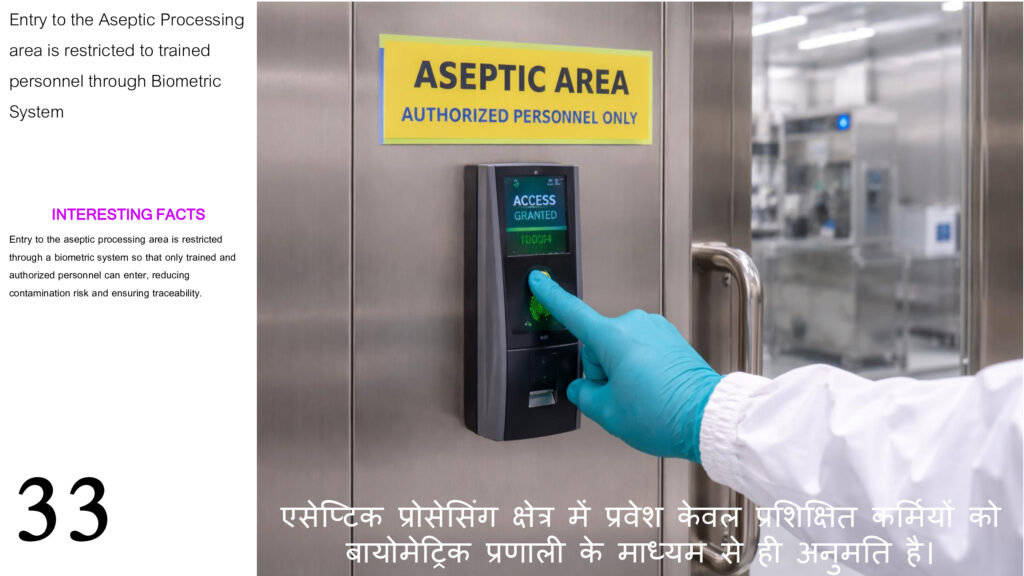
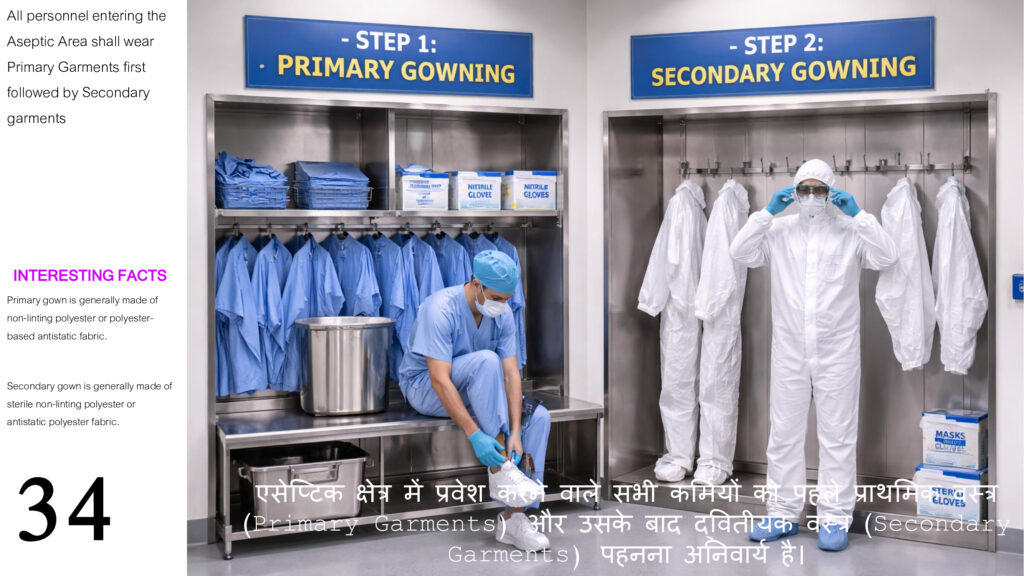
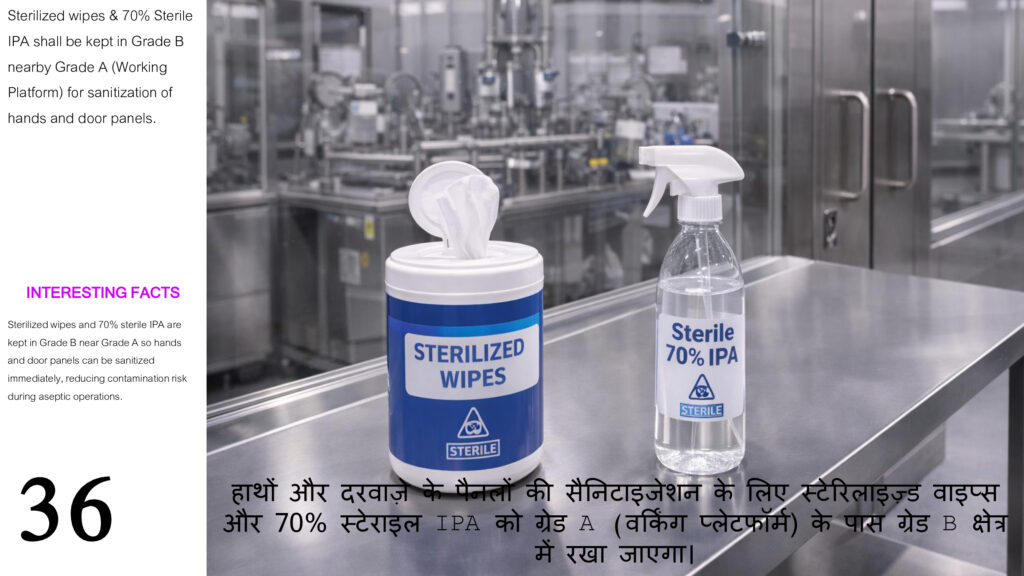
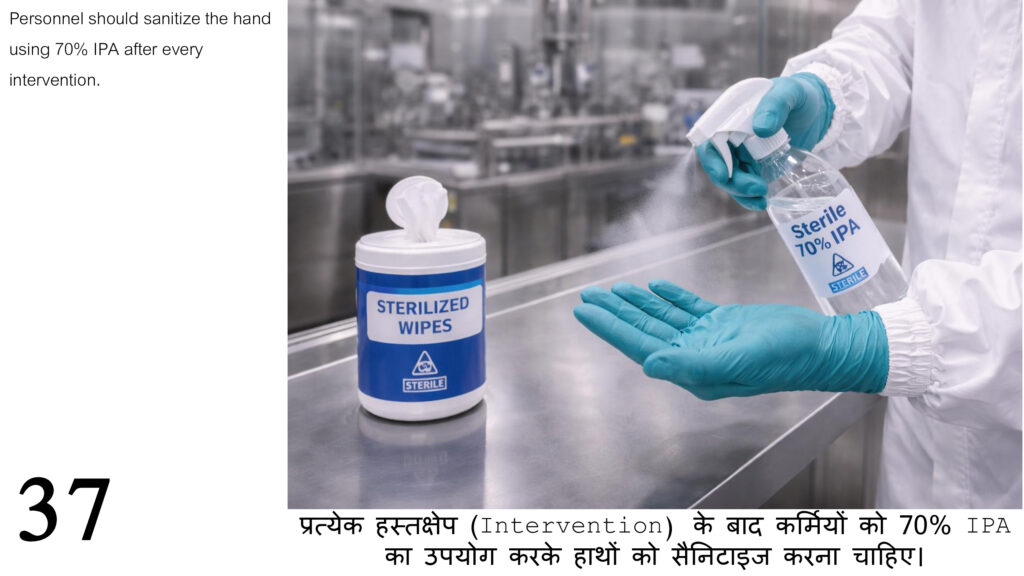
Personnel play a major role in maintaining asepsis. Proper gowning, hand hygiene, restricted movement, and disciplined behavior are required inside sterile areas. Operators must avoid unnecessary talking, touching sterile surfaces, and rapid movements that may disturb airflow or generate particles. Regular training and qualification of personnel are important to ensure compliance with aseptic techniques.
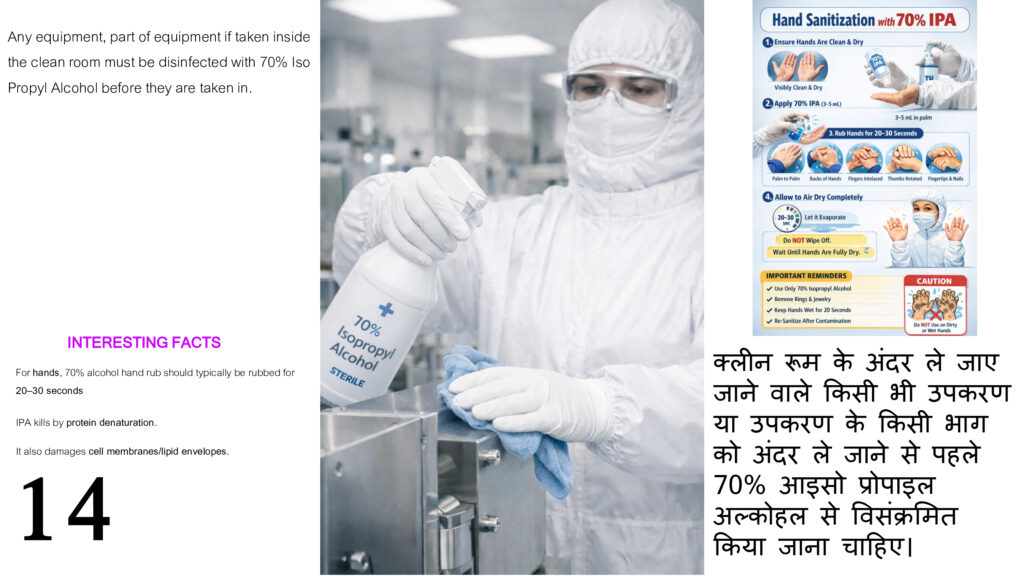
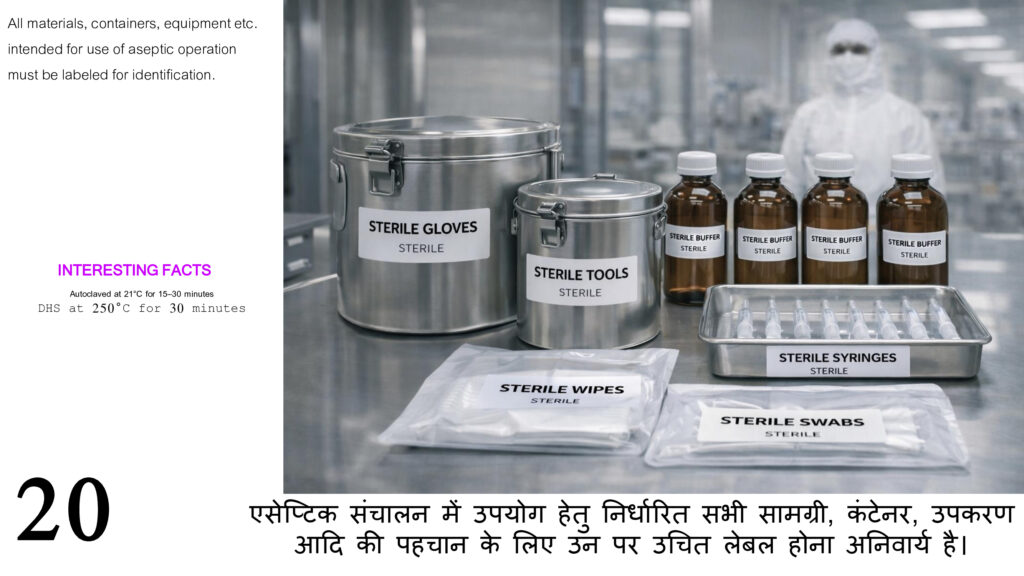
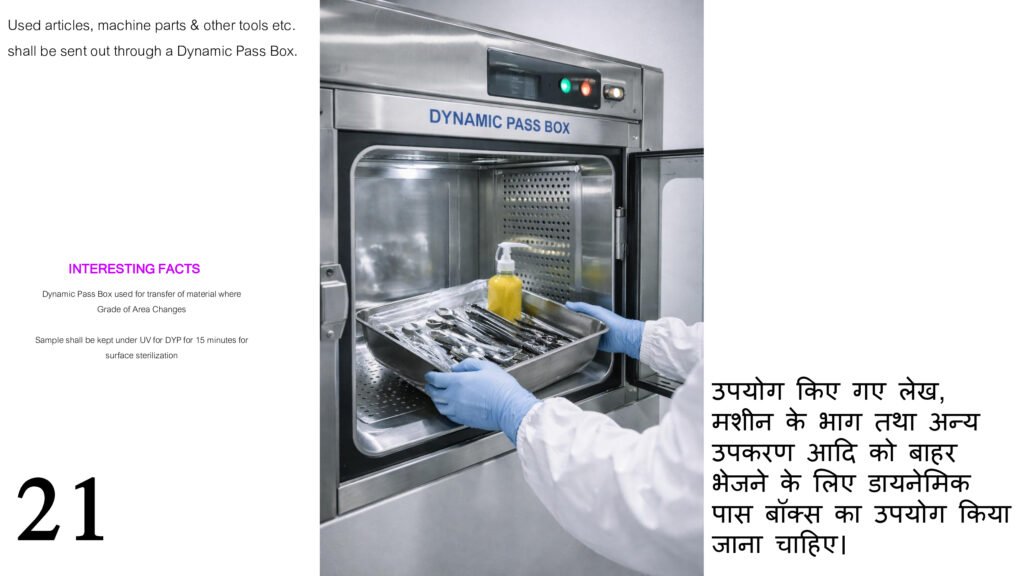
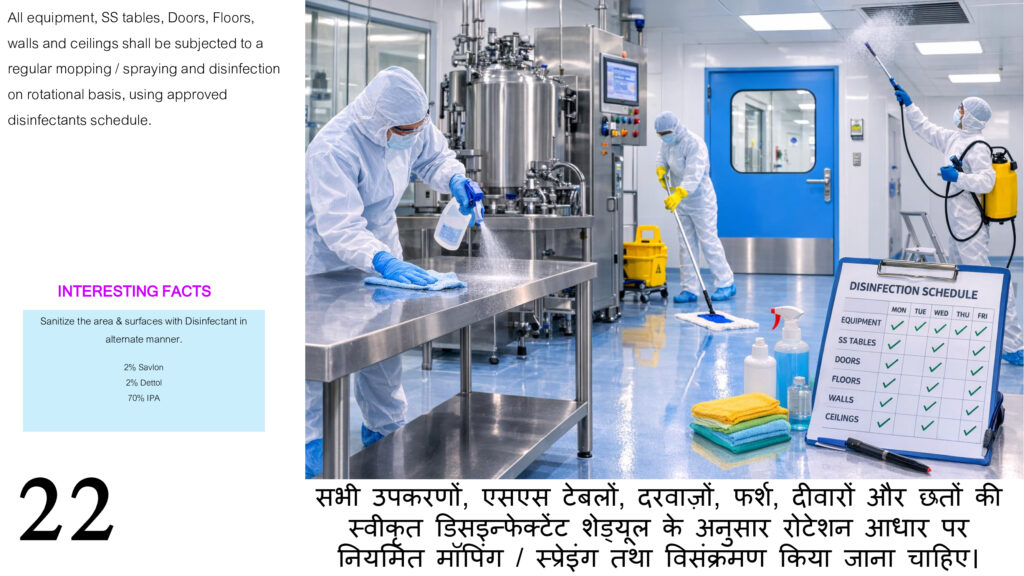
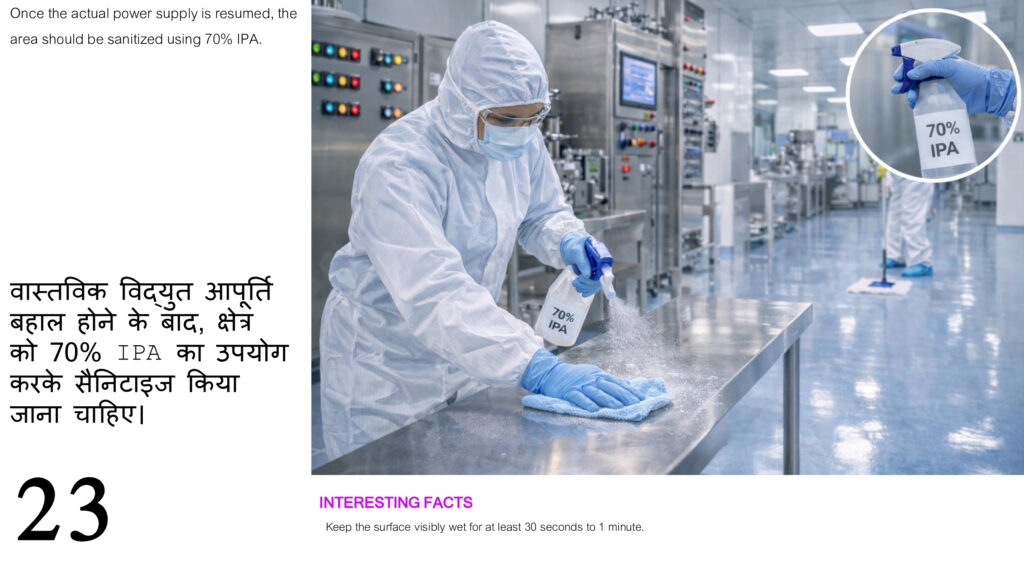
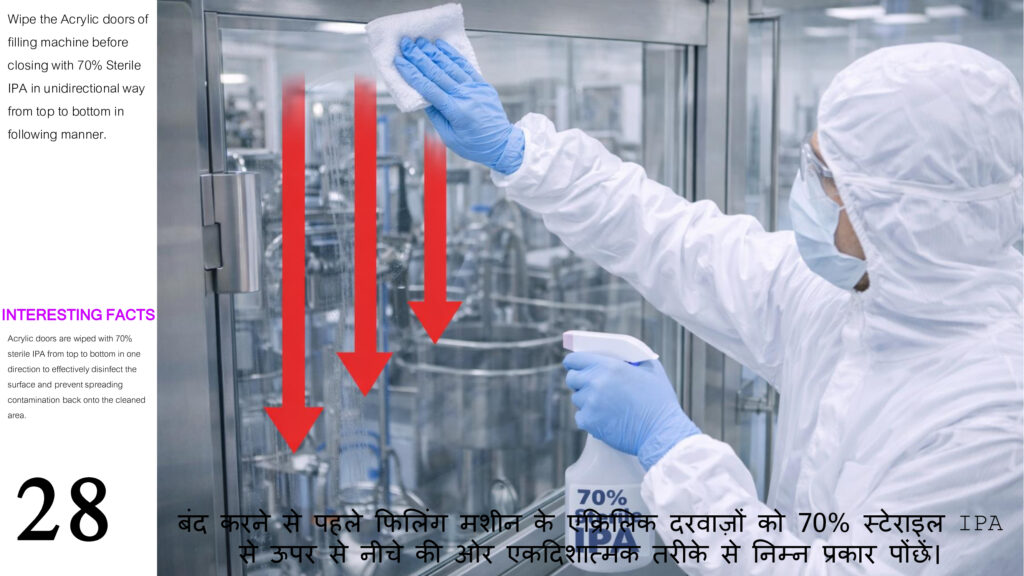
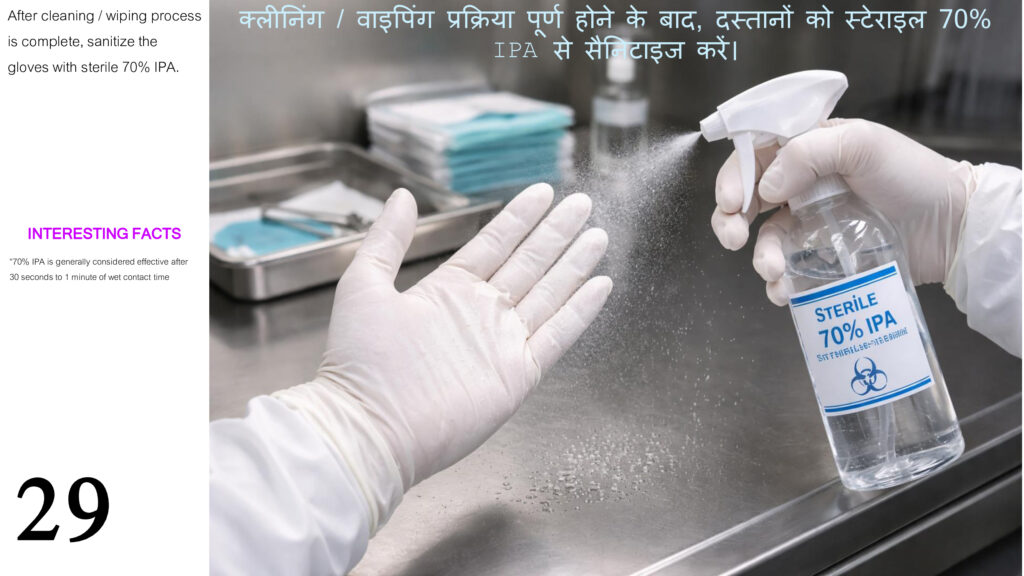
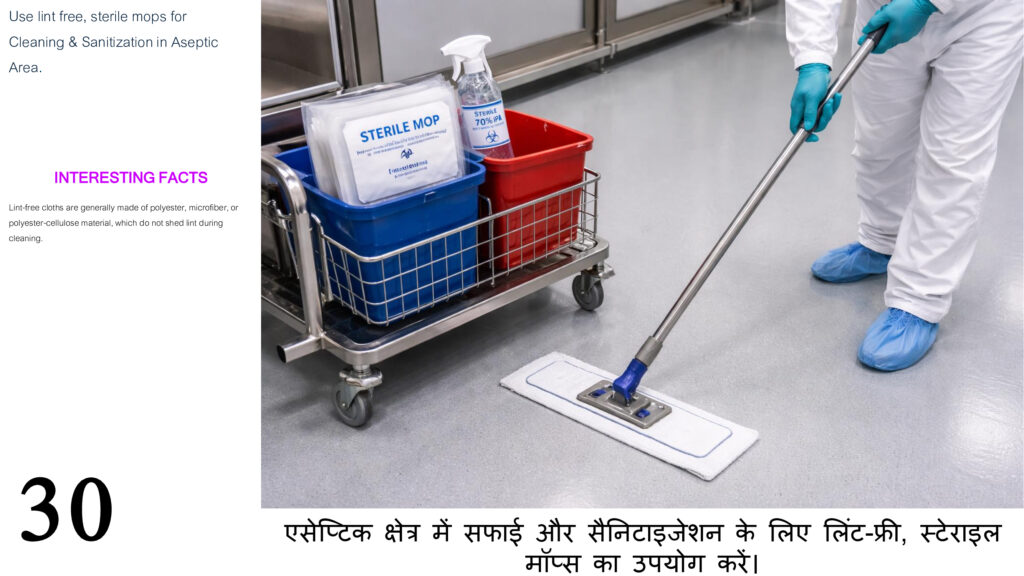
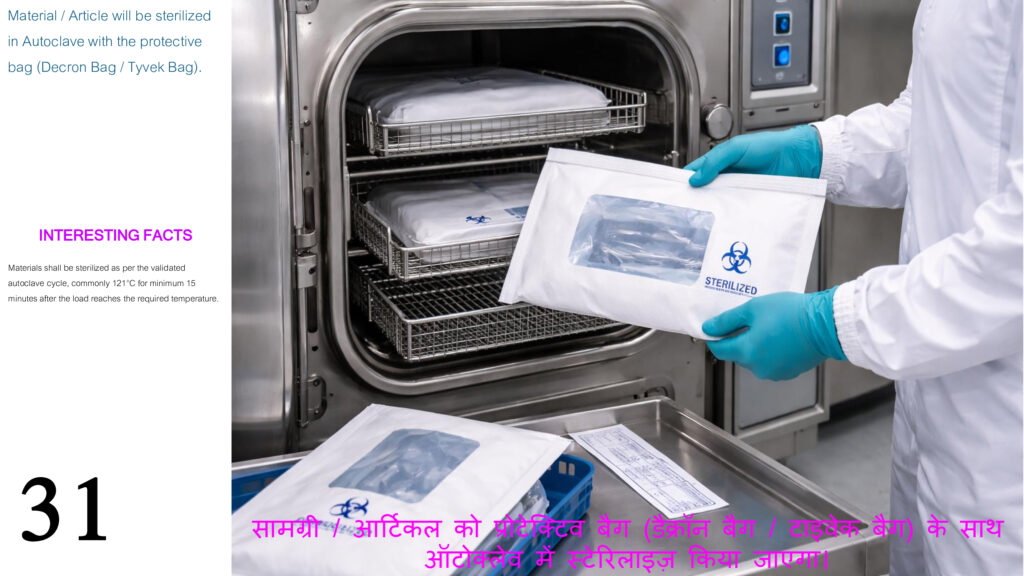
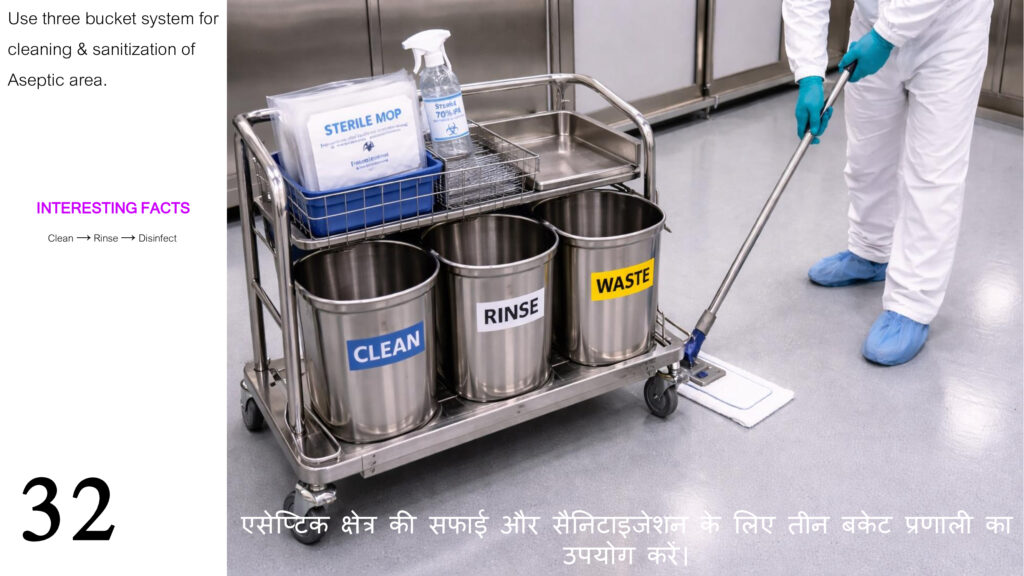
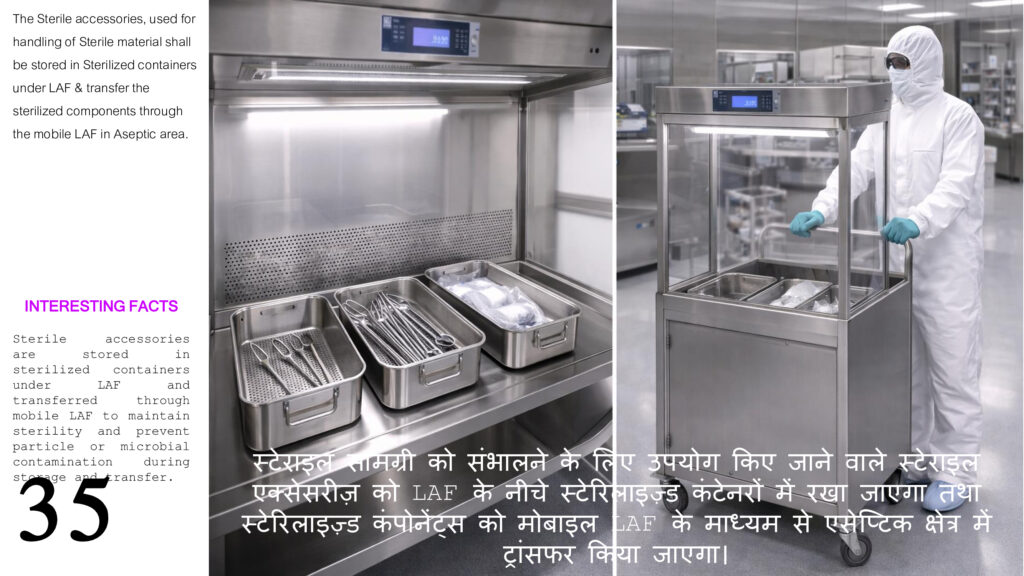
Cleaning and disinfection are also critical parts of aseptic practices. Cleanrooms, equipment, tools, and work surfaces must be cleaned using approved disinfectants and sterile materials. Disinfectant rotation helps prevent microbial resistance. Sterilization methods such as autoclaving, dry heat sterilization, filtration, and chemical sterilization are used for equipment, components, containers, closures, and solutions.
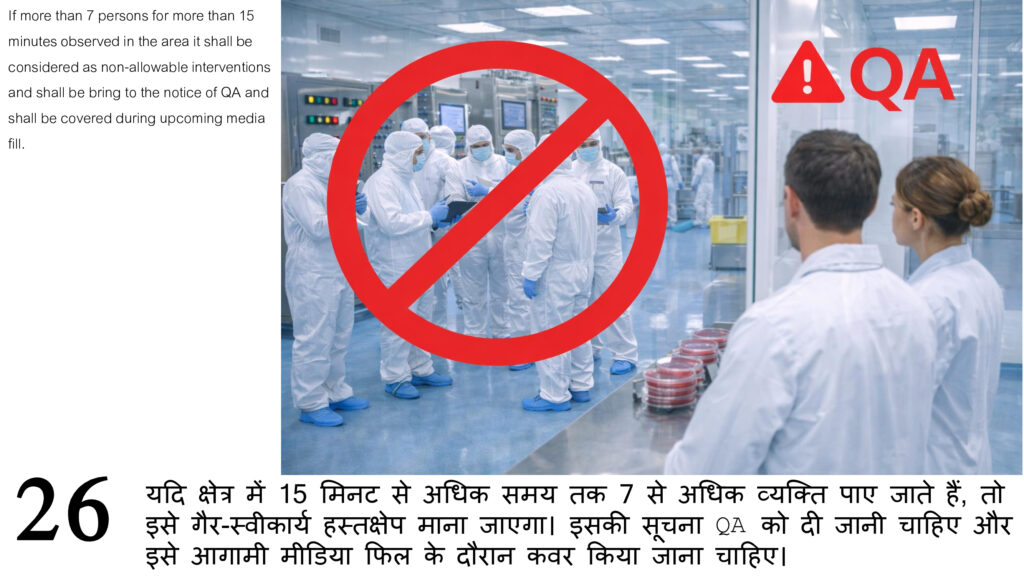
Line clearance, environmental monitoring, and process monitoring help verify that the area and process remain under control. Microbial monitoring of air, surfaces, personnel, and utilities helps detect contamination risks early. Media fill simulations are performed to demonstrate that the aseptic process can consistently produce sterile products.
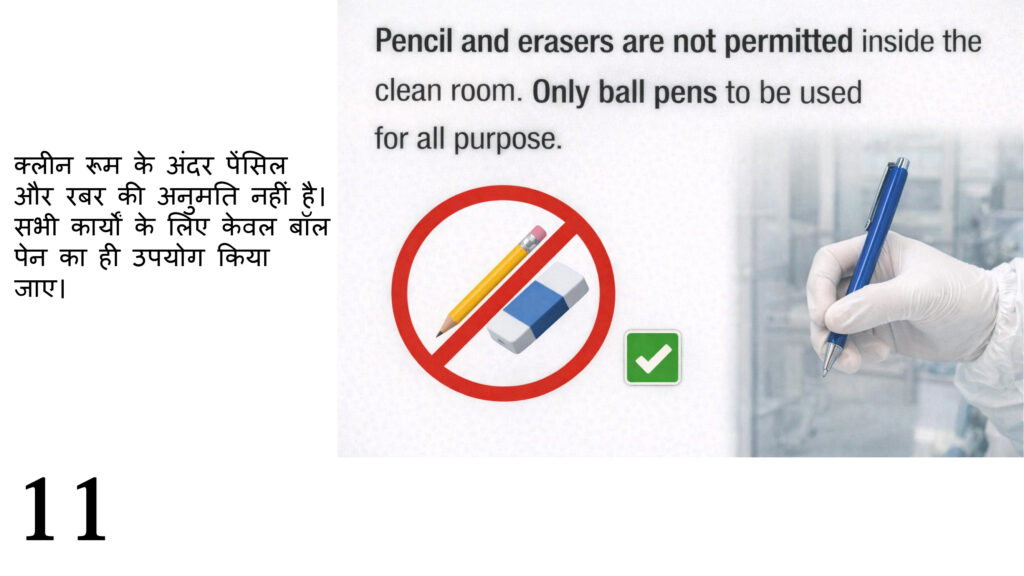
Good documentation is necessary for recording cleaning, sterilization, monitoring, deviations, interventions, and batch activities. Any contamination risk or aseptic breach must be investigated immediately.
Overall, aseptic practices in pharma are a combination of facility control, trained personnel, validated processes, effective cleaning, and continuous monitoring to ensure sterile product quality and patient safety.