Chemical SOP
Microbiology SOP
Warehouse SOP
Manufacturing SOP
Information technology SOP
admin

admin

RISK BASED INSPECTION (SCHEDULE M -POINT (4.1, 4.2 & 4.3)

RISK BASED INSPECTION (SCHEDULE M -POINT (4.1, 4.2 & 4.3)

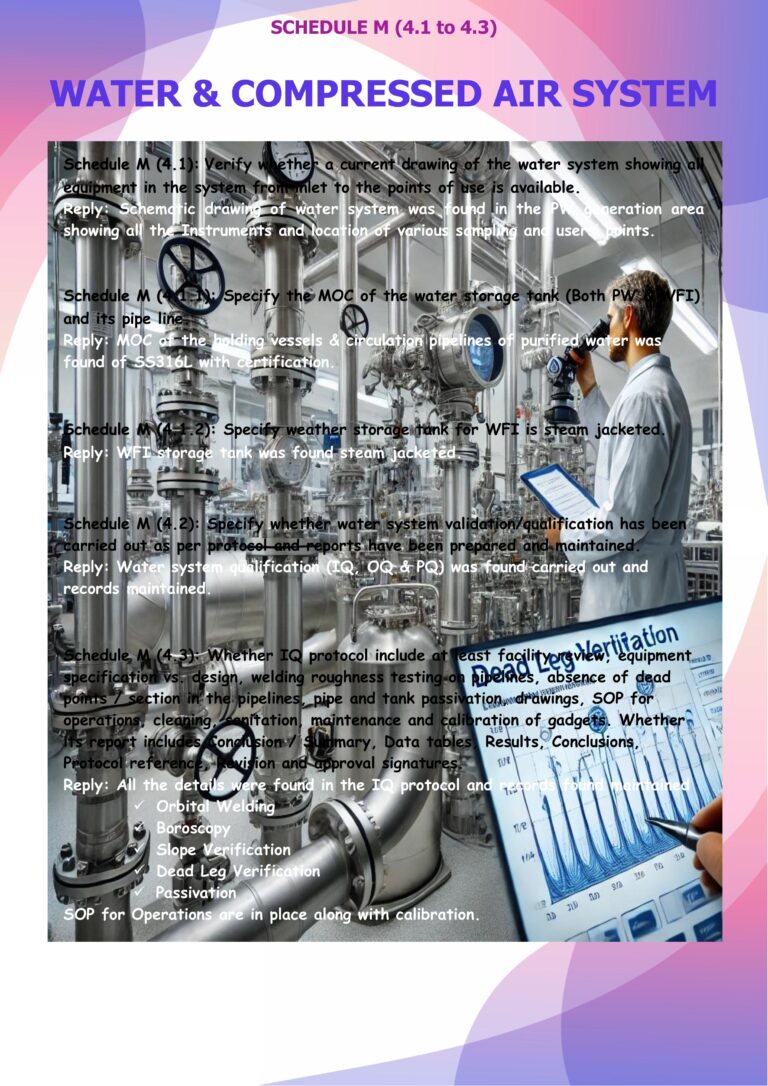
In a risk-based inspection (RBI), Schedule M points 4.1–4.3 (in the CDSCO RBI checklist under Water & Compressed air system) are treated as critical utility controls, because an uncontrolled water system can cause microbial/chemical contamination, endotoxin risk, and batch impact…

RISK BASED INSPECTION (SCHEDULE M -POINT (3.1, 3.2, 3.3 & 3.4)

RISK BASED INSPECTION (SCHEDULE M -POINT (3.1, 3.2, 3.3 & 3.4)

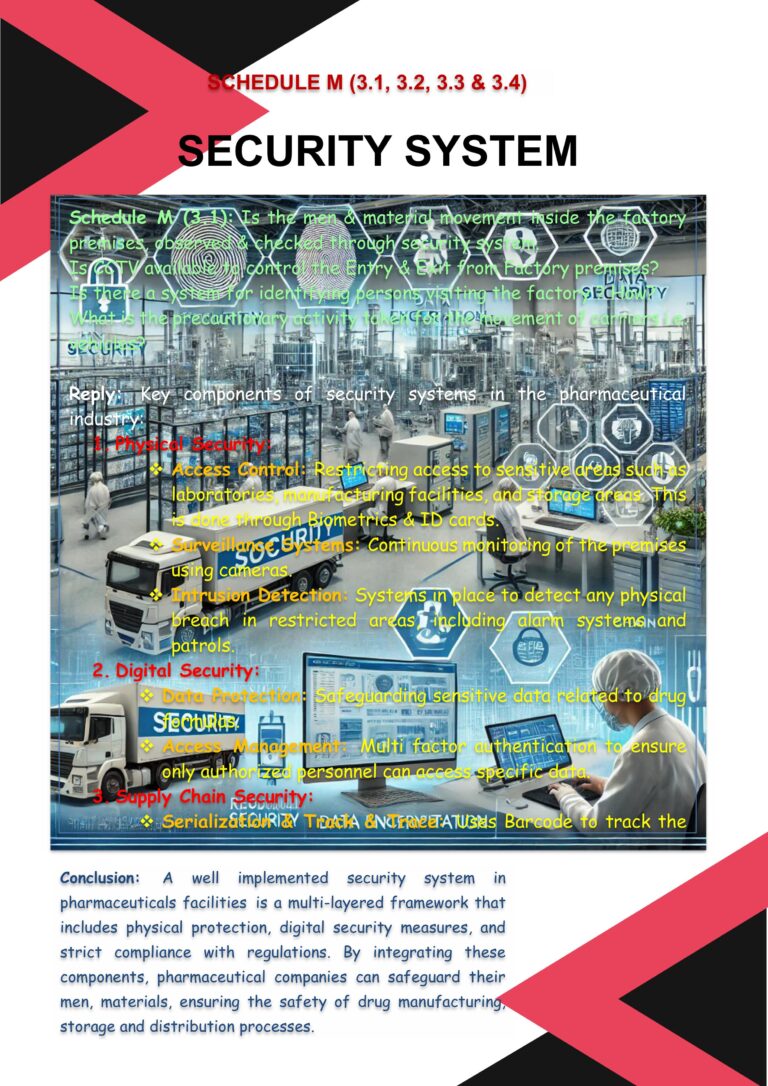
In a risk-based inspection (RBI), Schedule M (Sterile Products) points 3.1–3.4 “Sanitation” are assessed as direct controls for sterility assurance and contamination control—because ineffective cleaning/disinfection can immediately impact Grade A/B/C/D areas and lead to environmental excursions or sterility failures. 3.1…

RISK BASED INSPECTION (SCHEDULE M-POINT 2.6)

RISK BASED INSPECTION (SCHEDULE M-POINT 2.6)

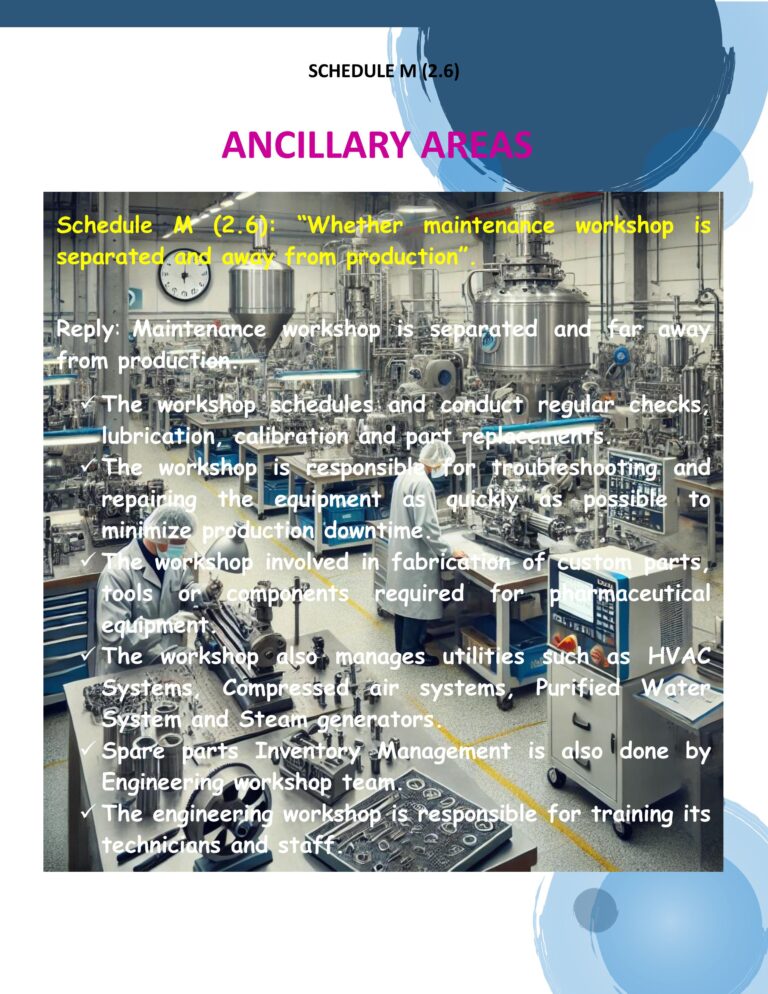
In Schedule M (Part I), Point 2.6 sits under “Warehousing Area” and requires that rejected, recalled, or returned materials/products are segregated in storage, with the area/items clearly marked, secured, and access restricted to authorized persons. Why Point 2.6 matters in…

RISK BASED INSPECTION (SCHEDULE M-POINT 2.4)

RISK BASED INSPECTION (SCHEDULE M-POINT 2.4)

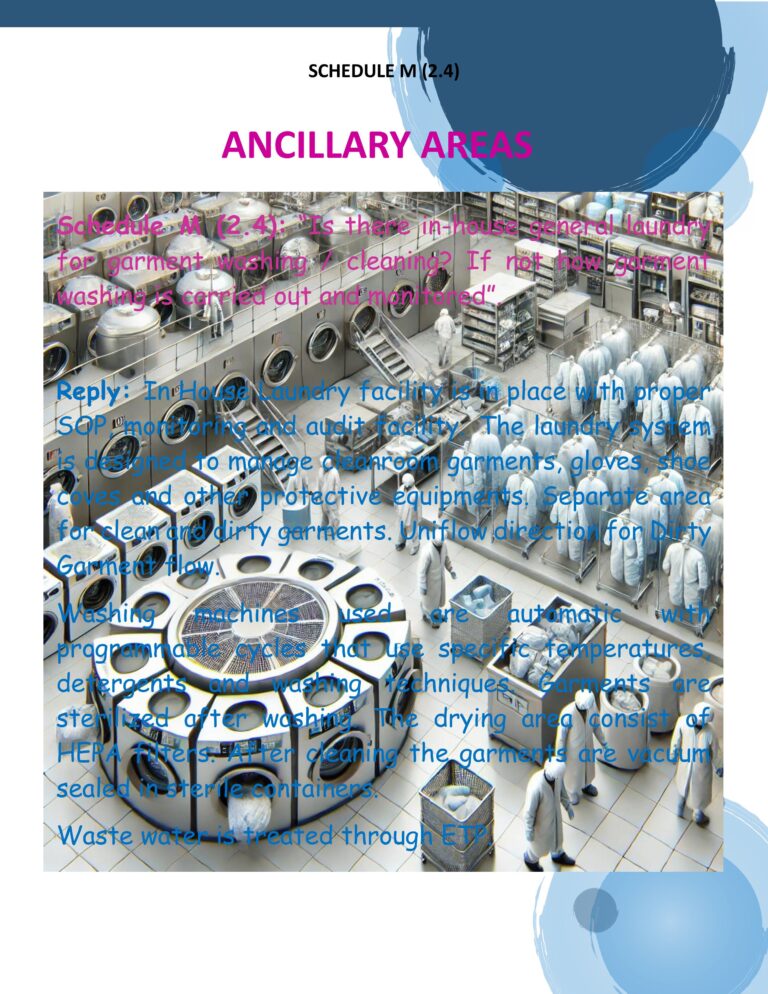
In a risk-based inspection (RBI), Schedule M – Point 2.4 (Quarantine controls in warehouse/store) is assessed as a critical “quality gate” because quarantine is the main barrier preventing unreleased/untested materials or products from entering manufacturing or dispatch. What Point 2.4…

RISK BASED INSPECTION (SCHEDULE M-POINT 2.4)

RISK BASED INSPECTION (SCHEDULE M-POINT 2.4)

In a risk-based inspection (RBI), Schedule M – Point 2.4 (Warehousing area) is assessed as a high-severity mix-up and quality-gate control, because quarantine is the main barrier preventing unreleased/untested materials or products from entering manufacturing or dispatch. Regulatory intent (what…

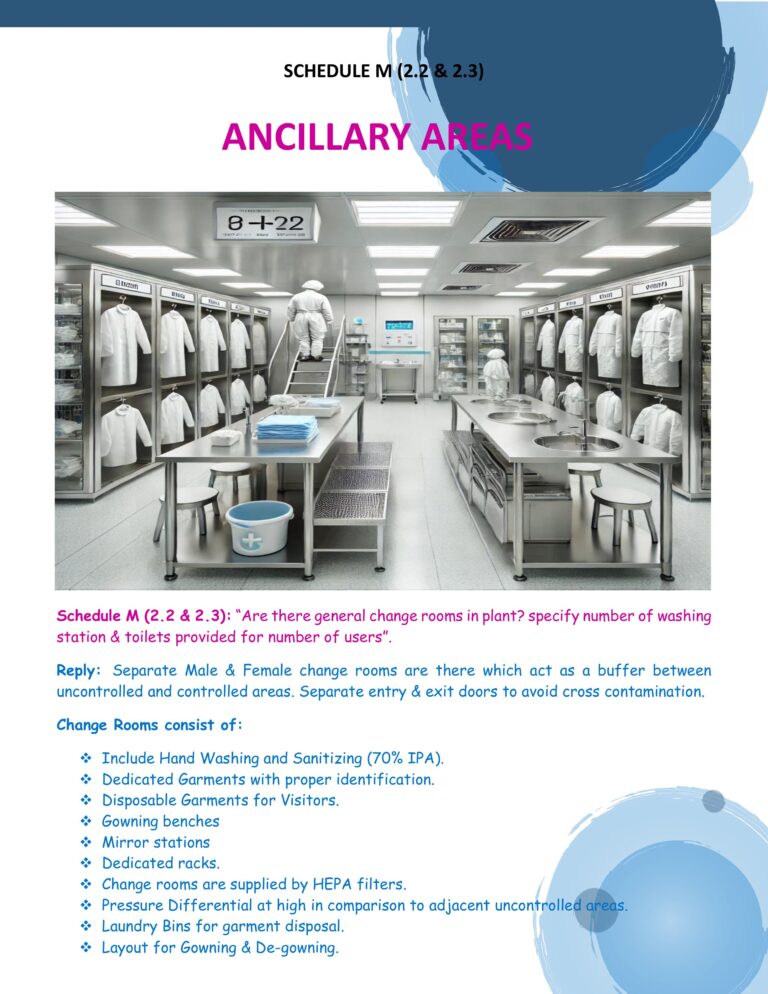
RISK BASED INSPECTION (SCHEDULE M-POINT 2.2 & 2.3)

RISK BASED INSPECTION (SCHEDULE M-POINT 2.2 & 2.3)

In a risk-based inspection (RBI), Schedule M points 2.2 and 2.3 are assessed under warehousing and material movement controls, because weak storage/receiving practices can lead to temperature/humidity damage, contamination, mix-ups, and use of unreleased materials—all of which directly impact patient…

RISK BASED INSPECTION (SCHEDULE M-POINT 2.1)

RISK BASED INSPECTION (SCHEDULE M-POINT 2.1)

In a risk-based inspection (RBI), Schedule M point 2.1 (Warehousing area) is assessed as a mix-up and quality-preservation control, because storage weaknesses can trigger wrong-material use, status errors (quarantine vs released), deterioration, contamination, and recall failures. Point 2.1 requires adequate…

RISK BASED INSPECTION (SCHEDULE M-POINT 1.7)

RISK BASED INSPECTION (SCHEDULE M-POINT 1.7)

In a risk-based inspection (RBI), Schedule M – Point 1.7 is assessed to confirm that the Product Quality System (PQS) is clearly defined and documented, and that a Quality Manual (or equivalent) exists and describes the quality management system including…

RISK BASED INSPECTION (SCHEDULE M-POINT 1.6)

RISK BASED INSPECTION (SCHEDULE M-POINT 1.6)

In a risk-based inspection (RBI), Schedule M (Oral Solid Dosage Forms) – Point 1.6 is assessed as a cross-contamination and foreign-matter prevention control. The requirement is clear: the manufacturer must guard against any material lodging and remaining undetected in processing…

RISK BASED INSPECTION (SCHEDULE M-POINT 1.5)

RISK BASED INSPECTION (SCHEDULE M-POINT 1.5)

In a risk-based inspection (RBI), Schedule M – Point 1.5 (Pharmaceutical Quality System) is verified by checking whether your PQS actually ensures consistent product quality across the full lifecycle—not just that SOPs exist. Point 1.5 requires the PQS to ensure…

error: Content is protected !!