







An SOP for Effluent Treatment Plant in pharma defines the standard procedure for safe collection, treatment, monitoring, and disposal of wastewater generated from pharmaceutical manufacturing activities. The purpose of this SOP is to ensure that effluent is treated effectively before discharge and that the facility complies with environmental, safety, and regulatory requirements.
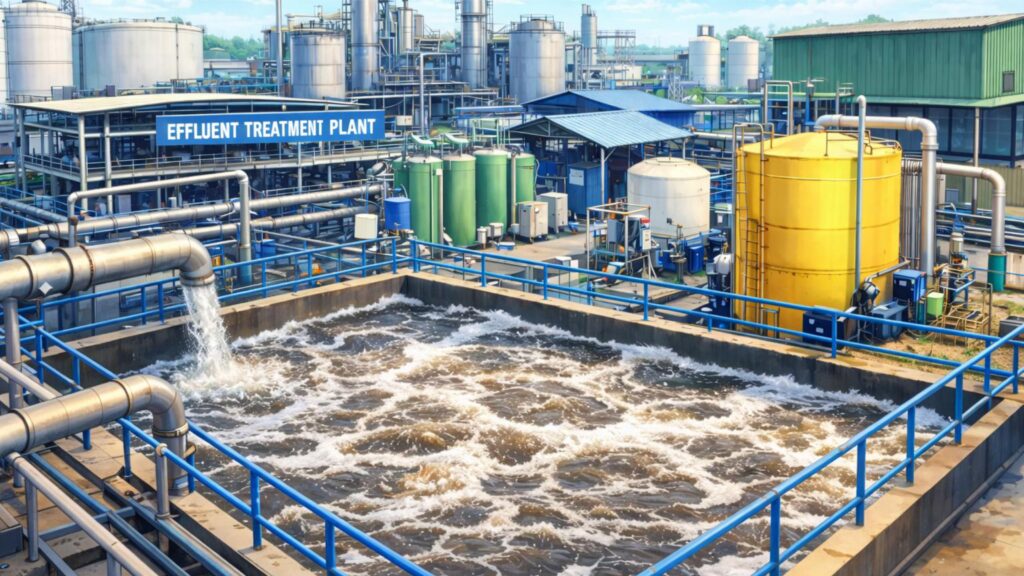
This SOP applies to wastewater generated from production areas, quality control laboratories, washing areas, utilities, equipment cleaning, housekeeping, and other process-related activities. Pharmaceutical effluent may contain chemicals, solvents, residues, detergents, suspended solids, organic load, pH variations, and microbial contaminants; therefore, proper treatment is essential to protect the environment.
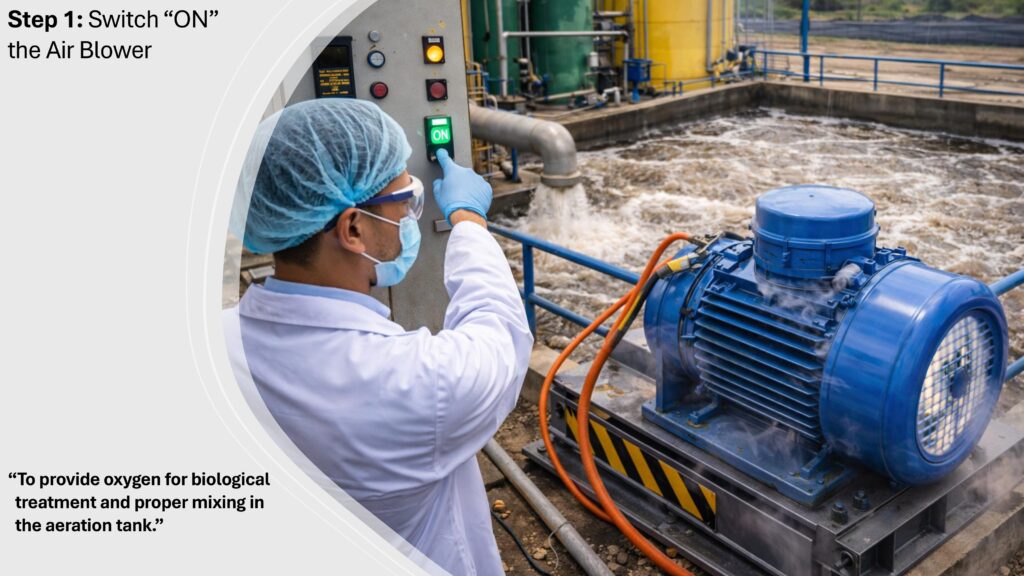
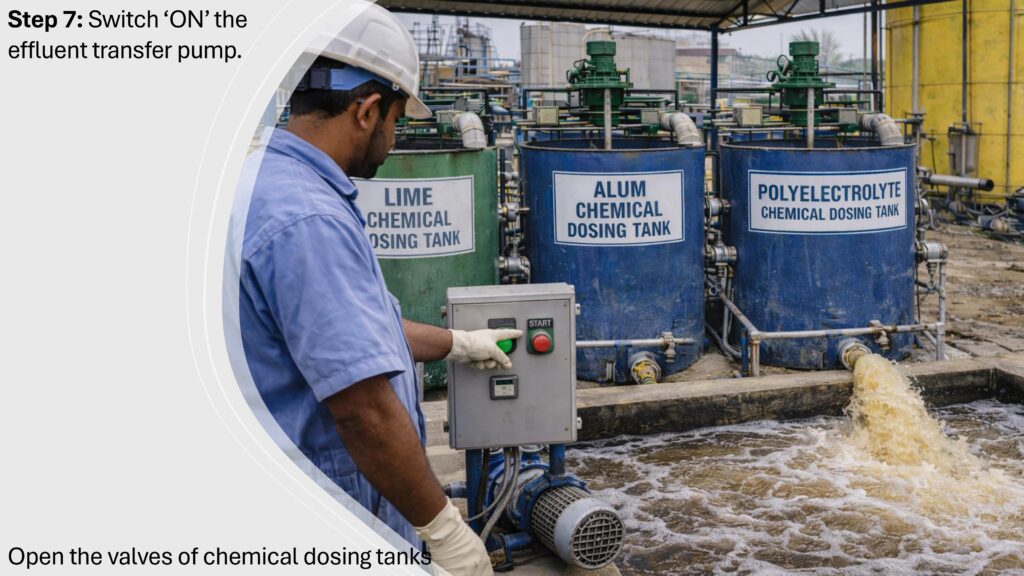
The responsibility for ETP operation lies with trained engineering or utility personnel. The Environment, Health and Safety department monitors compliance, while Quality Assurance may review records where GMP or site procedures require verification. Operators must wear suitable PPE such as gloves, mask, goggles, apron, and safety shoes before handling effluent or chemicals.
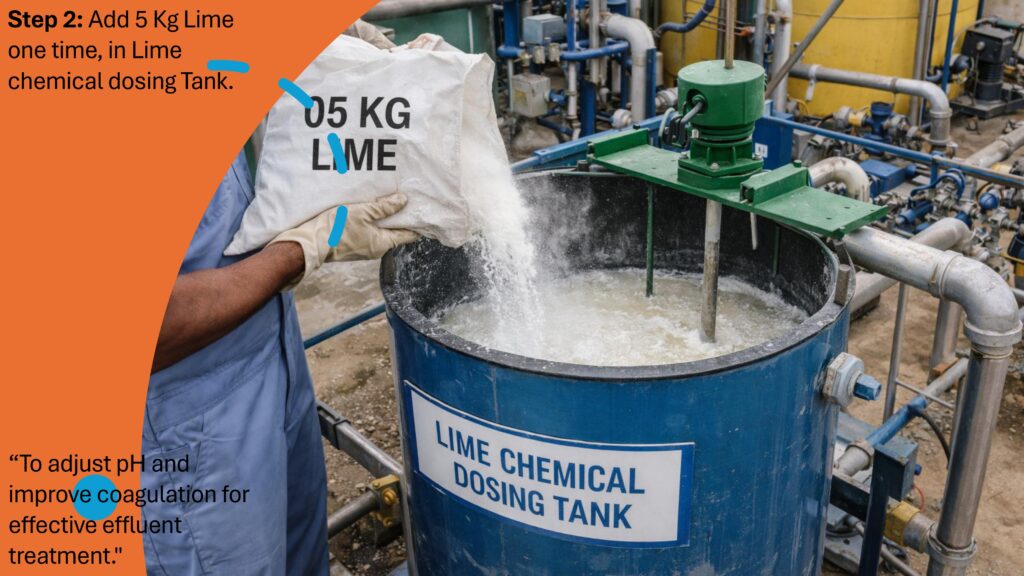
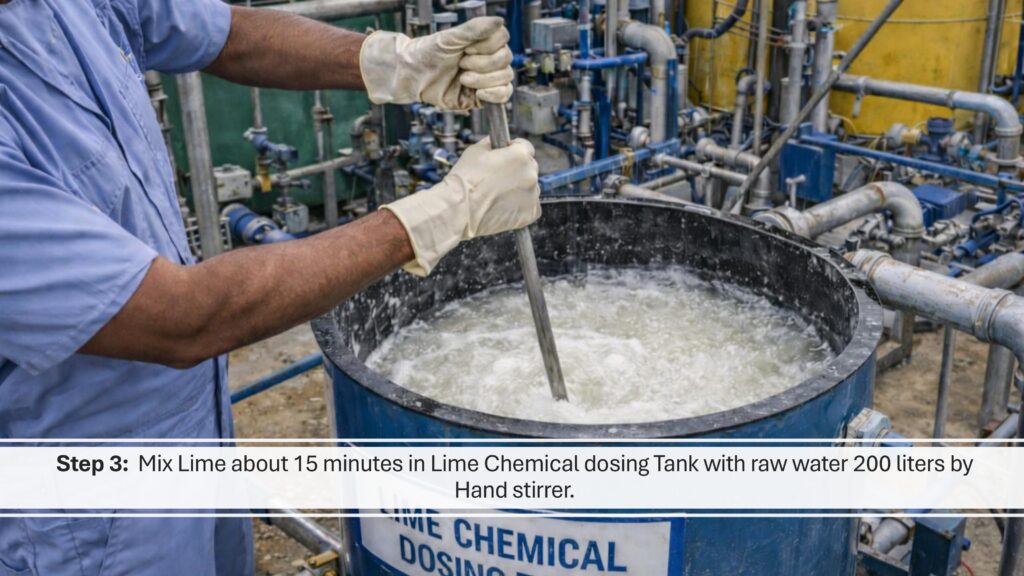
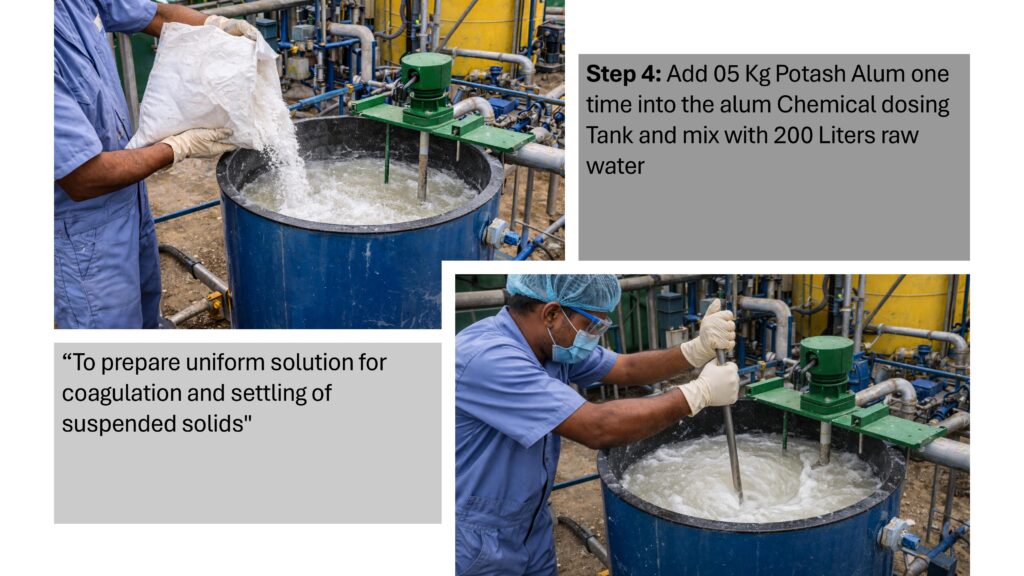
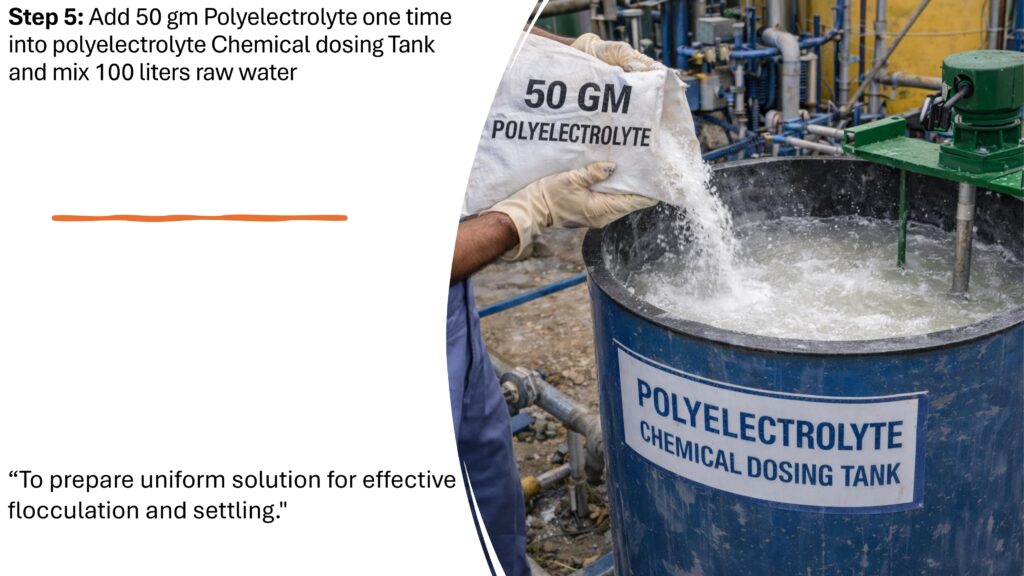
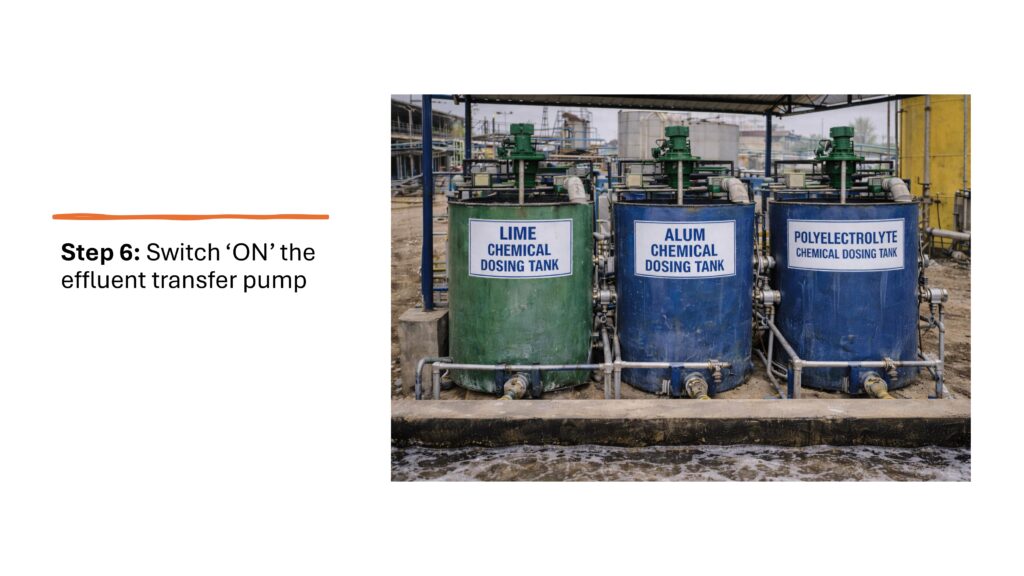
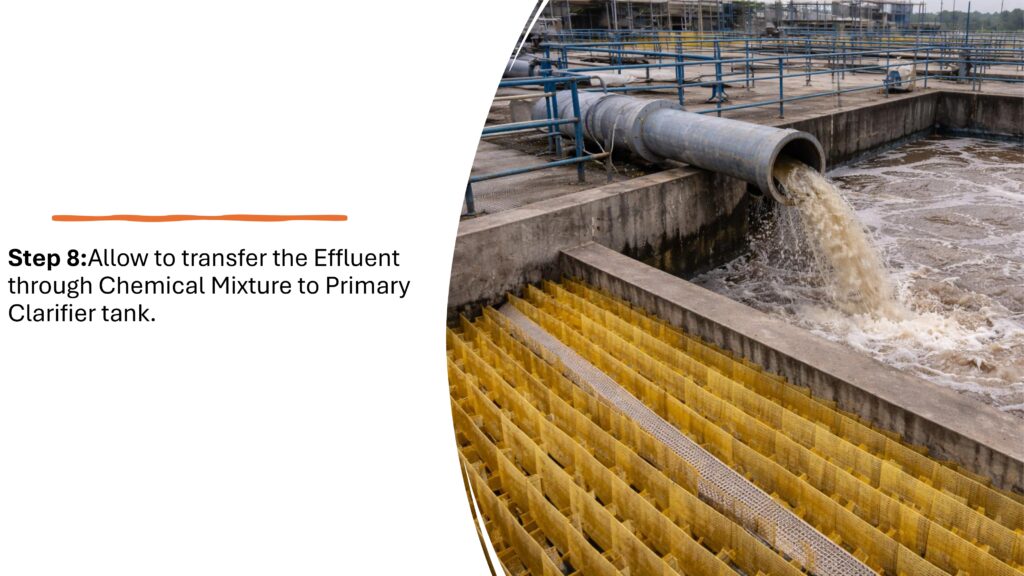
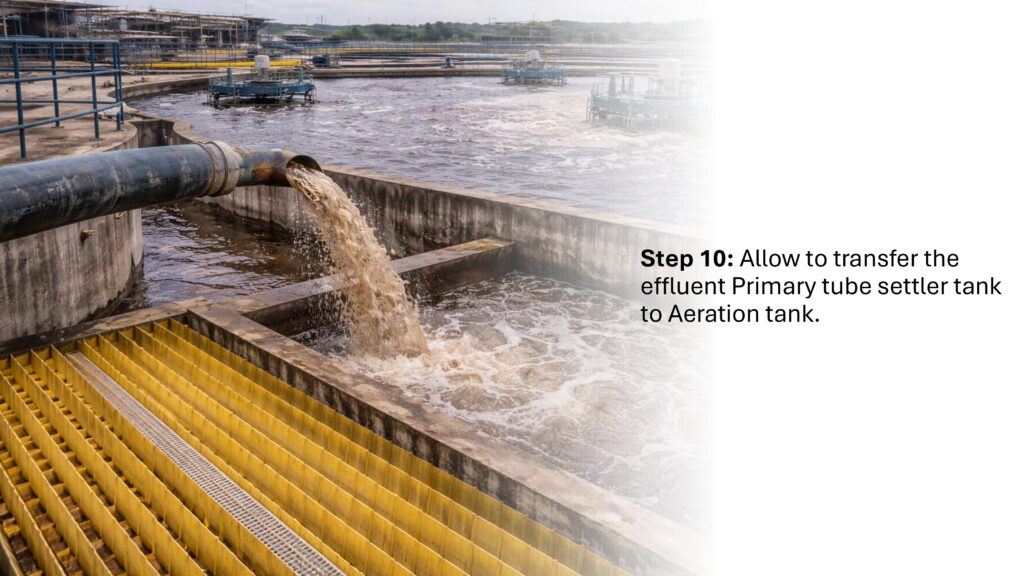
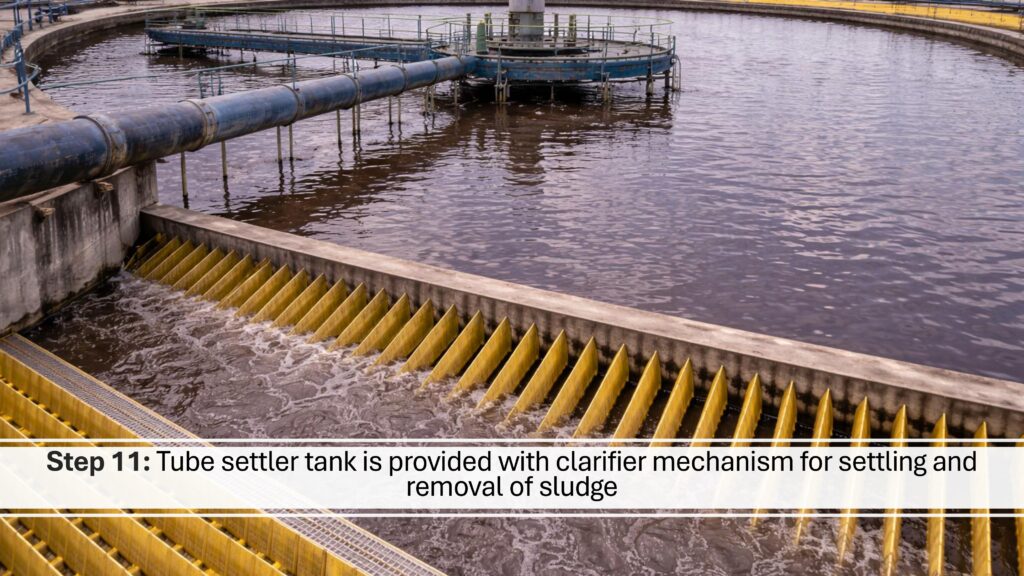
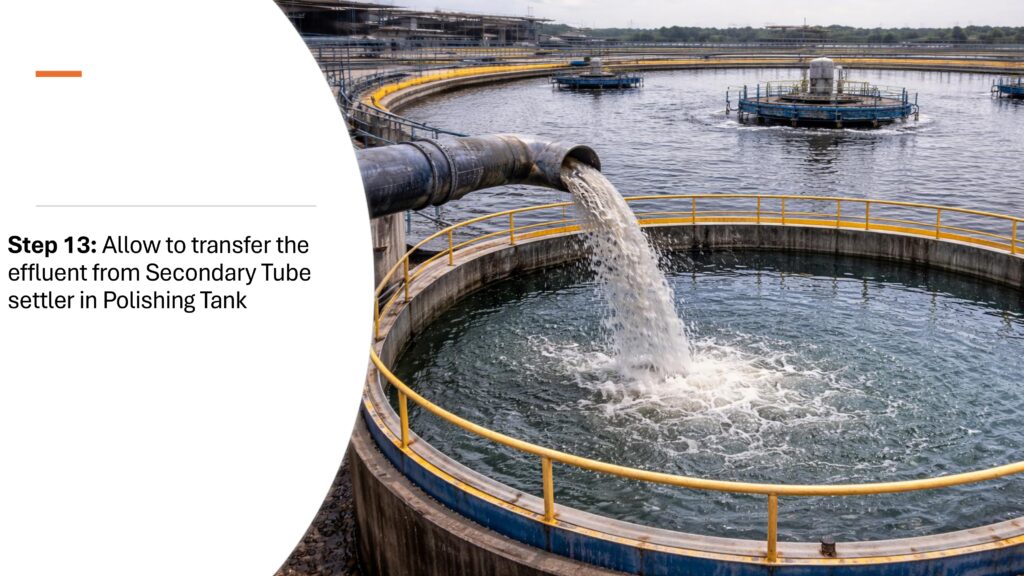
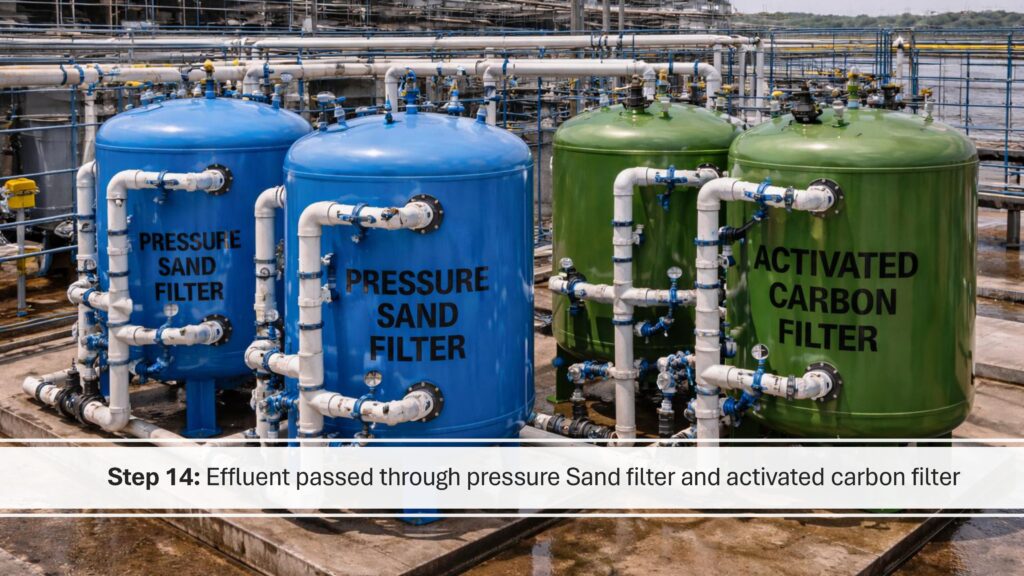
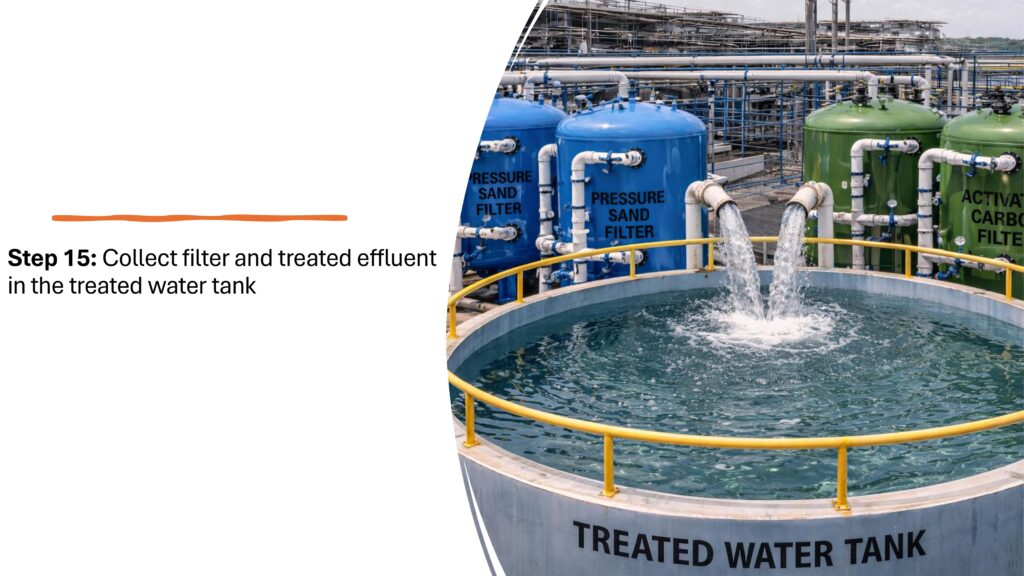
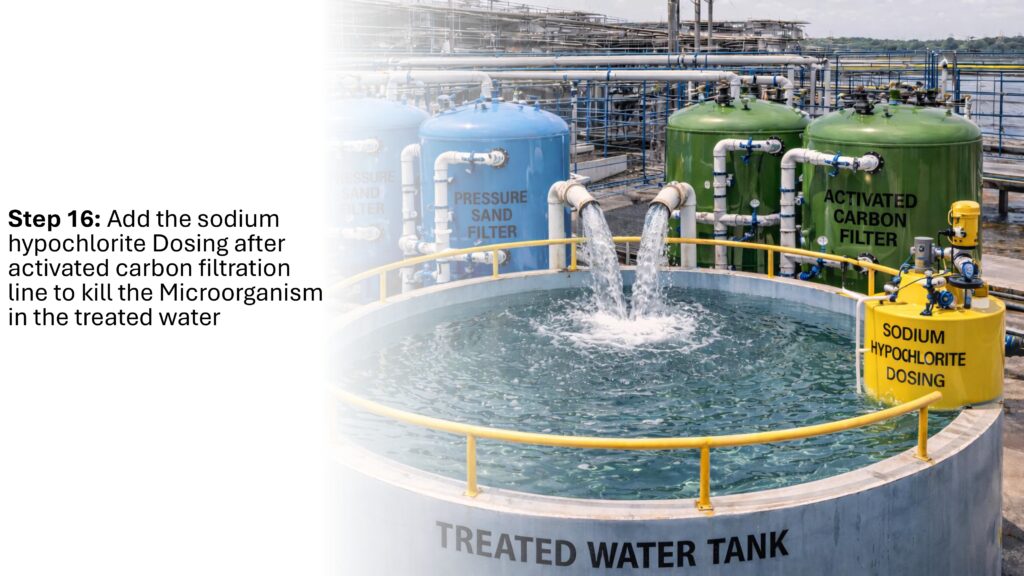
The procedure starts with collection of wastewater in the equalization tank. The effluent should be checked for flow, pH, color, odor, and abnormal contamination. Treatment may include screening, neutralization, coagulation, flocculation, aeration, biological treatment, settling, filtration, activated carbon treatment, and sludge handling, depending on the approved ETP design.
During operation, critical parameters such as pH, Chemical Oxygen Demand, Biological Oxygen Demand, Total Suspended Solids, Total Dissolved Solids, flow rate, dissolved oxygen, and sludge level should be monitored at defined frequency. Chemicals used for treatment must be handled carefully and stored in labeled containers.
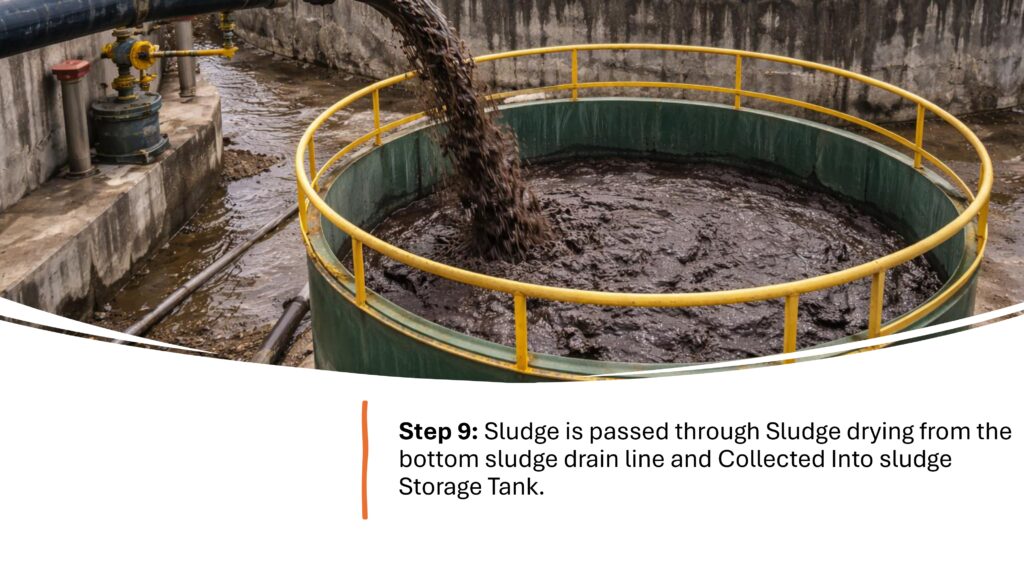
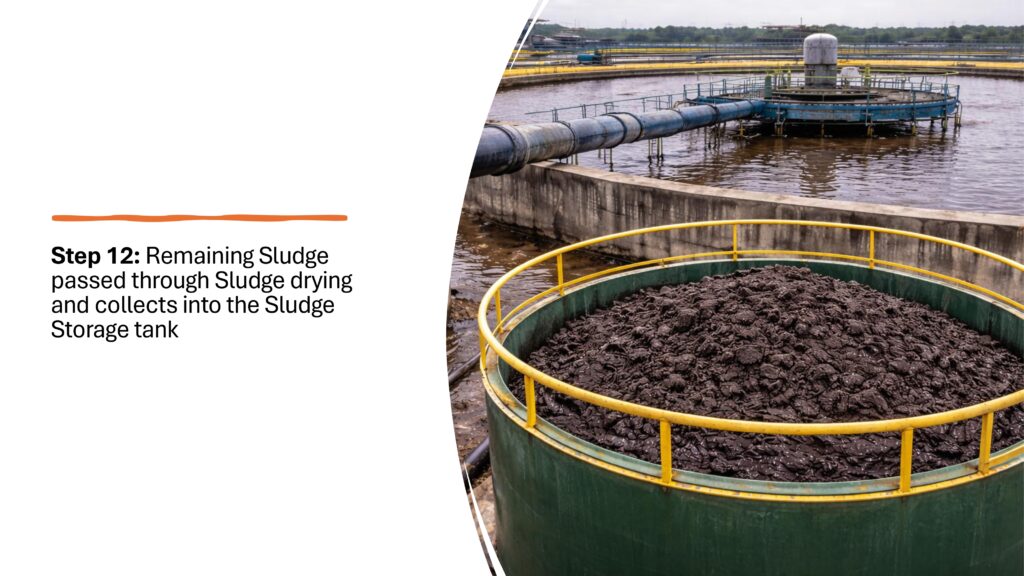
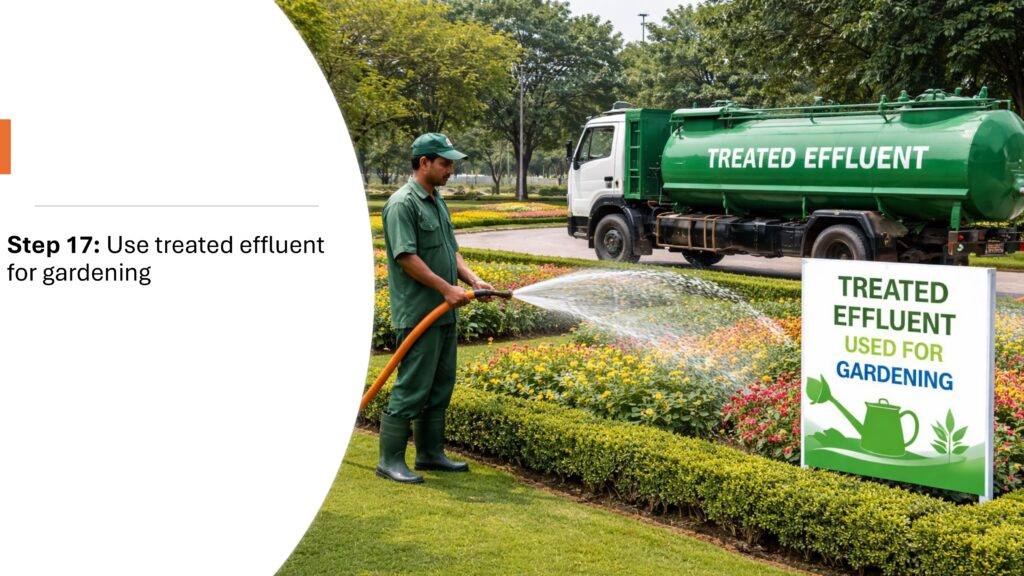
Treated water should be tested as per applicable standards before discharge or reuse. If results are out of limit, the effluent must not be released, and corrective action should be initiated immediately. Sludge generated from the ETP must be collected, stored, and disposed of through an authorized agency as per environmental regulations.
All ETP activities must be recorded in logbooks, including inlet readings, treatment steps, chemical consumption, test results, discharge details, maintenance, breakdowns, and corrective actions.
A well-implemented Effluent Treatment Plant SOP in pharma ensures wastewater control, environmental safety, regulatory compliance, and responsible pharmaceutical manufacturing.