




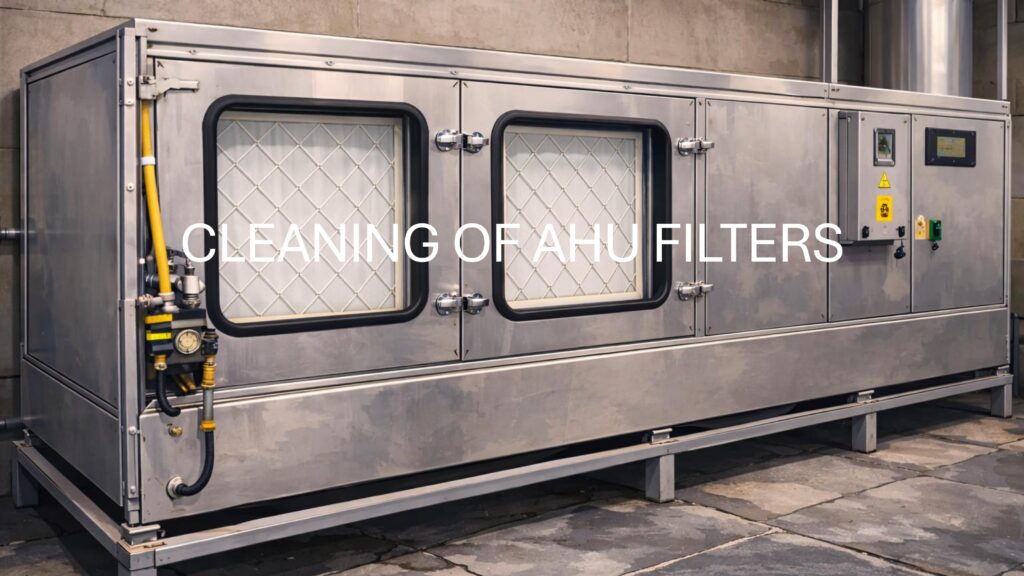
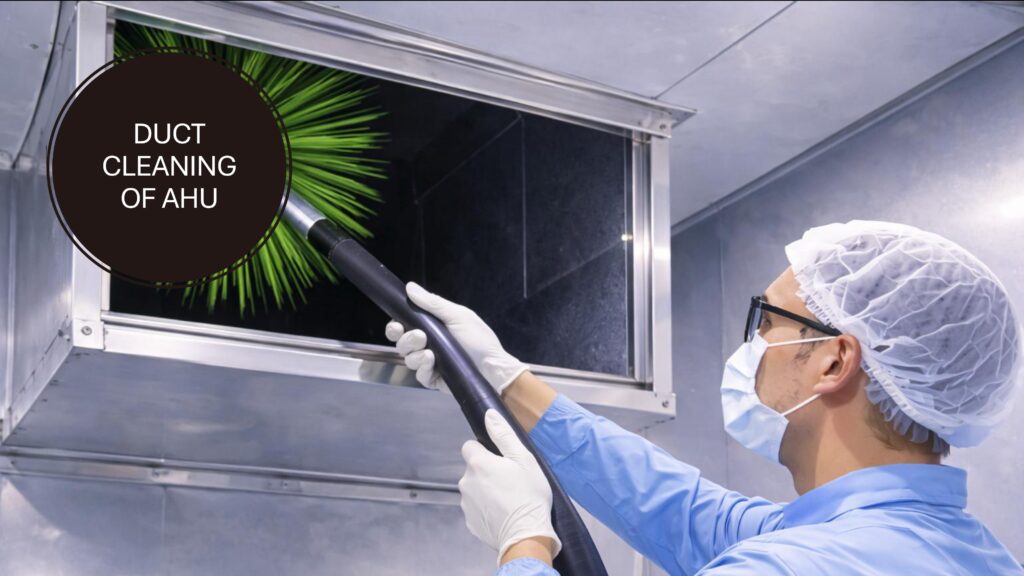
An SOP for filter cleaning in pharma defines the standard procedure for cleaning, inspection, drying, storage, and reuse of filters used in pharmaceutical manufacturing facilities. Filters are commonly used in air handling units, dust collectors, liquid filtration systems, process equipment, compressed air systems, and utility areas. Proper filter cleaning is essential to maintain product quality, contamination control, equipment efficiency, and GMP compliance.
The purpose of this SOP is to ensure that filters are cleaned at defined intervals using approved methods without causing damage, blockage, or contamination. This SOP applies to pre-filters, return air filters, dust collector filters, process filters, and other reusable filters used in production, packing, warehouse, engineering, and utility areas.
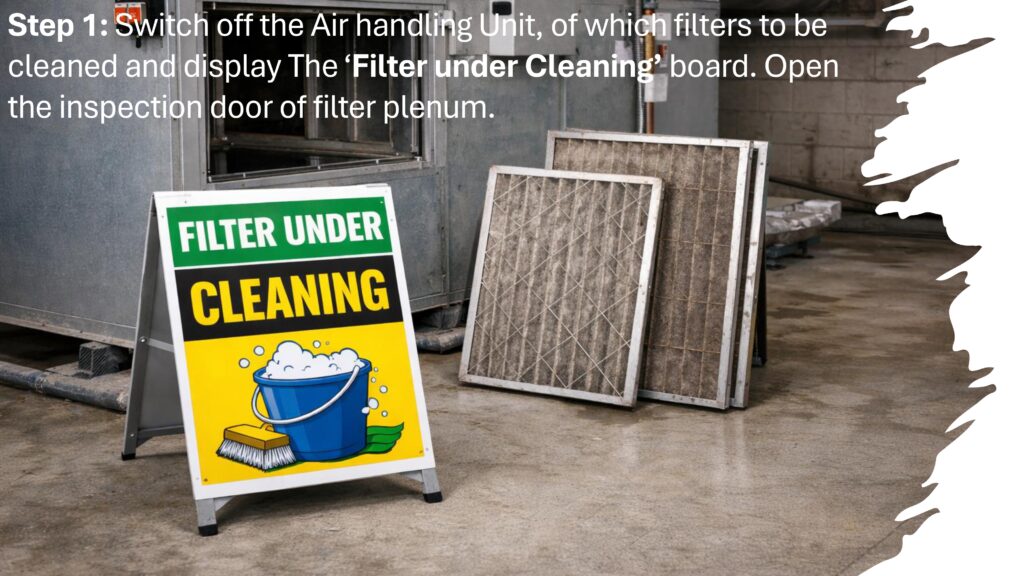
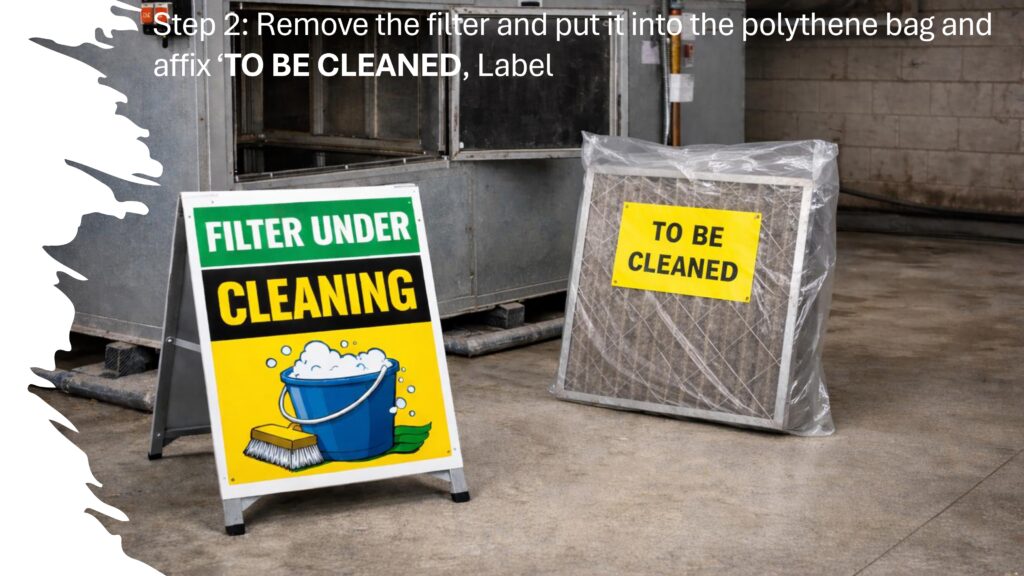
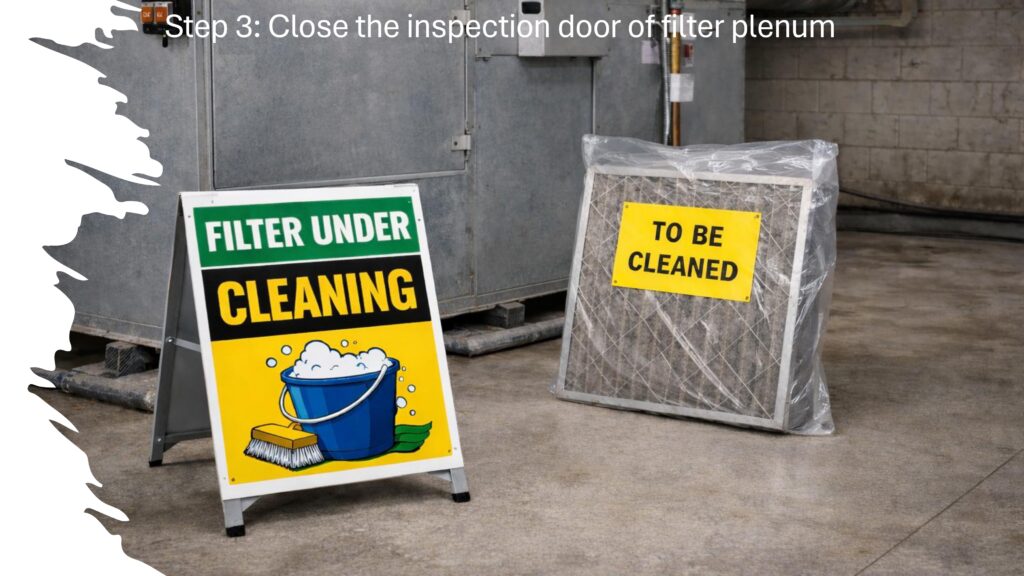
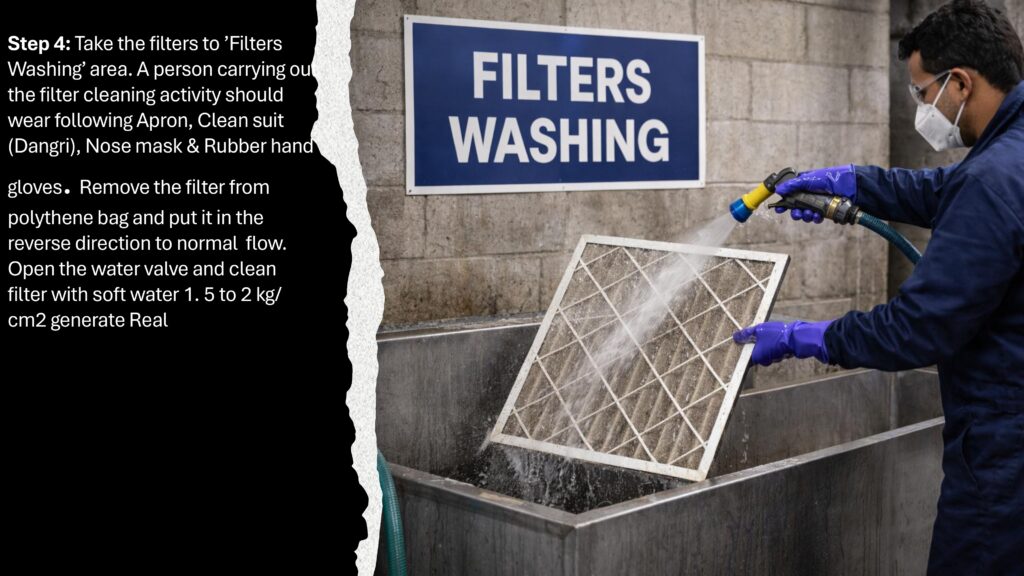
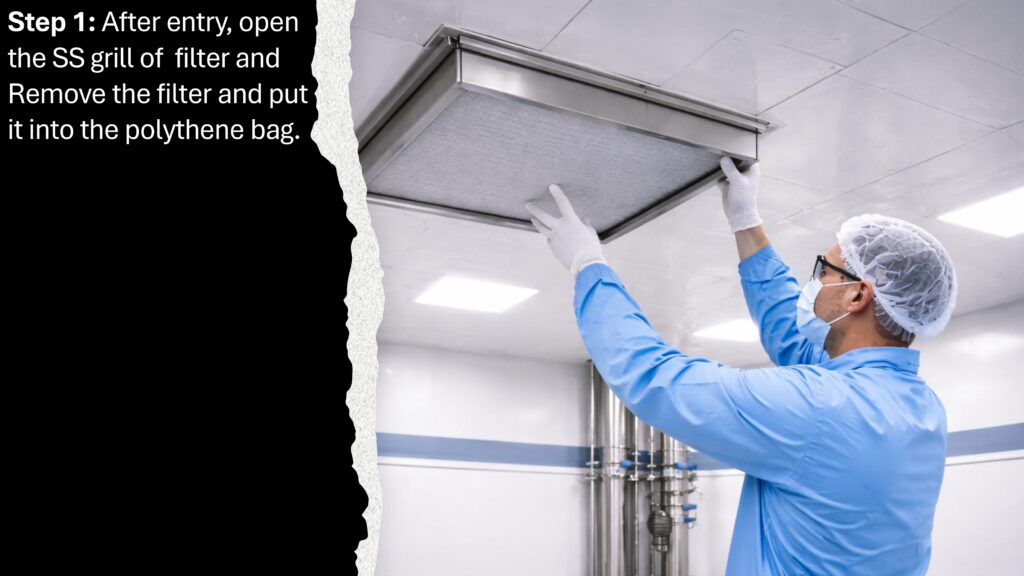
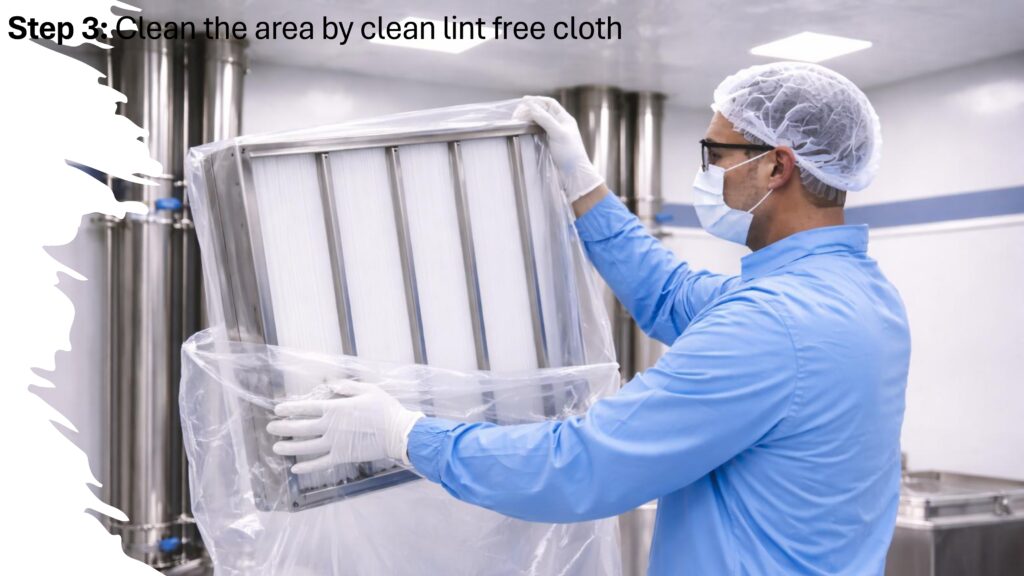
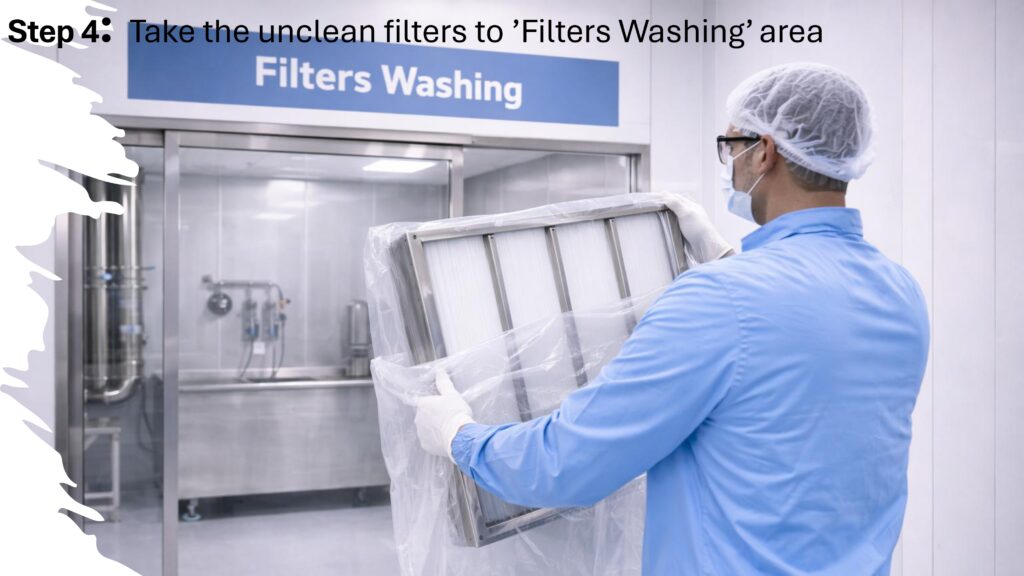
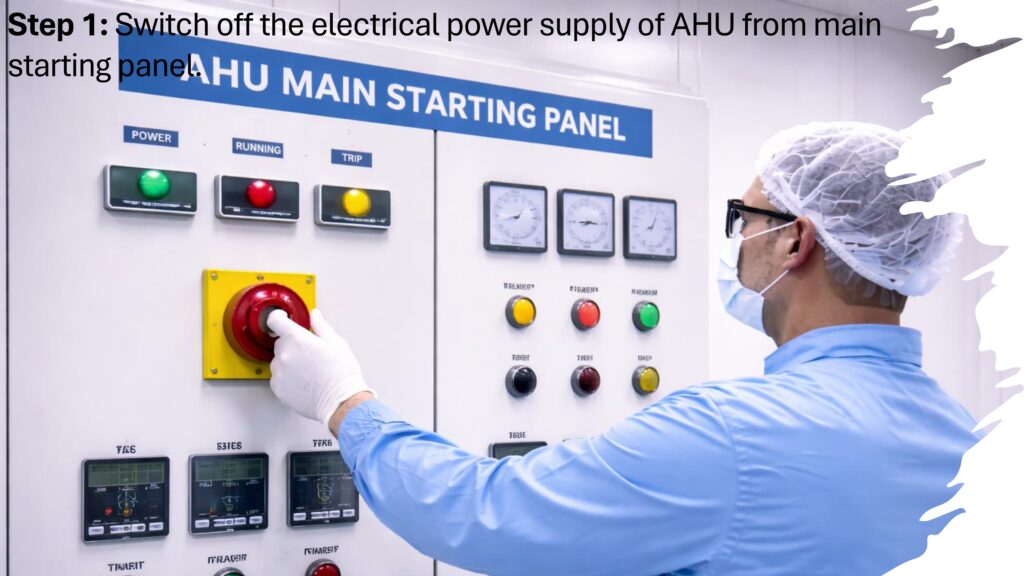
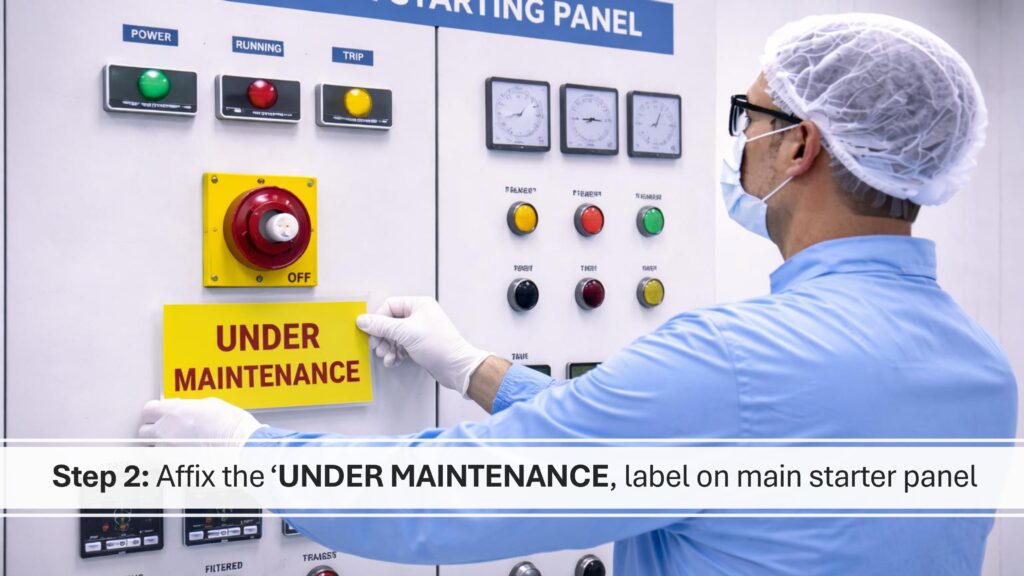
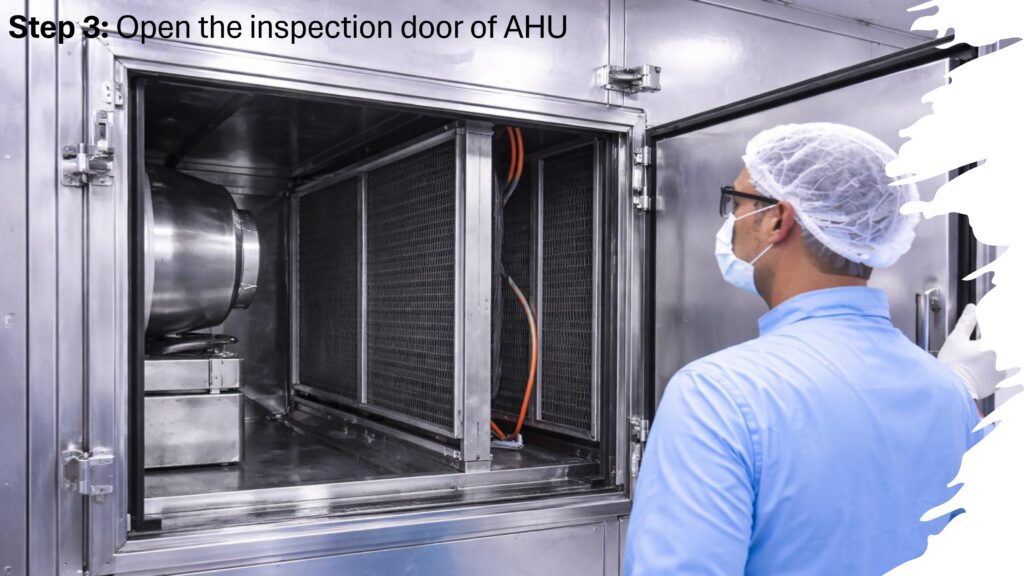
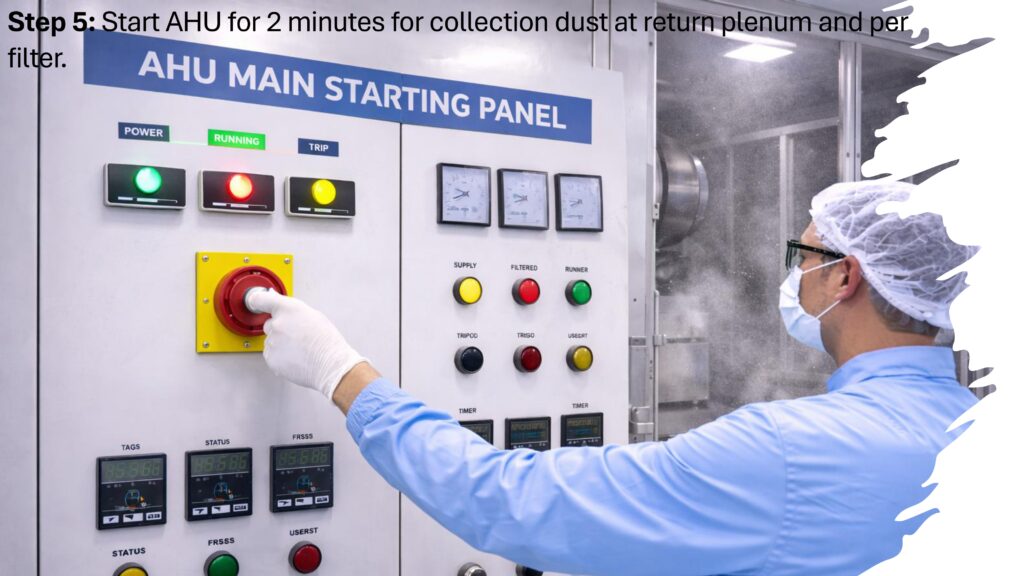
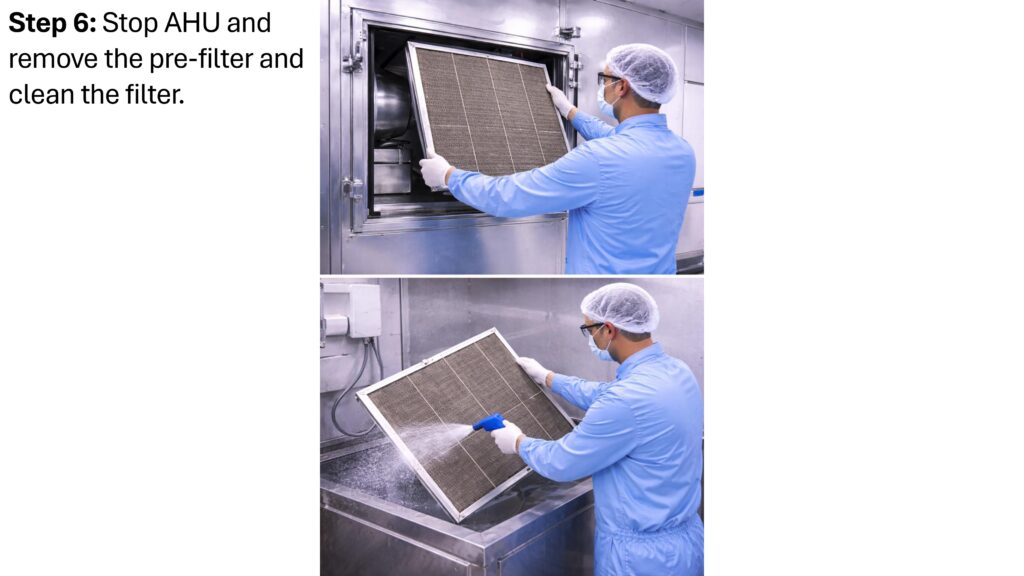
Before starting filter cleaning, authorized personnel should wear required PPE such as gloves, mask, goggles, apron, and safety shoes. The equipment or system must be switched off, isolated, and labeled if required. The filter should be carefully removed and identified with equipment name, filter number, area, and date of removal.
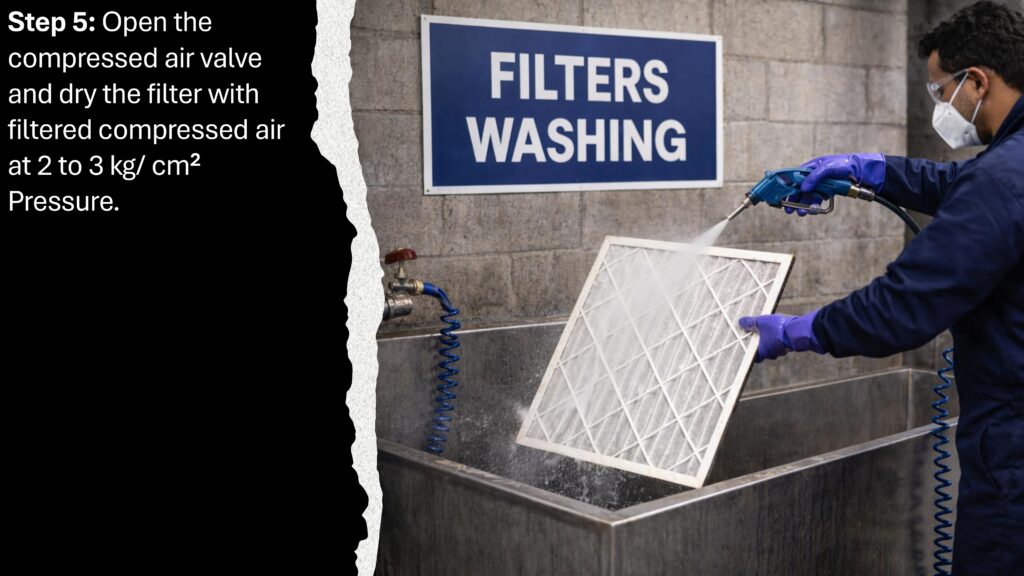
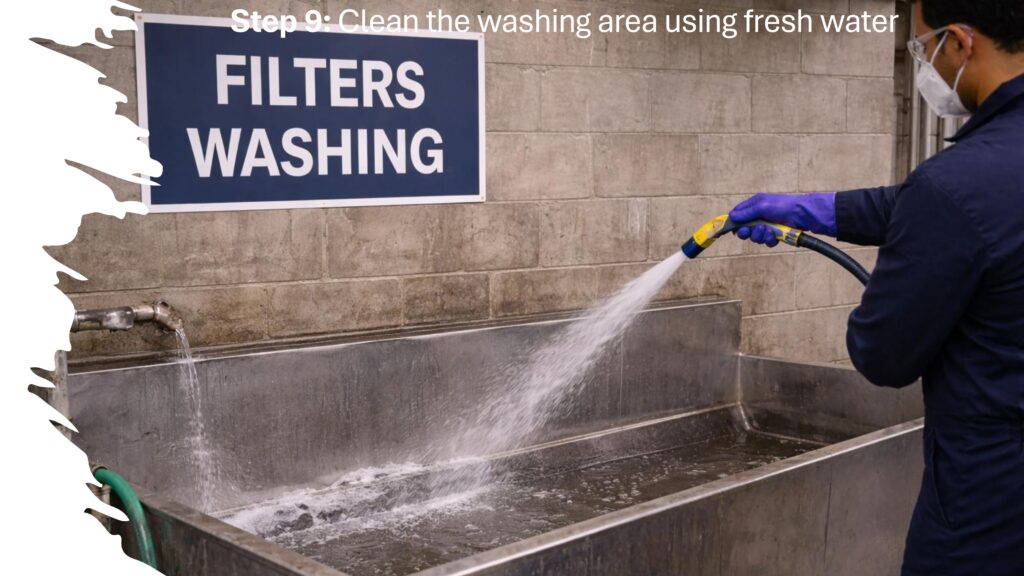
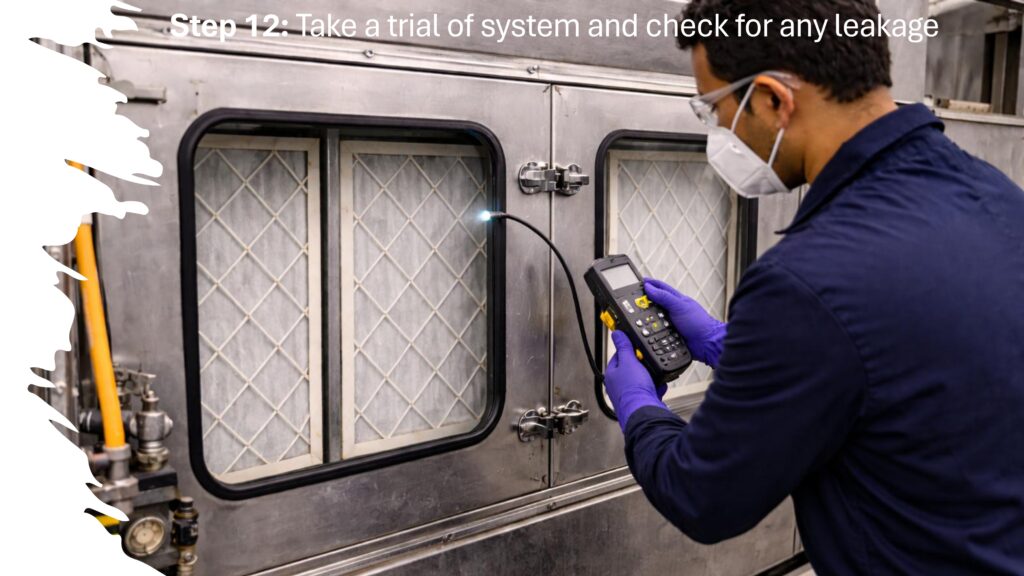
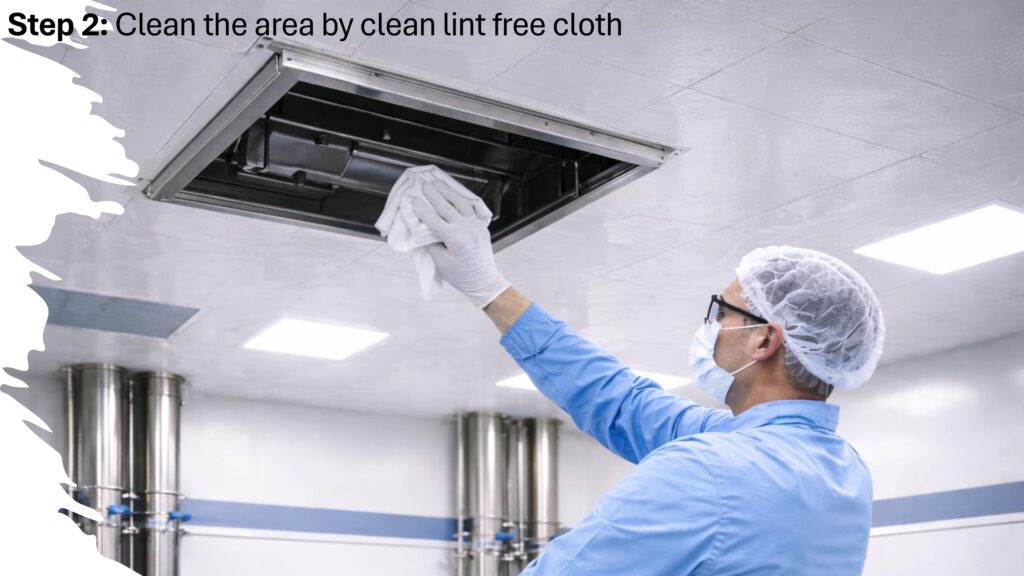
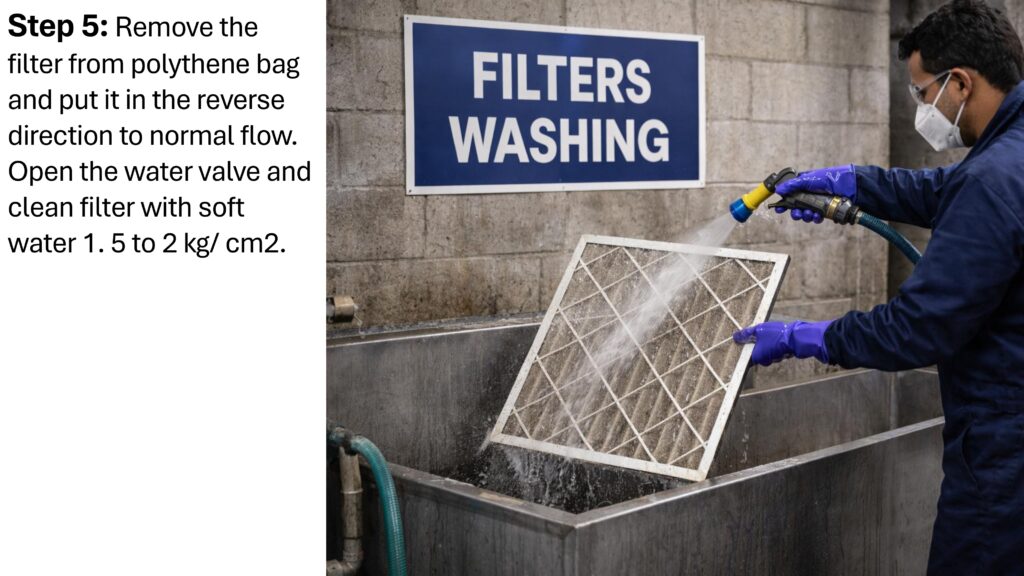
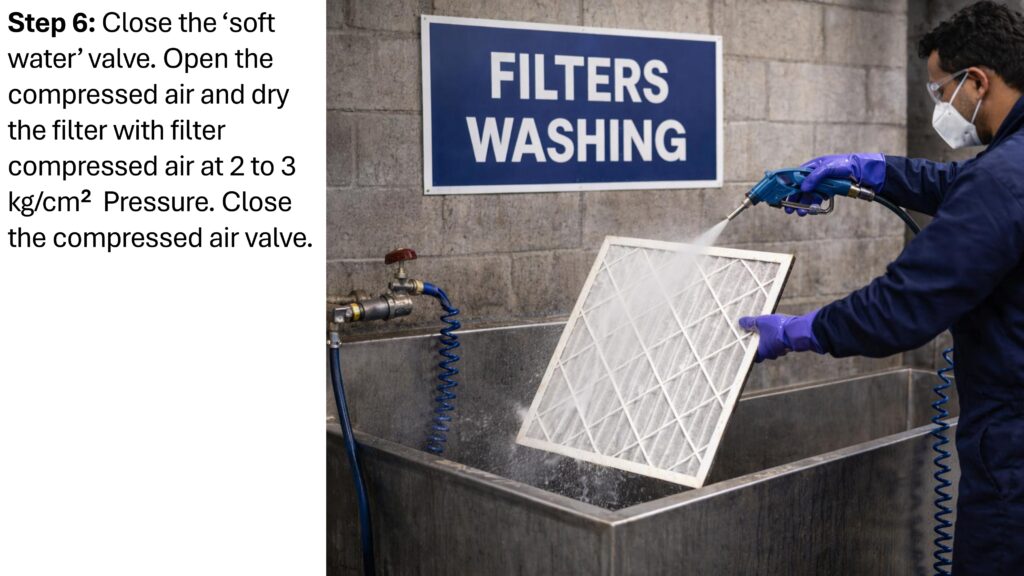
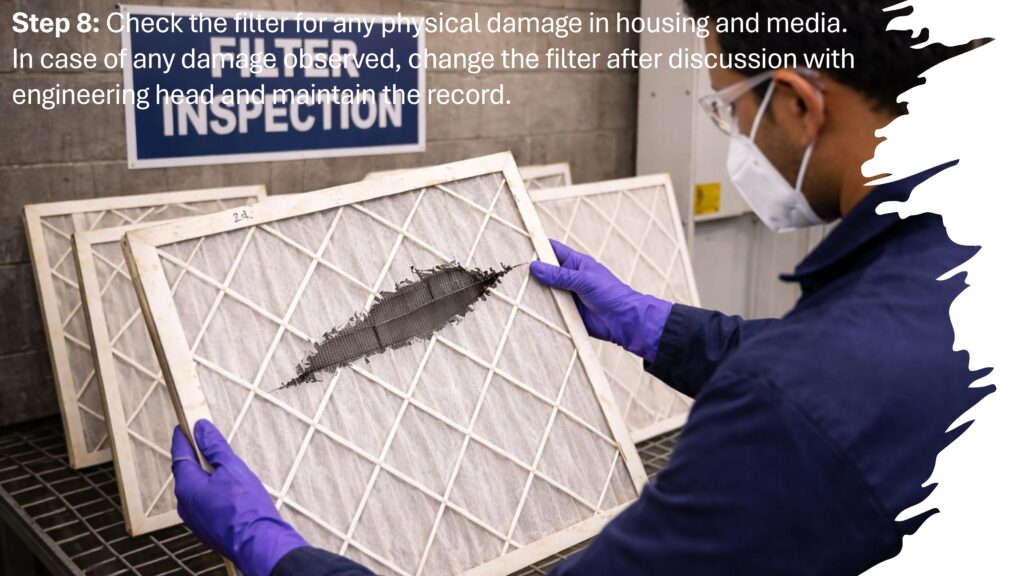
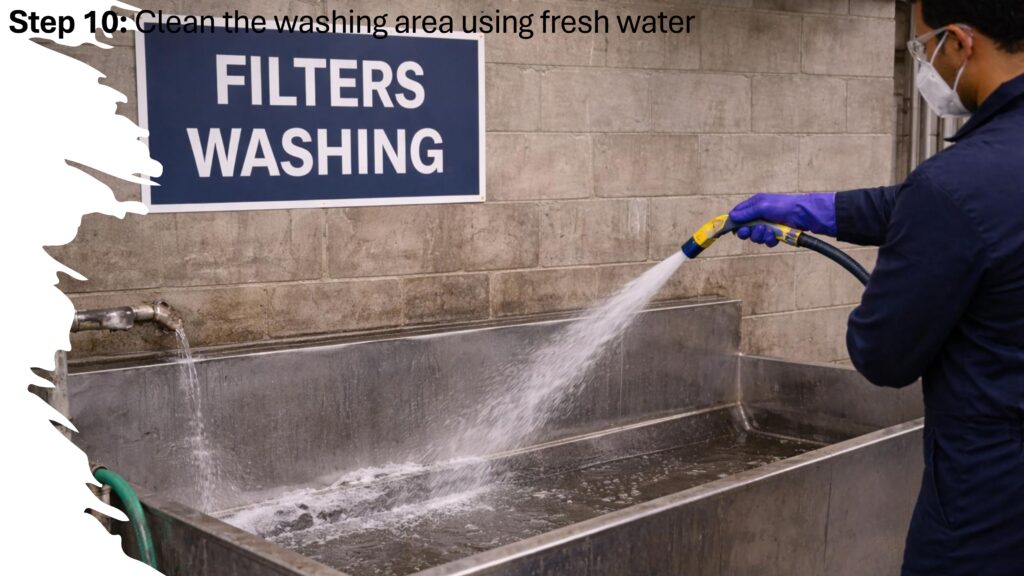
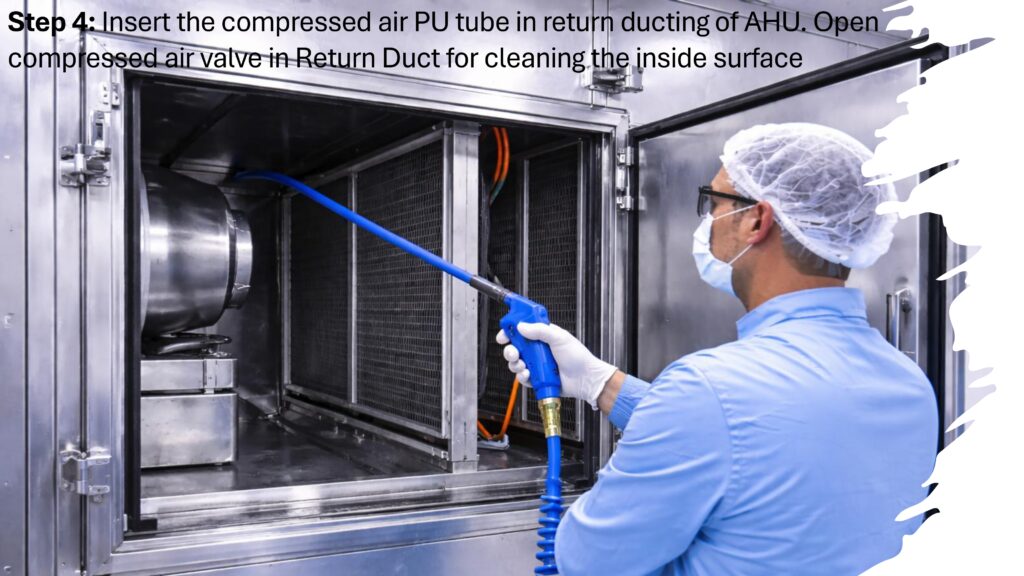
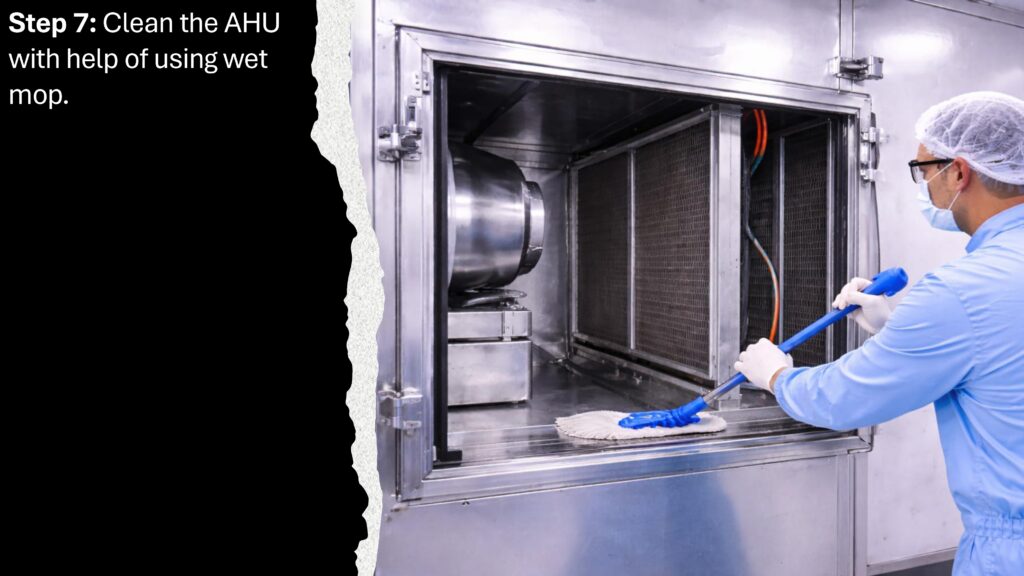
The cleaning process should begin with visual inspection for dust load, damage, tear, blockage, rust, oil stains, or abnormal odor. Loose dust should be removed by gentle tapping, vacuum cleaning, or compressed air blowing as per approved procedure. If wet cleaning is permitted, the filter should be washed with clean water or approved detergent solution and rinsed properly to remove residue.
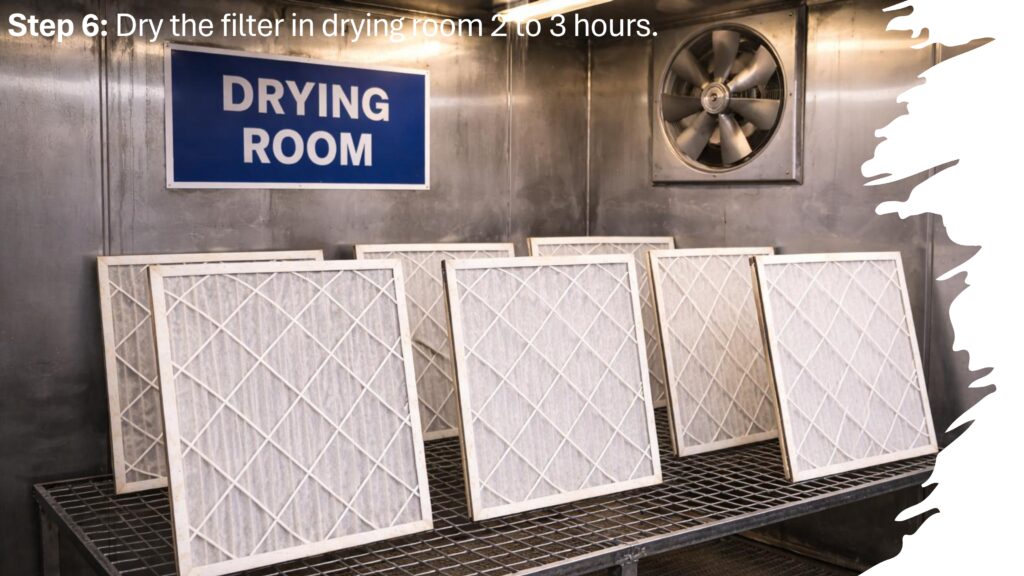
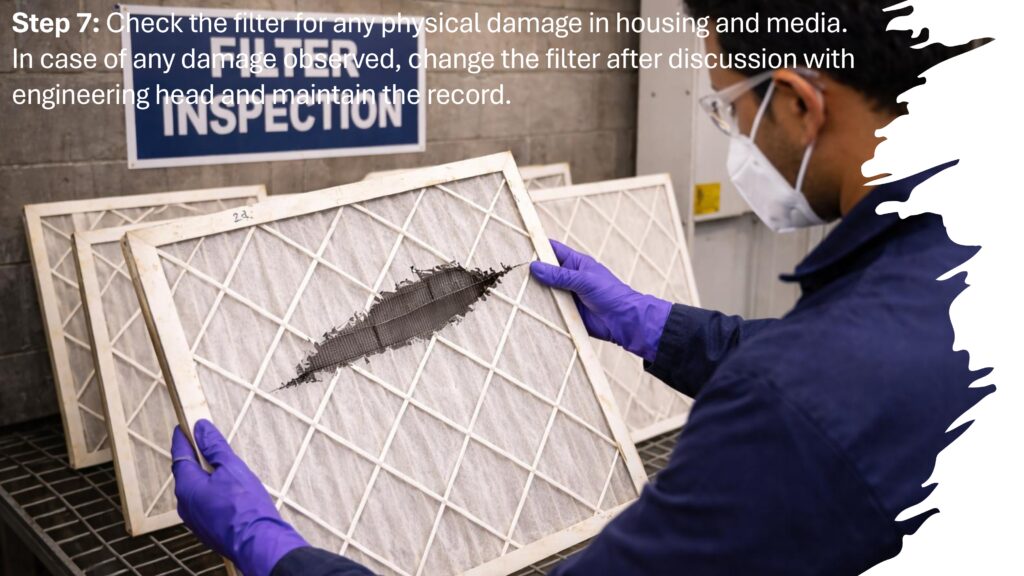
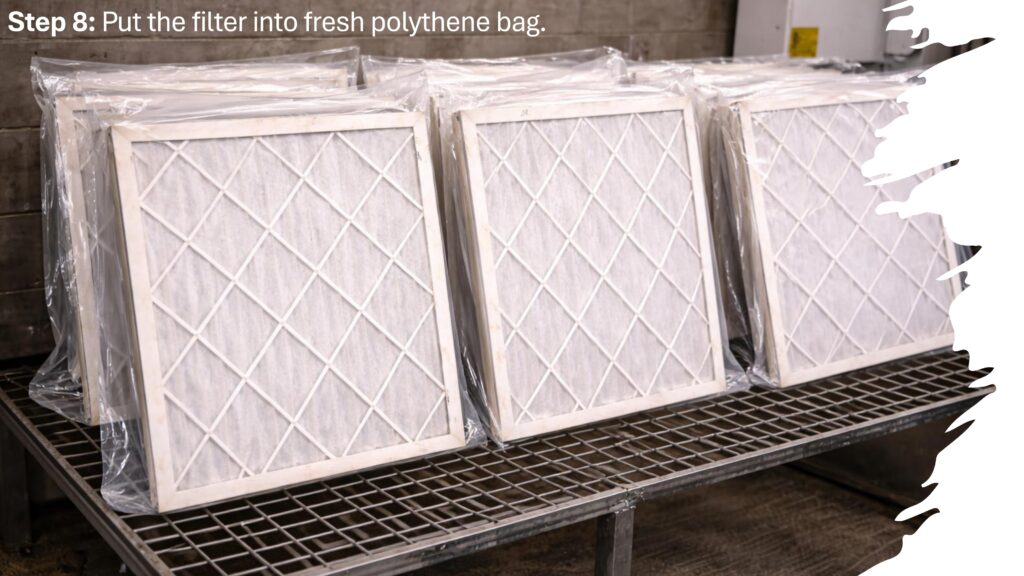
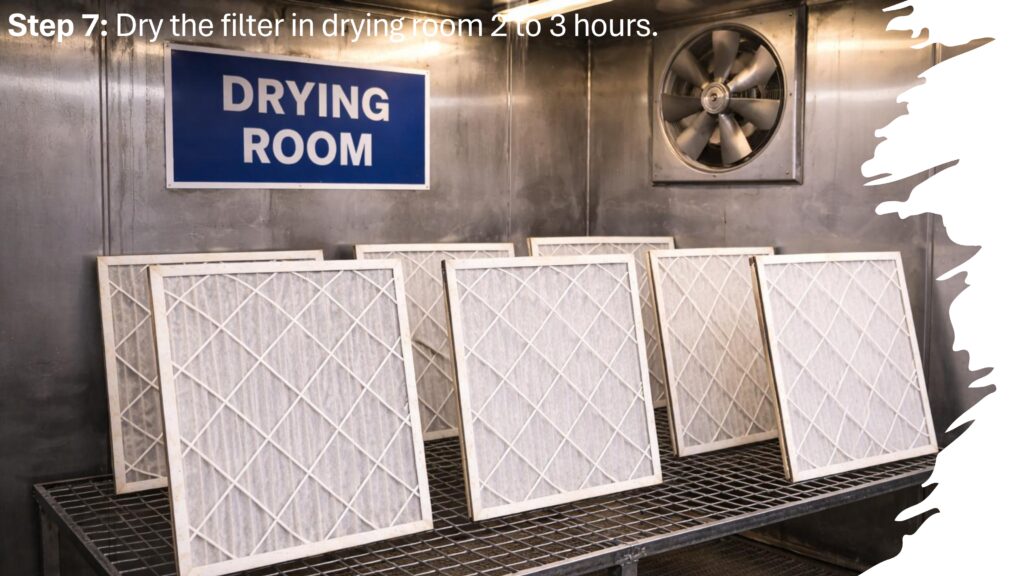
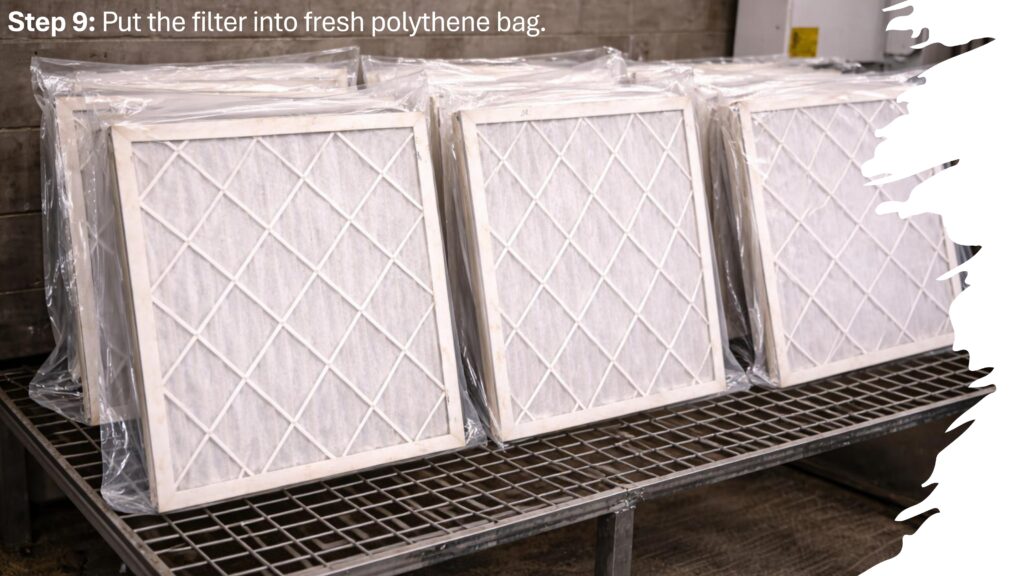
After cleaning, the filter must be dried completely in a clean and designated area. Wet or partially dried filters should not be installed, as they may support microbial growth or affect airflow. Cleaned filters should be inspected for integrity before reuse. Damaged or ineffective filters must be rejected and replaced.
The cleaning frequency should be defined based on area classification, usage, dust load, pressure differential, and preventive maintenance schedule. Records must include filter ID, equipment name, cleaning date, method used, inspection results, cleaned by, checked by, and remarks.
A well-implemented filter cleaning SOP in pharma supports airflow control, contamination prevention, equipment performance, regulatory compliance, and safe pharmaceutical manufacturing operations.