







Typical Tests During Purified Water Performance Qualificaion
Purified Water Performance Qualification (PQ) testing is a critical activity performed to verify that a pharmaceutical purified water system consistently produces water meeting predefined quality specifications during routine operation. PQ testing demonstrates the reliability, reproducibility, and compliance of the purified water generation, storage, and distribution system according to GMP and pharmacopoeial requirements.
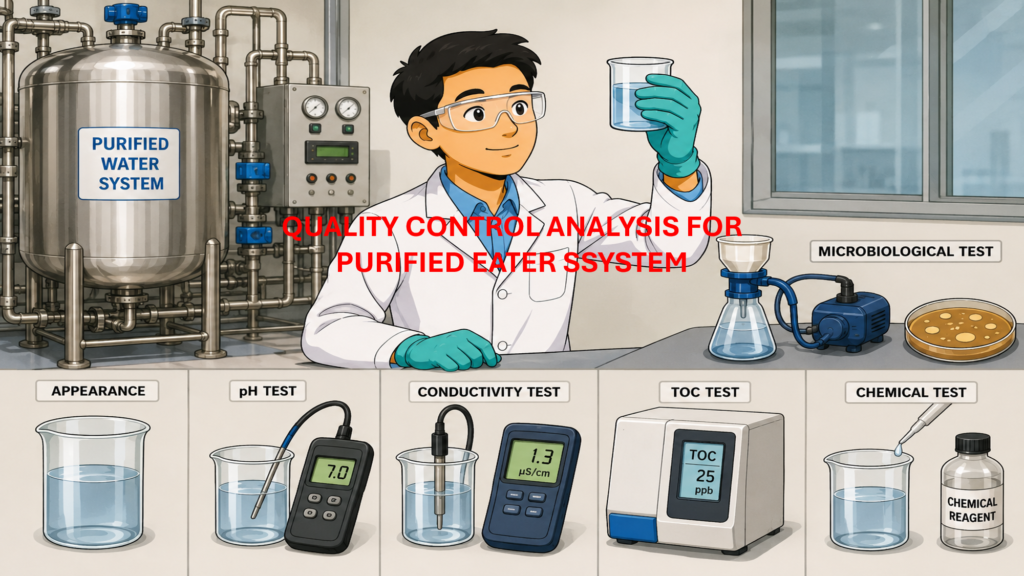
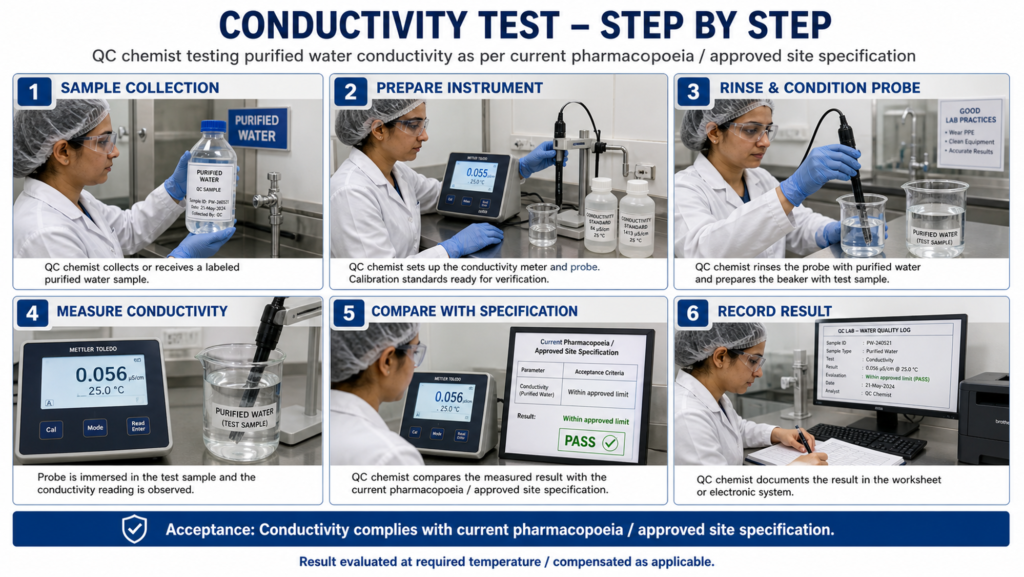
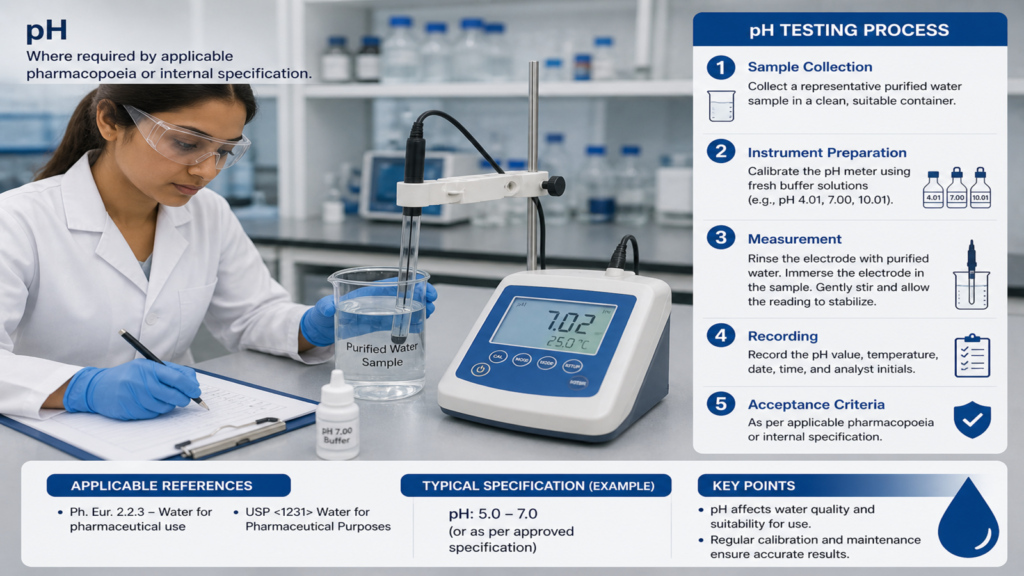
Several important tests are routinely conducted during purified water PQ to ensure chemical, physical, and microbiological quality. One of the primary tests is the pH test, which confirms that the water remains within the acceptable pH range and does not indicate contamination or system imbalance. Conductivity testing is another essential parameter used to measure ionic impurities dissolved in water. Low conductivity indicates high purity and effective removal of salts and inorganic contaminants.
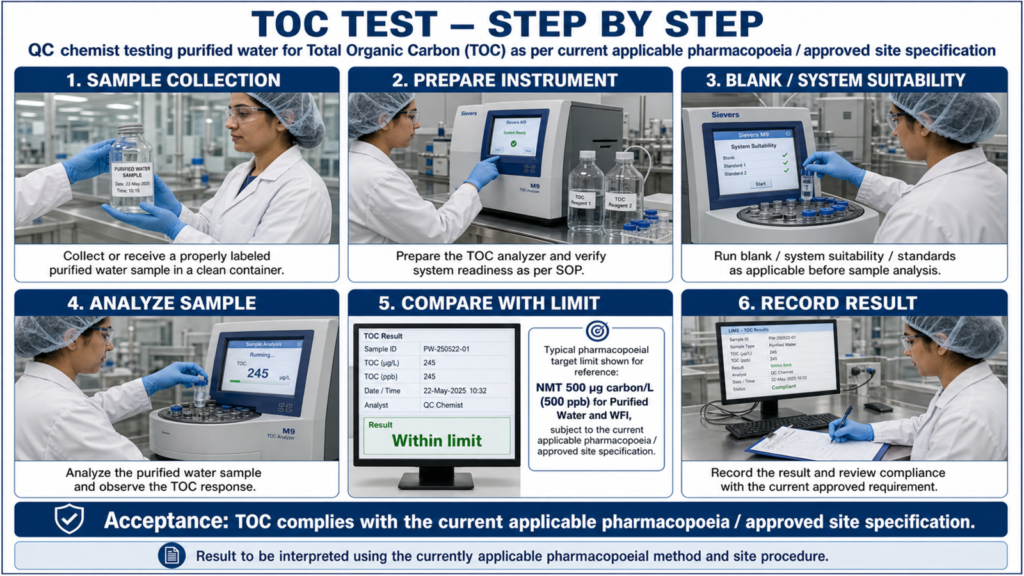
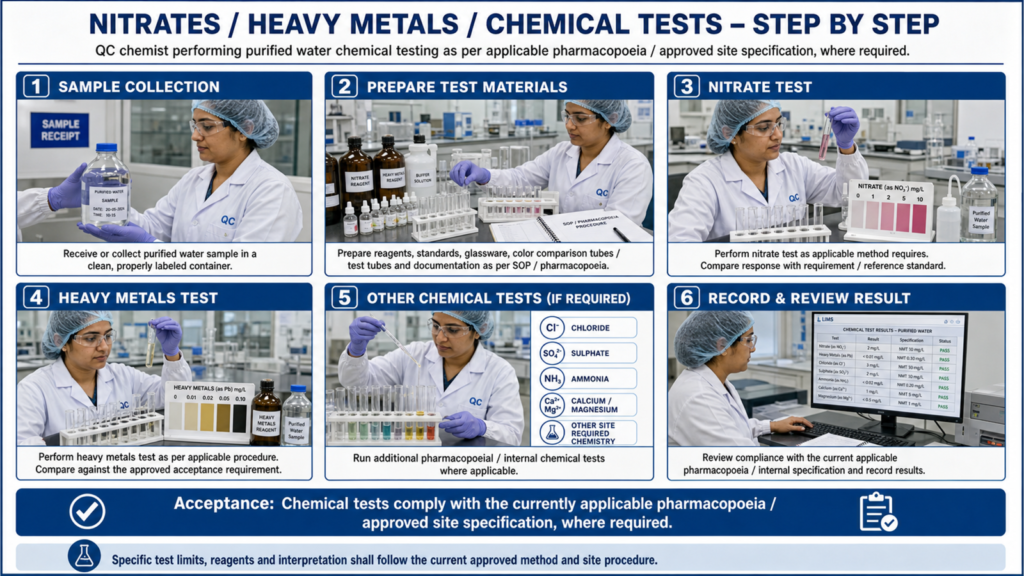
Total Organic Carbon (TOC) testing is performed to detect organic contamination in the purified water system. TOC analysis helps verify that the water is free from excessive organic compounds, cleaning agent residues, or microbial by-products that may affect pharmaceutical product quality. Chemical analysis is also conducted to identify specific impurities such as chlorides, nitrates, sulfates, heavy metals, and hardness-causing substances. These tests ensure compliance with pharmacopeial specifications and protect product safety.
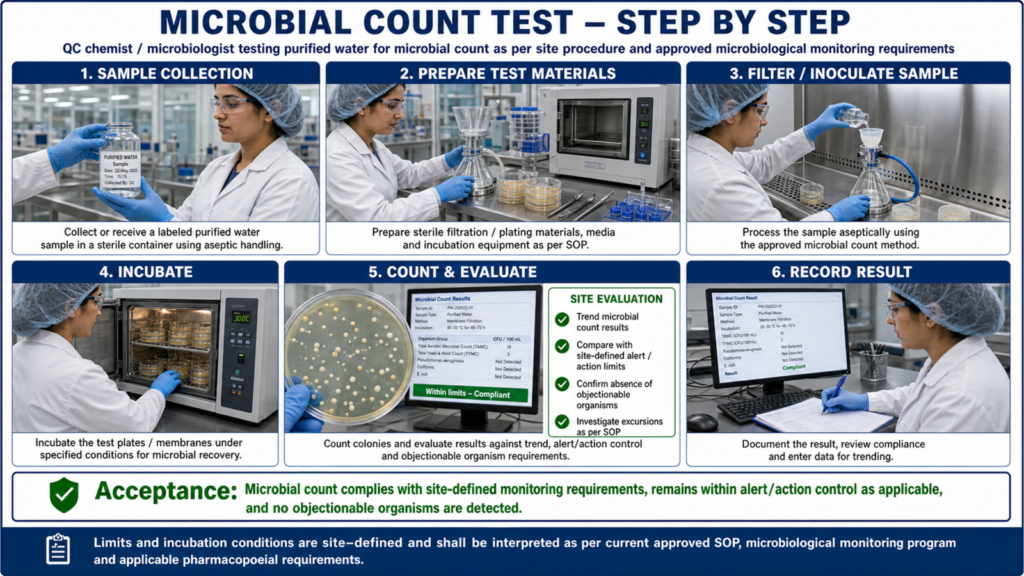
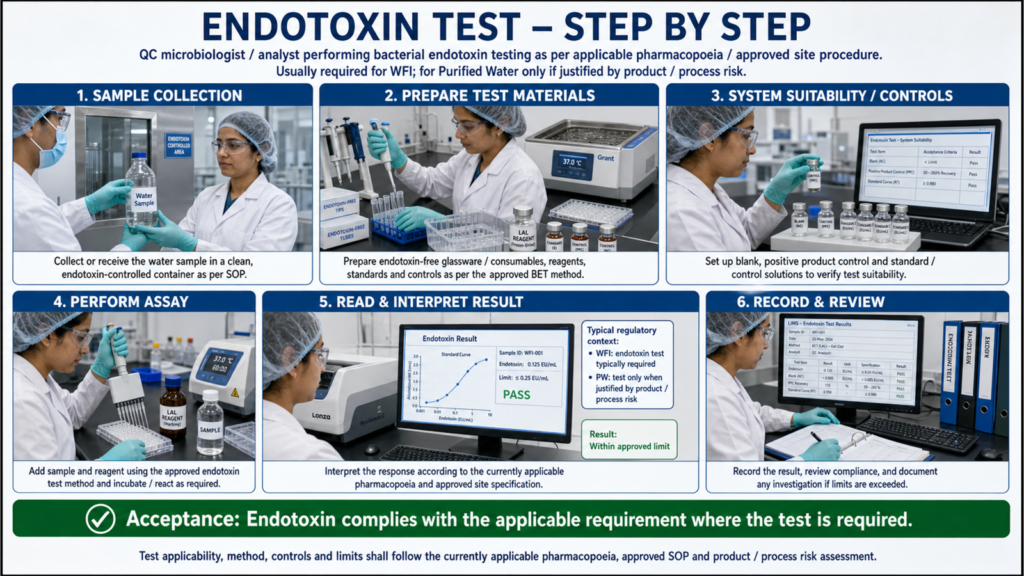
Microbiological testing is one of the most critical PQ activities. Water samples are collected from generation points, storage tanks, and user points to evaluate microbial load. Tests include total microbial count, presence of objectionable organisms, and endotoxin monitoring when applicable. Consistent microbiological control confirms effective sanitization and hygienic system design.
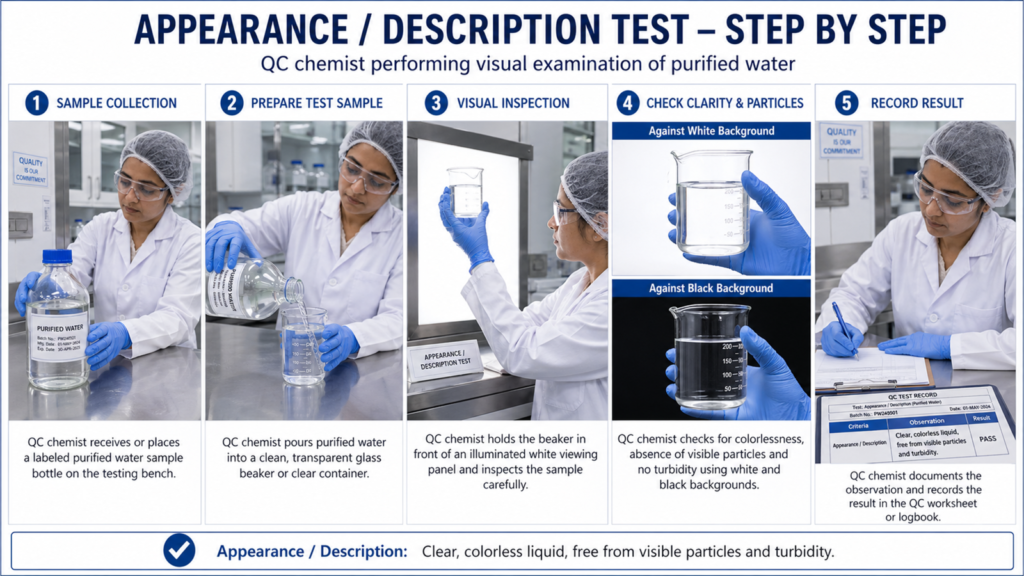
Additional PQ evaluations may include appearance testing, temperature monitoring, pressure checks, flow verification, and sampling point qualification. Trend analysis of collected data over different operational phases helps establish alert and action limits for routine monitoring.
Successful completion of purified water PQ provides documented evidence that the system operates effectively under normal production conditions and consistently delivers water suitable for pharmaceutical manufacturing processes, cleaning activities, and laboratory applications.